Editor’s note: Angela Palma is a contributing writer for the Daily. Palma was not involved in the writing or editing of this article.
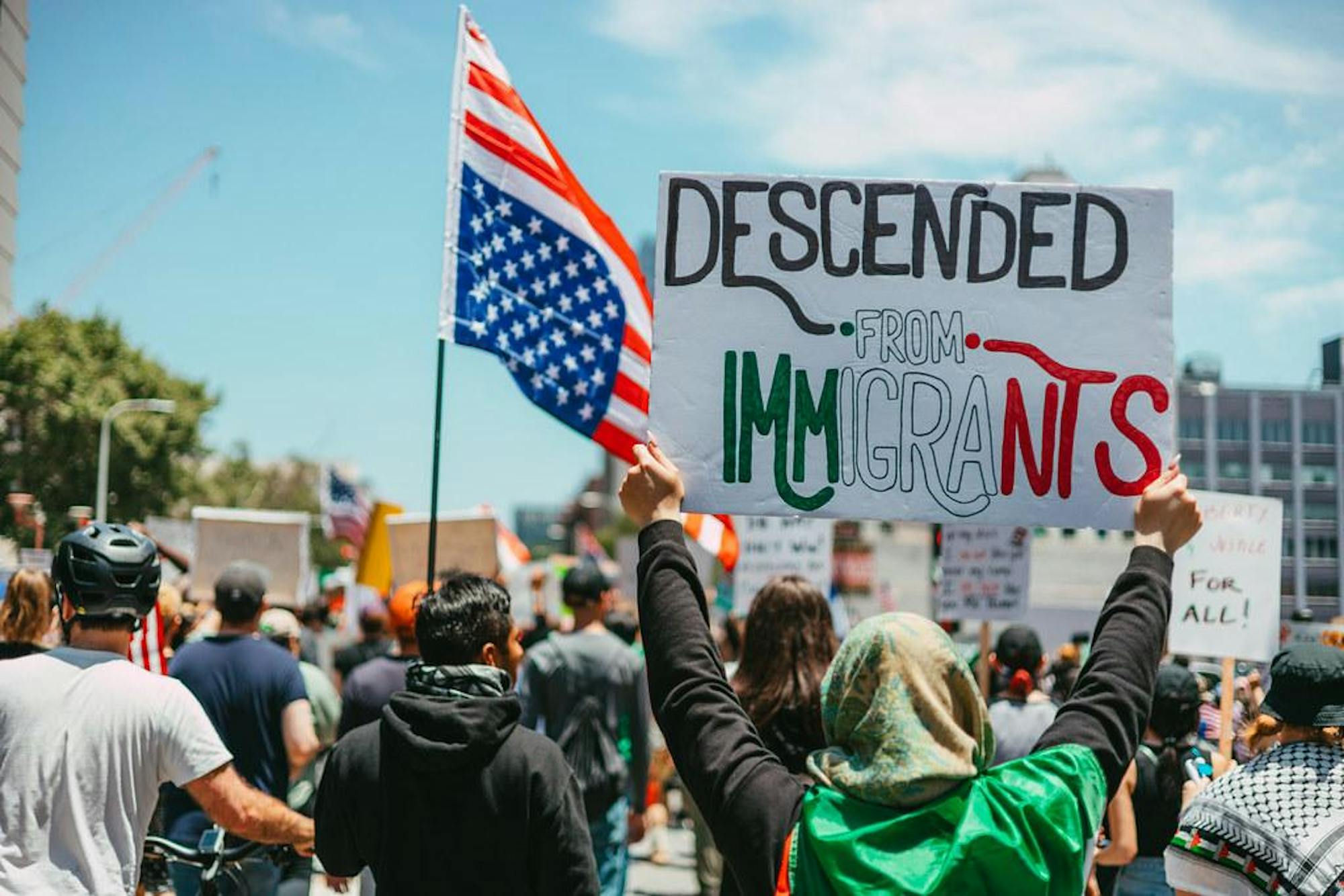
Millions of Americans came together in peaceful protest on Oct. 18 against President Donald Trump’s administration’s policies at over 2,600 “No Kings” events across the country. According to Rebecca Winter, the executive director of Mass 50501, there was a greater student presence than at their previous events, but the overall number of student protesters was relatively low. She expressed disappointment at the lack of student engagement, which has been a new trend in American politics.
The protest held in Boston Common was organized by three major organizations: the American Civil Liberties Union of Massachusetts, Mass 50501 and Indivisible Mass Coalition, in addition to musical performances aimed to gear the event towards young people
“To win this fight against authoritarianism, we are going to need everybody,” Winter said. “And college students have always been a huge driving force in activism in the United States, so it is disheartening to not see them coming out in solidarity with us for these really large events.”
Sophomore Kieran Doody said that he did not attend the protest largely because his friends, many of whom are international students, were concerned about risks associated with joining the protest.
“None of my friends were going. A lot of my friends are international, so that was also probably a big factor. …We support the “No Kings” movement, but for a lot of them, it’s a very scary time,” Doody said.
Winter suggested that another reason for low student turnout might be the increased financial pressures young people are facing under a suffering economy, leaving little time for political action.
“We are also dealing with serious issues with our economy right now,” Winter said. “I can completely understand how younger people in 2025 are barely able to make ends meet. It’s hard to carve out time for activism.”
Mass 50501 has been changing event programming, with an increased focus on sustainable activism, in an effort to engage more young people at protests.
“We did try with this event to bring in more music … and also have just less speakers and more ways that people could get involved in activism,” Winter said. “So we had 30 different tables set up with local organizations teaching folks how to do sustainable activism. And we did see there were some student organizers that tabled, and so that was great.”
Winter went on to challenge the idea that protests alone fail to enact change, stressing the importance of rallies in mobilizing people and creating community.
“Protests are effective at mobilization,” Winter said. “It gets people to realize there’s an issue, and it gets people who are feeling those issues to come together in solidarity and create community.”
Doody agreed with this sentiment, believing that the most significant impact of protests is the image of strength and solidarity they reflect.
“Throughout American history, a lot of changes come from the bottom up,” Doody said. “I think the … millions of people who came out sent a very clear message, even if it might not seem like it did much to affect Trump’s power or current position, I think soft power is very important.”
Angela Palma, a Tufts junior and daughter of two recipients of temporary protected status, which grants lawful immigration status and work authorization to migrants who have fled their homes due to natural disaster or war, spoke at the event. She outlined the ways in which immigrants are essential to the U.S. economy and urged people to fight back against the Trump administration’s immigration agenda.
“Ending TPS would not just uproot individuals, it would devastate families, dreams and futures that are deeply rooted in this country,” Palma said. “TPS holders have been brave enough to give this country the best years of their lives. … They deserve a permanent status.”
Yale student Sammy Albright attended the protest as a member of Socialist Alternative, an organization geared towards building a democratic, socialist society, and to talk to people in order to provide ways of fighting the Trump administration.
“We think that the Democrats are unable to fight Trump because they’re more worried about getting people elected, and they’re a billionaire party that doesn’t want to hurt their bottom line,” Albright said. “We think that we need a one-day strike across different industries, against Trump, against [U.S. Immigration and Customs Enforcement], and the Democrats will never say that,” Albright said.
Boston Mayor Michelle Wu’s speech highlighted Boston’s long history of resistance and its diverse community. She ended with an uplifting message about unity and a charge to keep resisting.
“Stay informed and engaged. Keep recording and posting, organizing and voting. They want us isolated and divided, so keep coming together,” Wu said. “Get involved, build up your community in any way that you can. There’s no shortage of reasons these days to be angry or afraid, but look around you right now and you’ll see tens of thousands of reasons to keep the faith and keep going.”