Zhu Keyu’s “Yozhua” is a search for home, myth, self
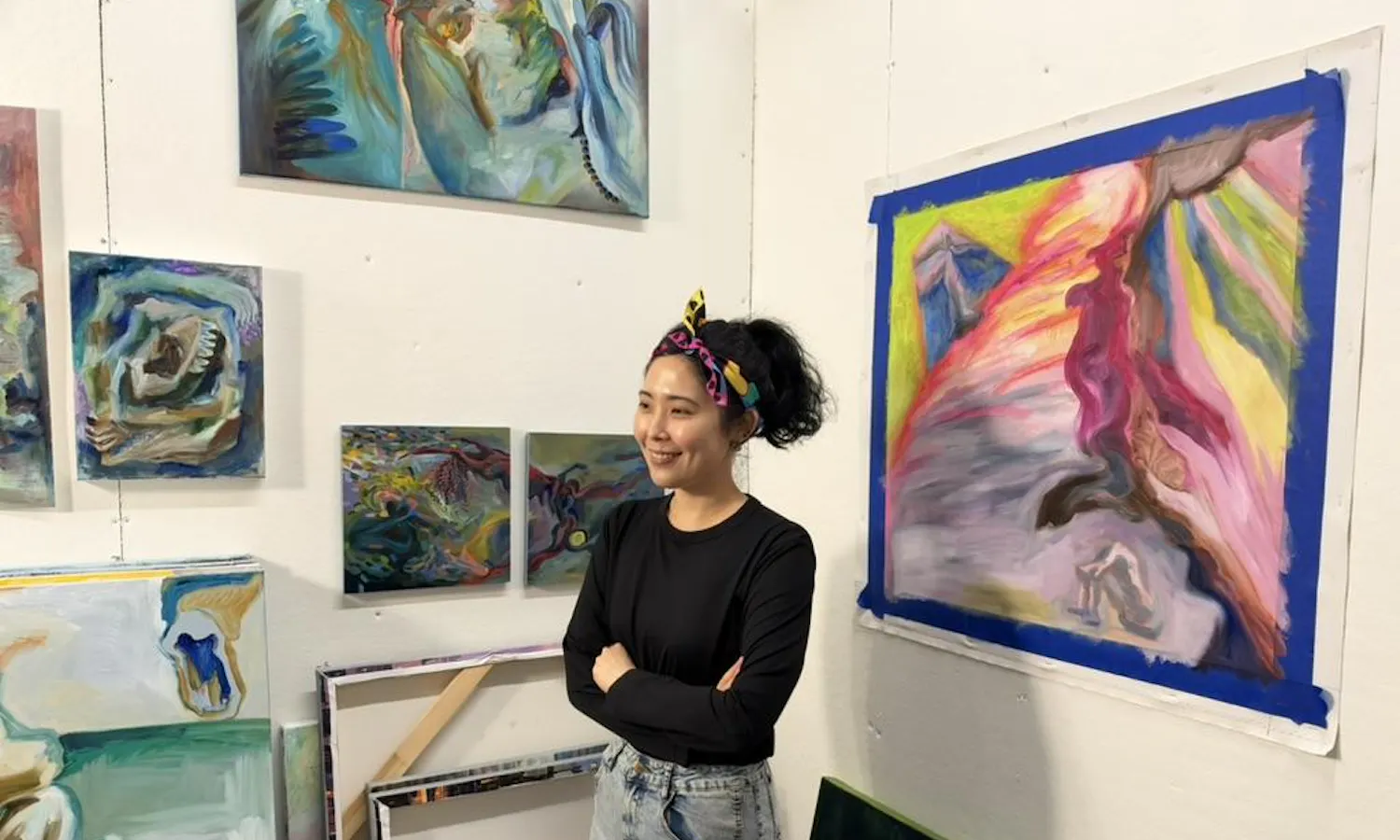
When asked to introduce himself during the interview, Zhu Keyu — a graduating fifth-year combined-degree student majoring in both fine arts and film and media studies — provided a layered answer.
Graduating senior Ankitha Raman knew coming into college that she wanted to continue playing music. A child of a musical father, she was classically trained in piano throughout her childhood and was involved in music ensembles in school.
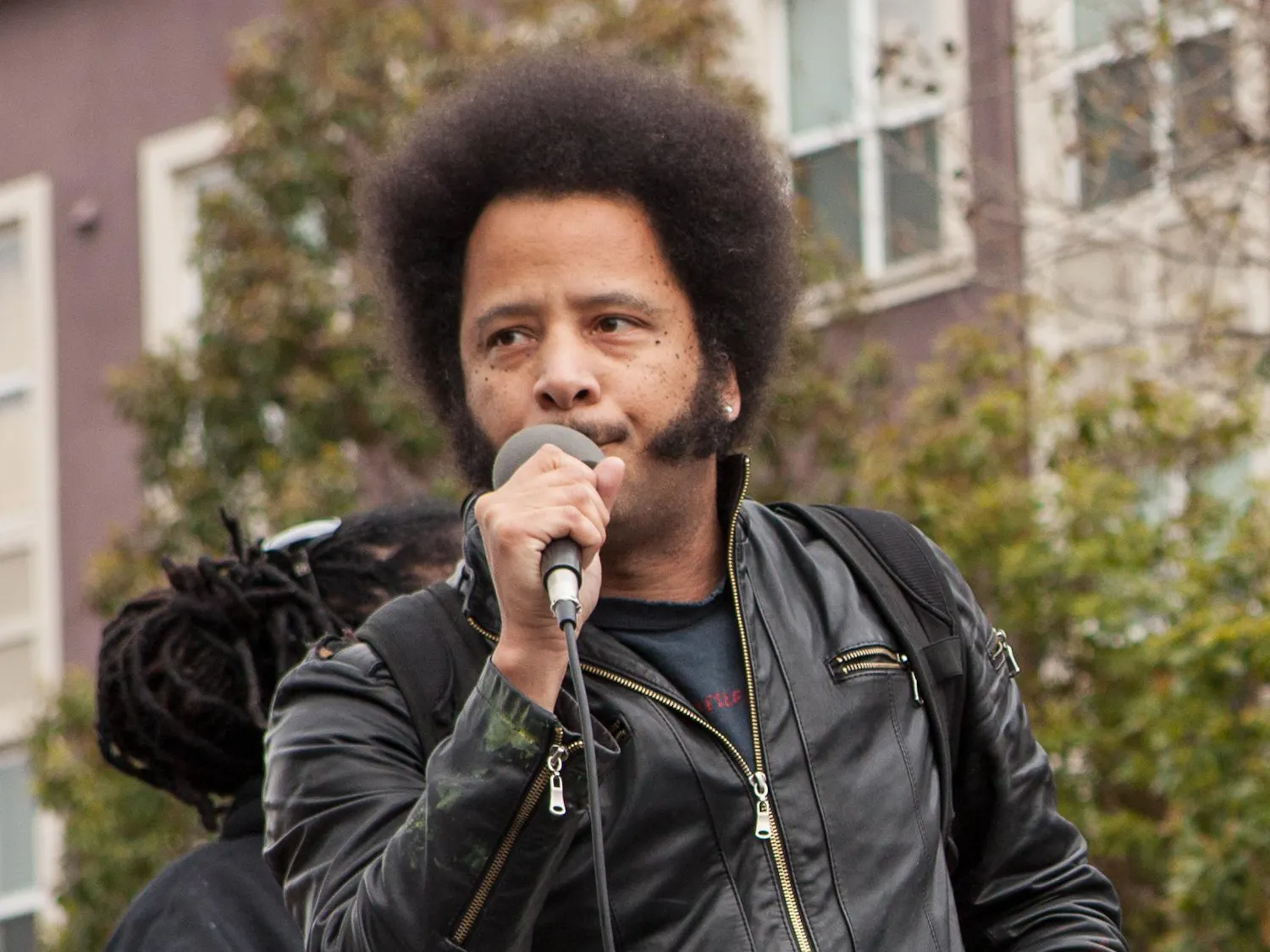
Before Boots Riley redefined himself as a full-blown filmmaker with his 2018 film “Sorry To Bother You,” he was the established frontman of Oakland-based rap group The Coup. The group is a politically incendiary collective whose most popular records bear titles like “My Favorite Mutiny” and “5 Million Ways To Kill a C.E.O.” The son of a civil rights attorney and a Jewish refugee-turned-activist, Riley spent his teenage years organizing school walkouts and rising through the ranks of the Progressive Labor Party.
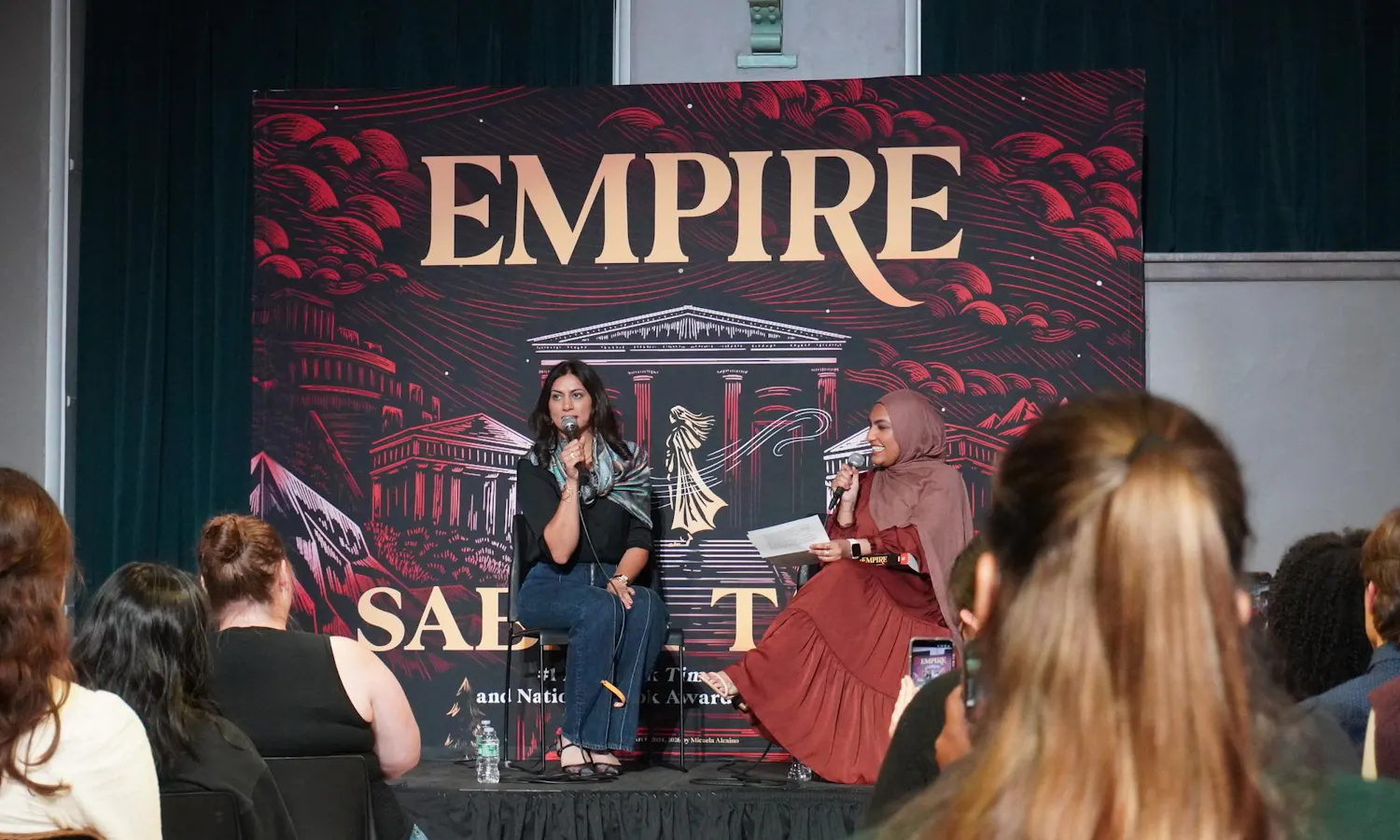
Nelio Biedermann’s “Lázár” opens with an epigraph taken from a poem by German writer Alfred Lichtenstein. “A blond poet perhaps goes mad” is inscribed on the page in greeting, maybe in warning. And just as Lichtenstein’s blond poet unravels, so do Lázár’s subjects.
Has Gregg Araki ever truly been a provocateur, or is he just a breezy, sex-positive activist stuck in an important filmmaker’s body? The anarchic energy of his early work points to the former, but his latest, despite its provocative title “I Want Your Sex,” suggests he may have evolved into something closer to the latter — if there’s a difference between them at all.
The new A24 film “The Drama” (2026), directed by Kristoffer Borgli and starring Zendaya and Robert Pattinson, looks good on paper: It has a likable cast, great humor, engagement with social issues and a theme that extends beyond the generic plots romantic comedies often embody. All in all, “The Drama” seems to check many of the boxes that would typically appeal to viewers. Yet after watching it, I was left completely unfulfilled.
Tufts alumnus Henry Cooke (A’79, AG’84), founder of Historical Costume Services, discovered his passion for history while trying to bolster his college application. Cooke worked throughout high school to pay for college, which didn’t leave him much time for extracurriculars. Because of his interest in history, his school counselor suggested he join a newly-formed minuteman reenactment group.
Ray Bradbury once wrote, “You fail only if you stop writing.” The best writing advice is simply to write but, as generative AI has risen, it has soured many people’s taste for putting pen to paper and turning imagination into story. Author Christopher Golden (LA’89) stands firmly against the AI trend.
Whose body is more polarizing than that of Sydney Sweeney? The “Euphoria” actress and entrepreneur has strategically capitalized on her looks through infamous, sexualized ad campaigns with Dr. Squatch and American Eagle. She has become the bane of feminists’ existence and the apple of the conservative eye.
The most recent A24 film, “The Drama” (2026), a romantic comedy written and directed by Kristoffer Borgli, features notable co-stars Zendaya and Robert Pattinson. After a pre-wedding dinner, a group of friends plays a game revealing the worst thing they’ve ever done, leading Emma (Zendaya) to reveal a shocking incident from her past. It’s a bombshell to everyone — especially her fiancé Charlie (Pattinson) — when Emma nervously admits she had planned a mass shooting when she was a teenager. This revelation becomes the hurdle blocking their path to marriage as both try their hardest to work through it.
Massachusetts-based artist Diana Zipeto’s recent additions to her “Fatherland/s” series begin with an invitation.
Boston is, and has for a long time been, a city of nascent artistic talents. Taking the Berklee College of Music alone, which graduates around 1,300 students each year, one would assume that a vibrant and expansive music scene would naturally follow. But, as it turns out, this assumption proves to be at best a half-truth. For as long as Boston has been a city teeming with the talents of clear-eyed and full-hearted college bands, it has likewise been the site of continuous struggle for performance and practice spaces, with most acts being confined to DIY basement shows or backyard gatherings.
I haven’t ugly cried from watching a movie in a very long time, but something about sad Chinese drama movies always makes it impossible for me to hold back my tears. And that was my activity last Tuesday night: alone in my room, crying about emotions that I couldn’t pinpoint in the moment.
When asked what I’m studying, I normally shrug and noncommittally say “English.” I want to make it clear that I’m aware it’s a somewhat romantic pursuit, set apart from the new standard of preprofessional studies and STEM obsessions that have spread throughout the undergraduate world. It’s easy to interrogate myself and try to identify the point of studying English literature. I find myself searching for an answer that feels like it’s moving further and further away in an increasingly artificial world.
As Boston enters April, though there are hints of warming weather, a more significant change is rain replacing the continuous snow. While we trek through the muddy paths uphill and contemplate whether to bring an umbrella to class, the sky overhead is shifting through different hues. Ancient East Asian potters noticed these nuanced changes and incorporated them into their works. So today we’ll be observing the celadon glaze widely used in East Asian ceramicware, which is reminiscent of the purity of jade and the mistiness of April rain.
Leatherwork is a relatively new love for Basil Cleveland, president and cofounder of the Boston Leather Guild. He discovered the material around five years ago through a different hobby –– woodworking.
Phil Lord and Christopher Miller’s “Project Hail Mary” (2026) is one of those films that you enter with high expectations, only to find that it doesn’t meet them in any of the ways you anticipated, yet leaves you just as — if not more — fulfilled in ways you never anticipated.
In the eyes of many, attending a rave is one of the ultimate forms of escapism. After all, few settings seem better suited to forgetting oneself than a haze of hallucinogens and EDM. Yet, as most ravers will tell you, the experience is less about losing their consciousness than discovering it.