Has anyone else ever dealt with the niche kind of shock that comes from watching the “Frozen Worlds” episode of “Our Planet?” One minute David Attenborough’s soothing British voice is showing you the cute penguins as they reunite with their families, and the next you’re watching walruses fall off cliffs to their deaths due to rising sea levels taking over their habitats.
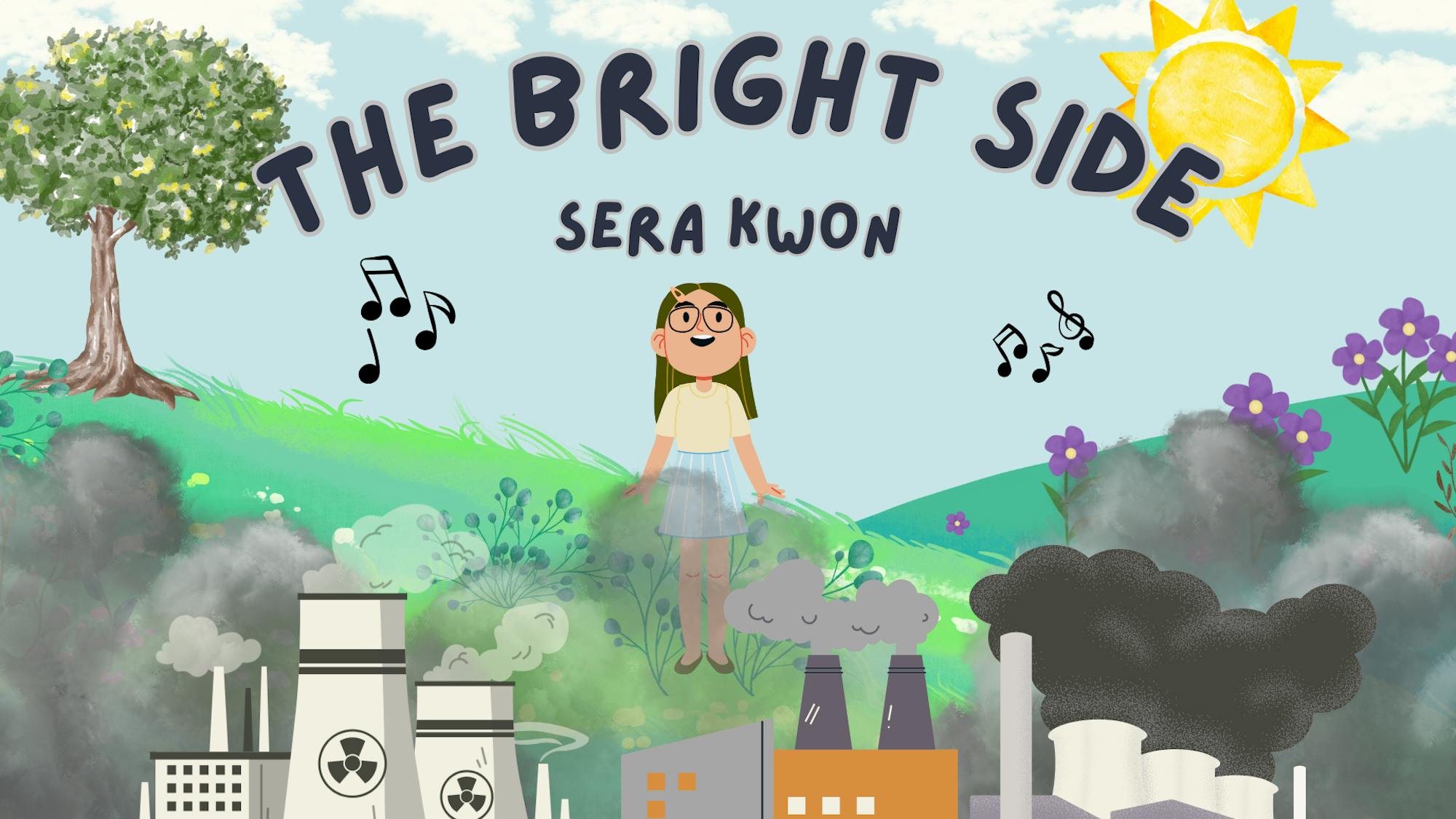
If there is one career that seems like an endless reel of “Frozen Worlds” episodes, where finding the ‘bright side’ seems like an impossible task, it might be environmental journalism.
I recently attended a screening of “Out of Plain Sight,” a documentary by Los Angeles Times reporter Rosanna Xia (LA’11). The film uncovers a staggering historical betrayal: Half a million barrels of DDT — the original “forever chemicals” — were quietly dumped off the coast of Southern California in the years following World War II. Xia follows the trail of this legal, yet catastrophic, decision to show how these chemicals have permeated every level of the ecosystem 60 years later.
The most haunting aspect of the film is the realization that the damage is already done. Since DDT does not degrade, it simply moves up the food chain. It travels from the seabed to the seals, eventually reaching the condors of Northern California, whose eggs are thinning because of a chemical dumped decades before they hatched.
The film concludes with a seal, rehabilitated from cancer, being returned to the ocean. It is a depressing victory, releasing a healed animal back into a contaminated habitat simply because there is nowhere else for it to go.
In the Q&A following the film, Xia spoke about the struggle to find the right tone to inspire action. If you give the audience too much hope, they lose their sense of urgency. Anger, too, cannot be sustained.
Instead, Xia aims to instill a sense of responsibility. She asks us to look into the past not just to mourn, but to audit our present. What chemicals are we putting into the world today without regulation that we will only recognize as a crisis when it is too late?
If the chemicals are already there and they cannot be removed, one might ask: Why should we even know?
We have the right to know because the truth provides the courage to act for the future. We have a responsibility to cherish the air we breathe and the water we consume, and we cannot protect what we do not understand.
The ‘bright side’ here isn’t a quick fix or a happy ending for the DDT on the seafloor. It’s seeing someone like Xia, who remains upbeat as she asks the hard questions. Her work reminds us that, while we cannot change the past, we are the only ones responsible for what comes next. Courage, it turns out, starts with looking at the things we’d rather leave out of sight. That is the only way we can demand a brighter future.