MisCONceptions: On Millie Bobby Brown and matrimony
By Trent Bunker, João Ribeiro, Katherine Brown and Nicholas Rishi | April 27Editor's note: MisCONceptions is a column with four contributors. This article was written by Katherine Brown.
Editor's note: MisCONceptions is a column with four contributors. This article was written by Katherine Brown.
2023 is the year of AI. Tools like Chat-GPT, Midjourney and others have become ubiquitous in our society and popular culture; from South Park to Snapchat, AI has captured discourse like never before. The rapid advancement of technology has opened the door to possibilities that were once restricted to science fiction. AI’s recent developments have also suggested that it may overtake us sooner than was previously thought. A survey of 356 AI experts in 2022 found that half of those experts believed that a human-level AI would be developed before 2061. The vast majority — 90% — thought it would be developed within the century. While the same experts also caution against fear-mongering, there is a possibility we will confront artificial life with equivalent or greater intelligence than us within our (for my readers in college) lifetime.
President Donald Trump’s actions towards the United States’ Western European allies, such as his mocking of German energy policy at the U.N., left relations strained, with a lasting impact even under President Joe Biden, but this may have been because of a structural reason that no one saw. Namely, Western Europe’s place and significance in the international system has declined since the beginning of the 20th century, leaving not only its future relationship with America, but also its future as a whole, ambiguous.
Brasilia, the capital of Brazil, completed its construction in 1960 with the intent of using modernist architecture as a tool to forge a futuristic utopian society. The city was designed around urban planner Lucio Costa’s airplane-shaped “Plano Piloto.” A series of residential “superquadras” along the plane’s wings contained dwellings, hospitals and schools and were connected to government buildings in the airplane’s cockpit through central highways. Brasilia’s designers hoped to create an egalitarian city which could be inhabited by government ministers and blue-collar workers alike.
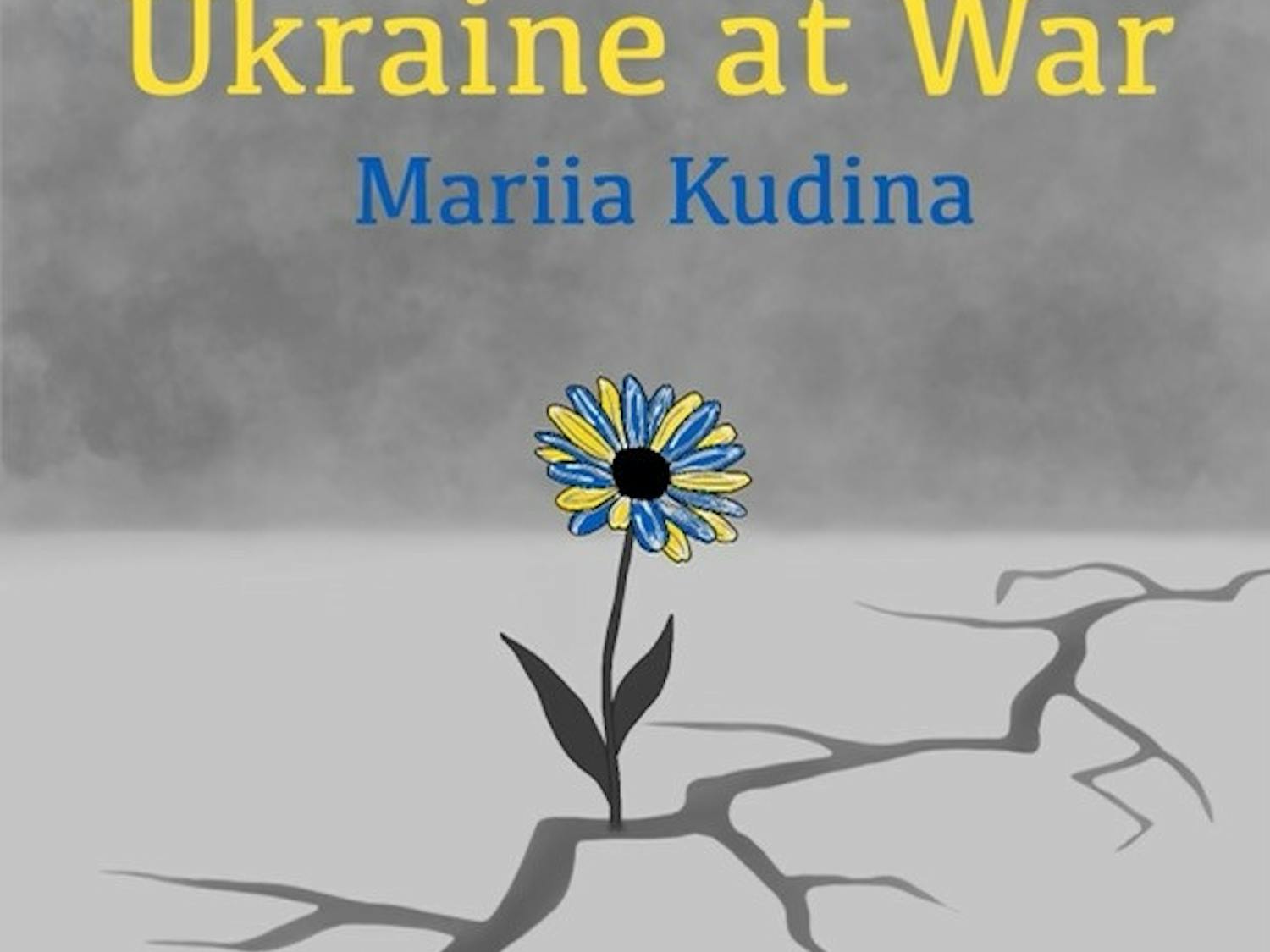
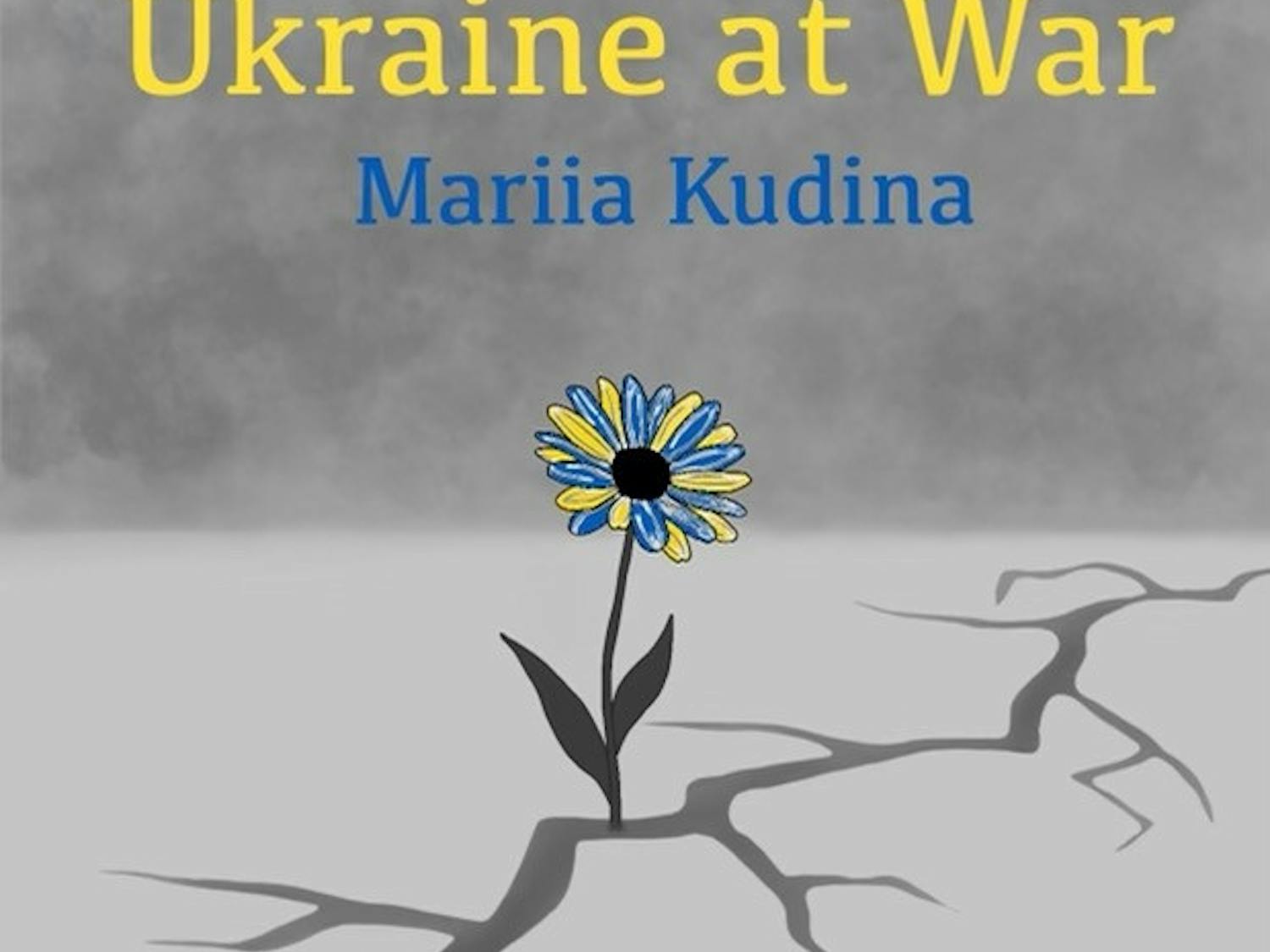
This spring, a team of Ukrainian women took a dangerous trip to Russia and Russian-occupied Crimea to bring home some of the Ukrainian children who were illegally kidnapped from the other regions occupied by the Kremlin. Although around three dozen rescued kids are now able to reunite with their families, thousands or even hundreds of thousands of Ukrainian children and teenagers still cannot return to Ukraine.
Editor’s note: MisCONceptions is a column with four contributors. This article was written by Nicholas Rishi.
The discussions around the Kremlin’s threats to utilize nuclear weapons in the war against Ukraine were seemingly fading, as for a few months, Russia limited its mentions of intentions to use them. On Saturday, March 25, Russian President Vladimir Putin announced an agreement with Belarus to store tactical nuclear weapons in Belarus. While Putin justifies the decision by stating that Russia follows the U.S. model of storing nuclear weapons around the world, Russia’s determination to relocate the weapons closer to Europe is concerning.
Since the beginning of the year, the White House has been crowing about progress made against inflation, as recently as a few days ago. Unfortunately, even if the numbers do not lie — and there has certainly been discussion about the extent to which current calculations are truly representative of inflation rates — this story is not likely to remain true for much longer.
The announcement last Thursday that former President Donald Trump had been indicted immediately plunged the United States into wholly uncharted waters. For the first time in our country’s 247-year history, a former commander in chief will face criminal charges after leaving office. I will not debate the merits of the case against Trump or the motivations of the prosecutors pursuing it. Whether or not Trump is guilty does not change the profound consequences of this indictment that will reverberate in our political system forever. Just or not, this indictment opens a new and bloodier chapter in American politics.
In recent years, China has performed a series of threatening military exercises around the Taiwan Strait, leading to the United States demonstrating its commitment to defending Taiwan, a disputed island territory which mainland China claims as its own. Taiwan, now a democracy, became the headquarters of the Kuomintang, whom the Chinese Communist Party defeated at the end of the Chinese civil war (1945–49).
Editor’s note: MisCONceptions is a column with four contributors. This article was written by Trent Bunker.
Editor’s note: MisCONceptions is a column with four contributors. This article was written by João Ribeiro.
At the beginning of the full-scale war, some directors of Ukrainian fashion brands felt unsure about the field’s relevance; however, a few months into the conflict they realized that continuing their creative processes is especially valuable at this time. In addition to bringing attention to Ukraine by engaging in shows and contests, making designs for clothes now meant remaining strong and fighting against Russian attempts to destroy Ukrainian culture. Ksenia Schnaider, a creative director of KseniaSchnaider, said that she initially thought that the brand she and her husband Anton created in 2011 would no longer exist.
A common trope in science fiction is “what if the computer comes to life?” The plot of “Free Guy” (2021) — a mediocre film — for example, revolved around a nonplayer character in a video game gaining sentience and struggling to preserve it. The problem of what to do with a sentient computer is an enormously complex one — too complex, indeed, to address in this column. There is, however, another more fundamental question: How do we know when a computer has gained sentience?
Editor’s note: MisCONceptions is a column with four contributors. This article was written by Katherine Brown.
To recognize the war in the country, Ukrainian President Volodymyr Zelenskyy has famously refused to wear suits, appearing in public in army green t-shirts or hoodies with a tiny trident — the Ukrainian national symbol — and trousers, since the night of Russia’s full-scale invasion. Ukrainian fashion, shaped by the ongoing military battles, reflects the complex nature of feelings and characteristics surrounding the people of Ukraine in these challenging times: hope, strength and perseverance.
Ukraine’s unyielding resistance to Vladimir Putin’s autocratic aggression has improved the country’s reputation on the international stage and led to a powerful alliance between Presidents Joe Biden and Volodymyr Zelenskyy. However, the greatest test of this partnership has yet to come. There is no end in sight to the Russia-Ukraine conflict, and Ukraine’s military is highly dependent on U.S. aid. Although the Biden administration has supported Ukraine rhetorically and politically, it is not surprising that Ukrainian leaders may worry that American politicians will not support a foreign war indefinitely. This strategic partnership is currently at a high point after decades of ups and downs, but future military aid could be jeopardized by a lack of support on Capitol Hill. Therefore, Kyiv faces external pressure to achieve sustained military success, as they must prove to Washington that military support is a worthwhile investment.
For the past few years, there has been increasing discussion in the foreign policy community about Washington’s role in the Global South: an often neglected part of international relations. With the primacy of the United States waning in institutions like the United Nations and in the Global South —17 African states abstained from a vote condemning Russia’s invasion of Ukraine and one voted against it — the necessity for Washington to regain soft power influence over the region has been under a spotlight, as the United States seeks to preserve the global liberal order. Now, the time has come for a coordinated Africa strategy.
Editor’s note: MisCONceptions is a column with four contributors. This article was written by Nicholas Rishi.
Despite the cold and snow, on Sunday, Feb. 26, Copley Square was decorated with Ukrainian flags along with those of the United States, Poland, Latvia and others. Almost 1,000 Bostonians gathered in front of the Trinity Church to recognize the gloomy one-year anniversary of Russia’s full-scale war against Ukraine. People joined in to listen to the speeches of city officials and personal stories of Ukrainian students pursuing education in the Boston area, while collecting and sending aid packages back home and dealing with very complex emotions.