Guest
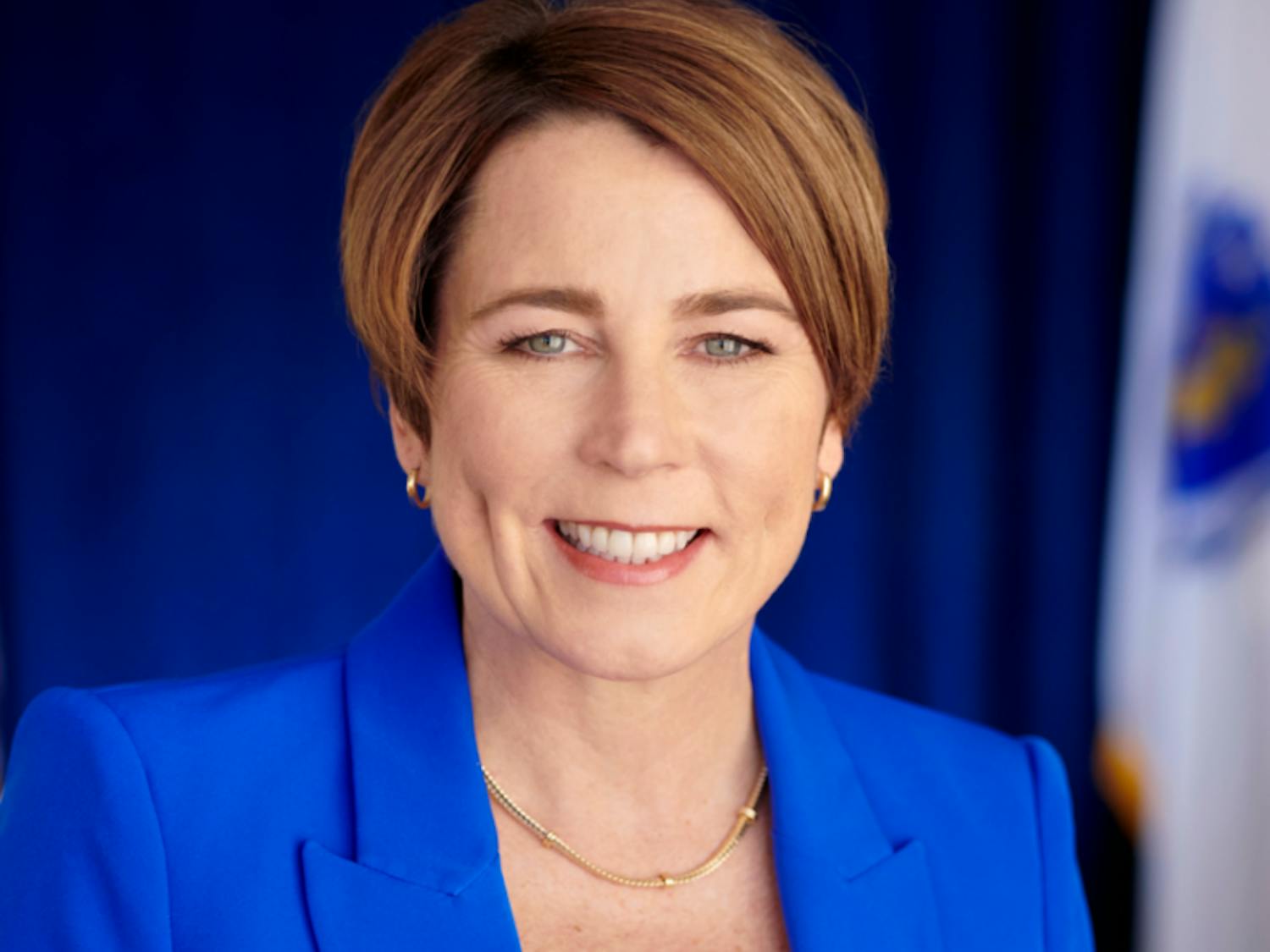
Op-ed: How Gov. Healey can go above and beyond on housing and climate change
By Jacob Fridman | January 30Jacob Fridman is the president of Tufts New Liberals.

Jacob Fridman is the president of Tufts New Liberals.

Dear fellow Tufts community members,
For the last few decades, China has been not just one of the world’s strongest economies, but its most populated country. However, recent news suggests that it may have already fallen to second in the race that it has spent decades dominating. The Chinese National Bureau of Statistics announced that in 2022, the country’s population fell by 850,000 to 1.411 billion people, marking the first time the population has decreased since 1961. It is hard to say that this news was unpredictable, considering China’s population structure. Still, this crisis and China’s response will certainly have a large impact on China, its trading partners and its rivals.

Anyone who has recently been in the Tufts gym has likely noticed and been irked by the crowding. In some ways, this is not Tufts’ fault. It is not a surprise that gym attendance is heightened in the period following New Year’s Day as New Year’s resolutions are meant to be based on the idea of self-improvement. Logically, going to the gym fulfills this natural desire. However, given the unpleasantries of the current state of the Tufts gym, the administration ought to concoct and implement a more responsible plan for the future.
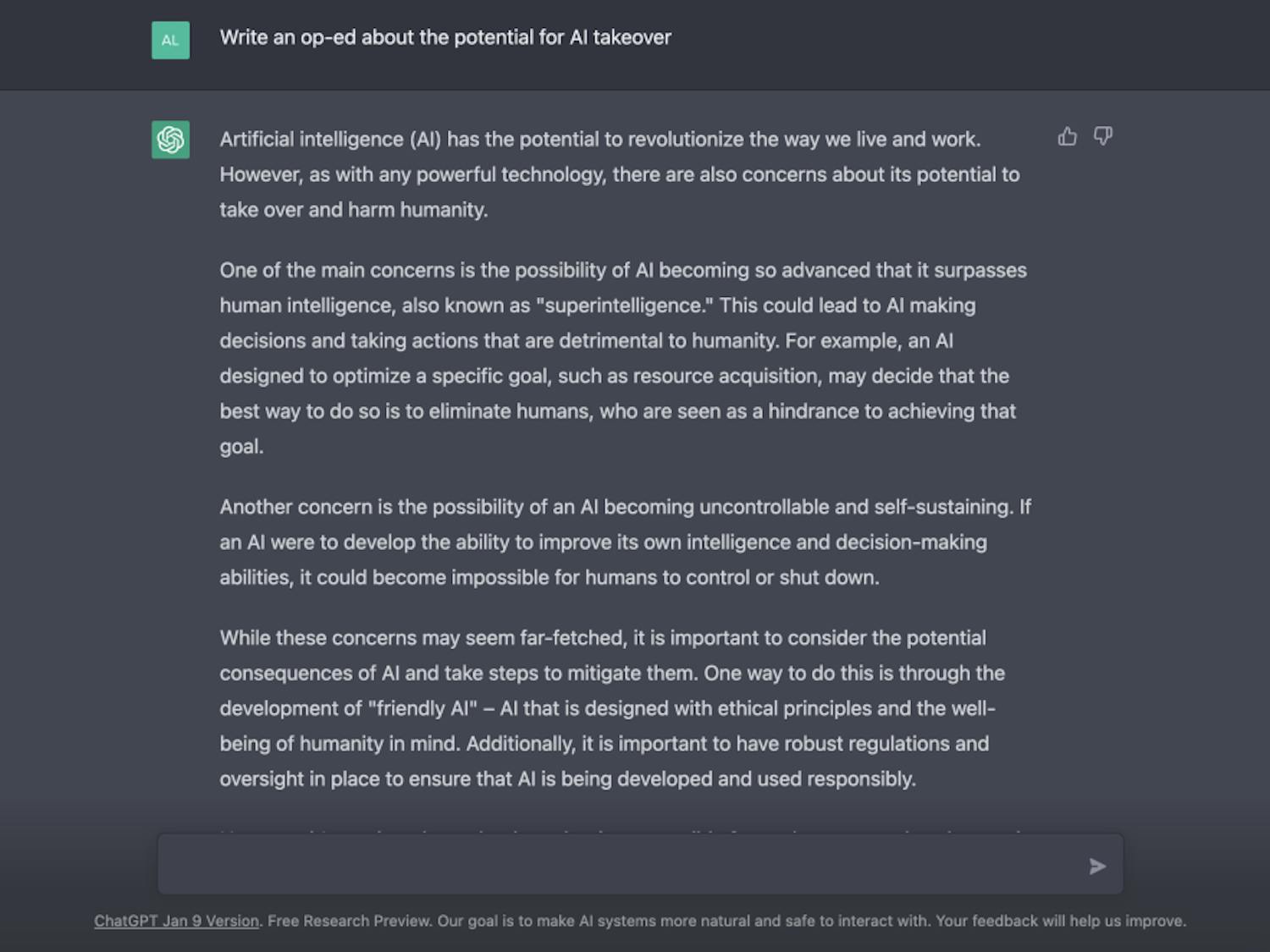
On Nov. 30, 2022, OpenAI, an independent artificial intelligence foundation co-founded by Elon Musk in 2015, launched ChatGPT, a new chatbot built through OpenAI’s GPT-3 language model system, which quickly gathered attention from different industries worldwide. The model is trained through supervised and reinforcement learning on a vast dataset of text. Although the model and the technology behind it have been around for a while, OpenAI is estimated to have 1 million users already in the same week they made this technology public.
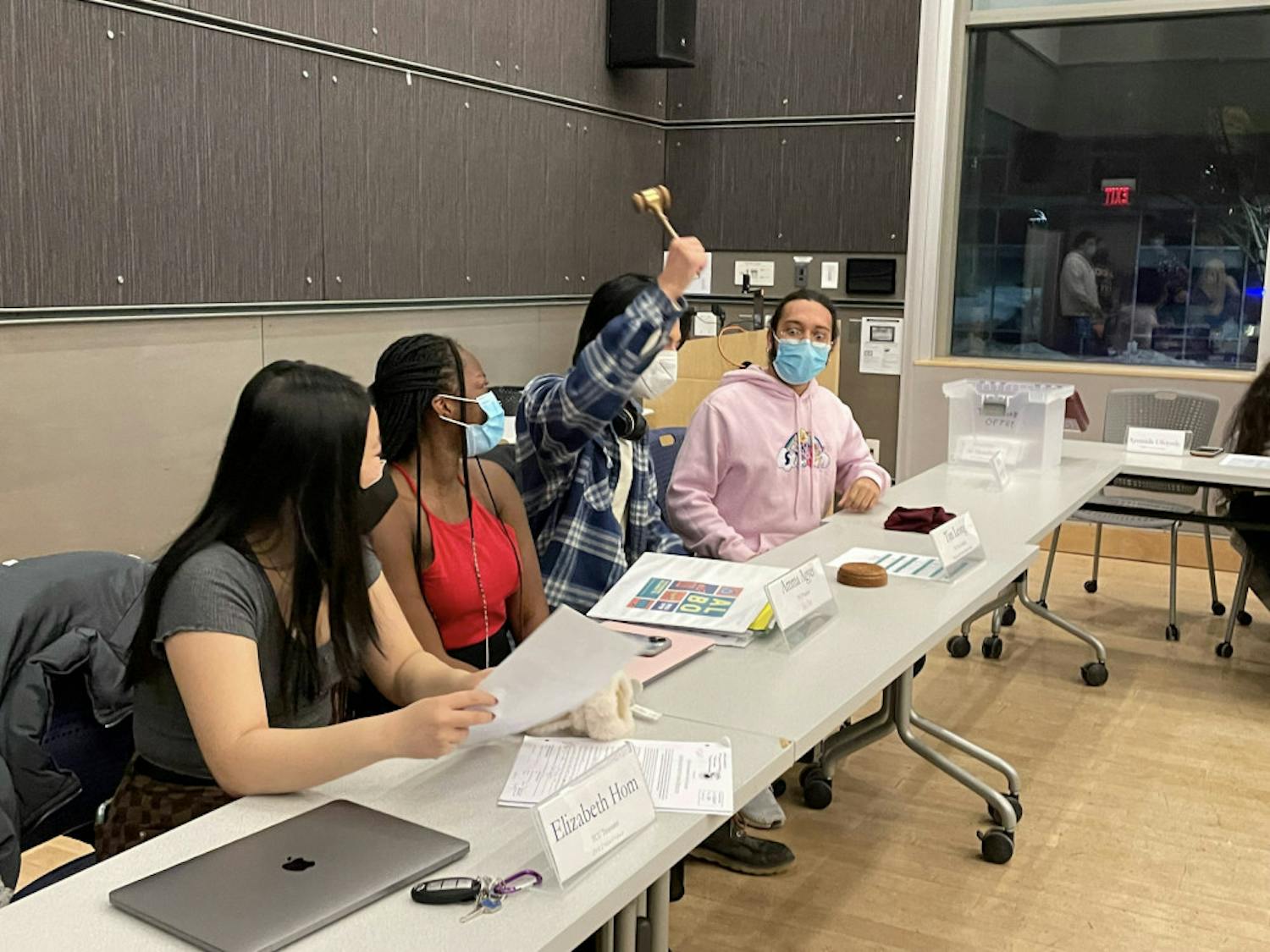
The Tufts Community Union Senate announced on Jan. 19 that a special election will be held to fill six vacant positions, among them a new disability community senator. An announcement from the disability justice club ABLE encourages “a member of the disability community … [who] want[s] to change the lack of accessibility, education and representation on campus” to apply.

In the frenzy of reporting on Joe Biden’s neglect of classified documents, the media seemed to forget about the president’s visit to Mexico. However, as recent news indicates, the backdrop of that event may shape up to be the most pressing threat to U.S. national security.
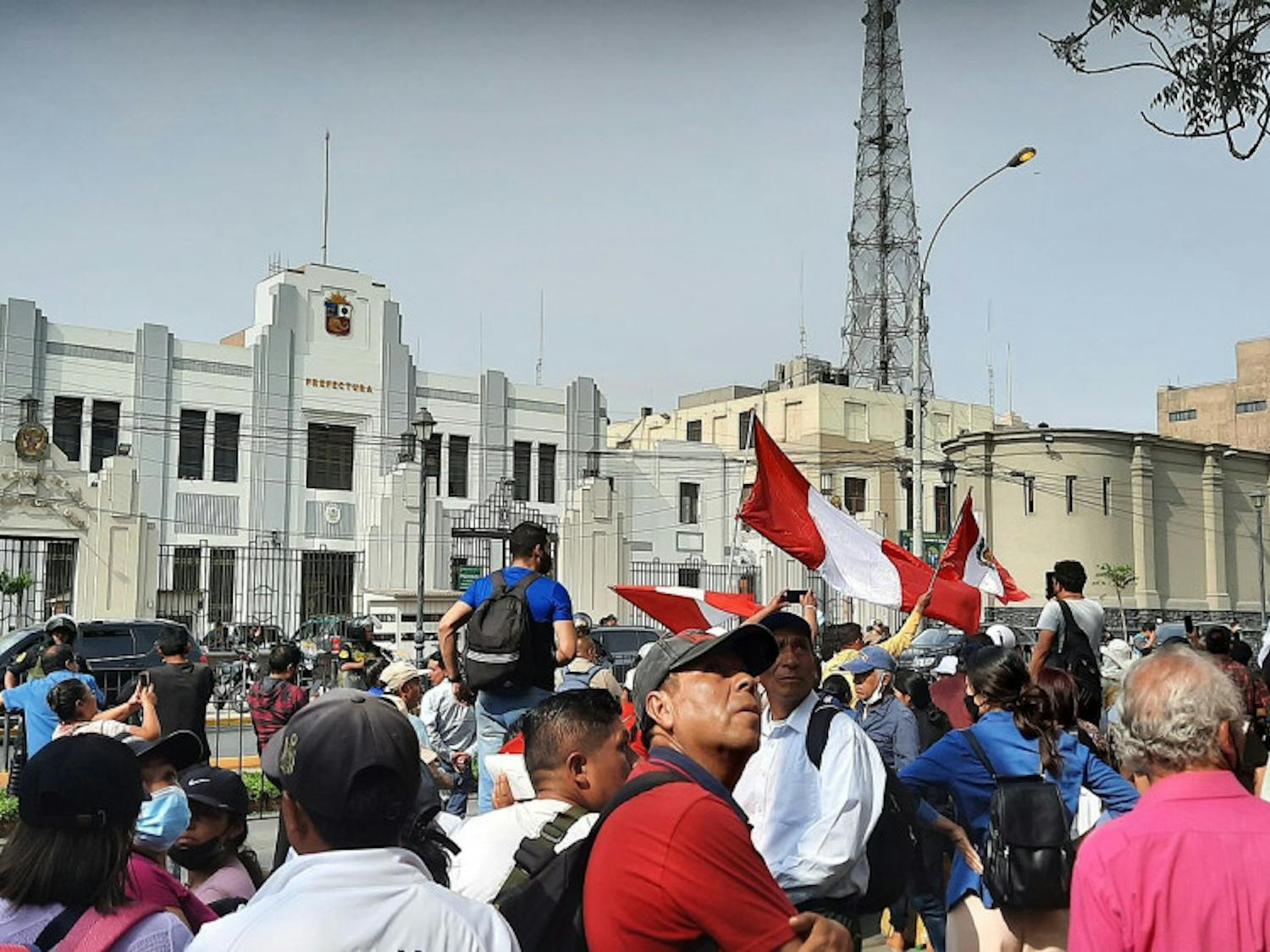
On Dec. 7, 2022, the people of Peru were shocked to watch a presidential announcement on their televisions declaring the dissolution of Congress and the establishment of an “emergency government.” In an effort to remain in power, President Pedro Castillo resolved what could be deemed as a ‘self coup d’etat,’ hindering the legislature’s rumored plans of impeachment due to irregularities in his mandate.
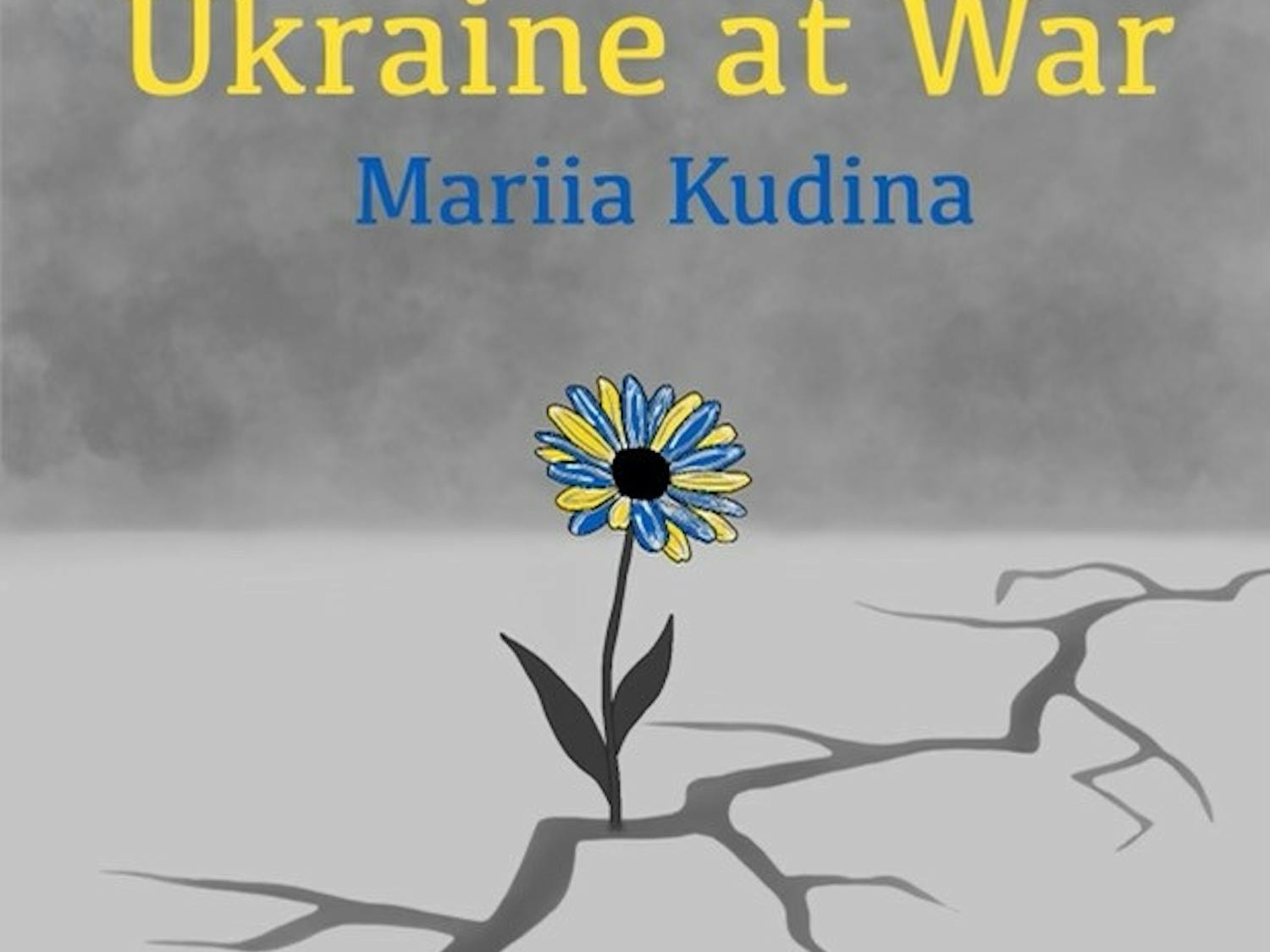
Kyiv was just a flight away from Boston before the war. The Ukrainian sky has been closed for all planes except the military ones since Russia invaded on Feb. 24, 2022. Getting to Ukraine from the U.S. now requires approximately two flights and two train or bus rides. The latter typically includes a long wait: between four and six hours if it is a lucky day, or about a day on other occasions, in my case on the Polish-Ukrainian border.
Dear Tufts community,
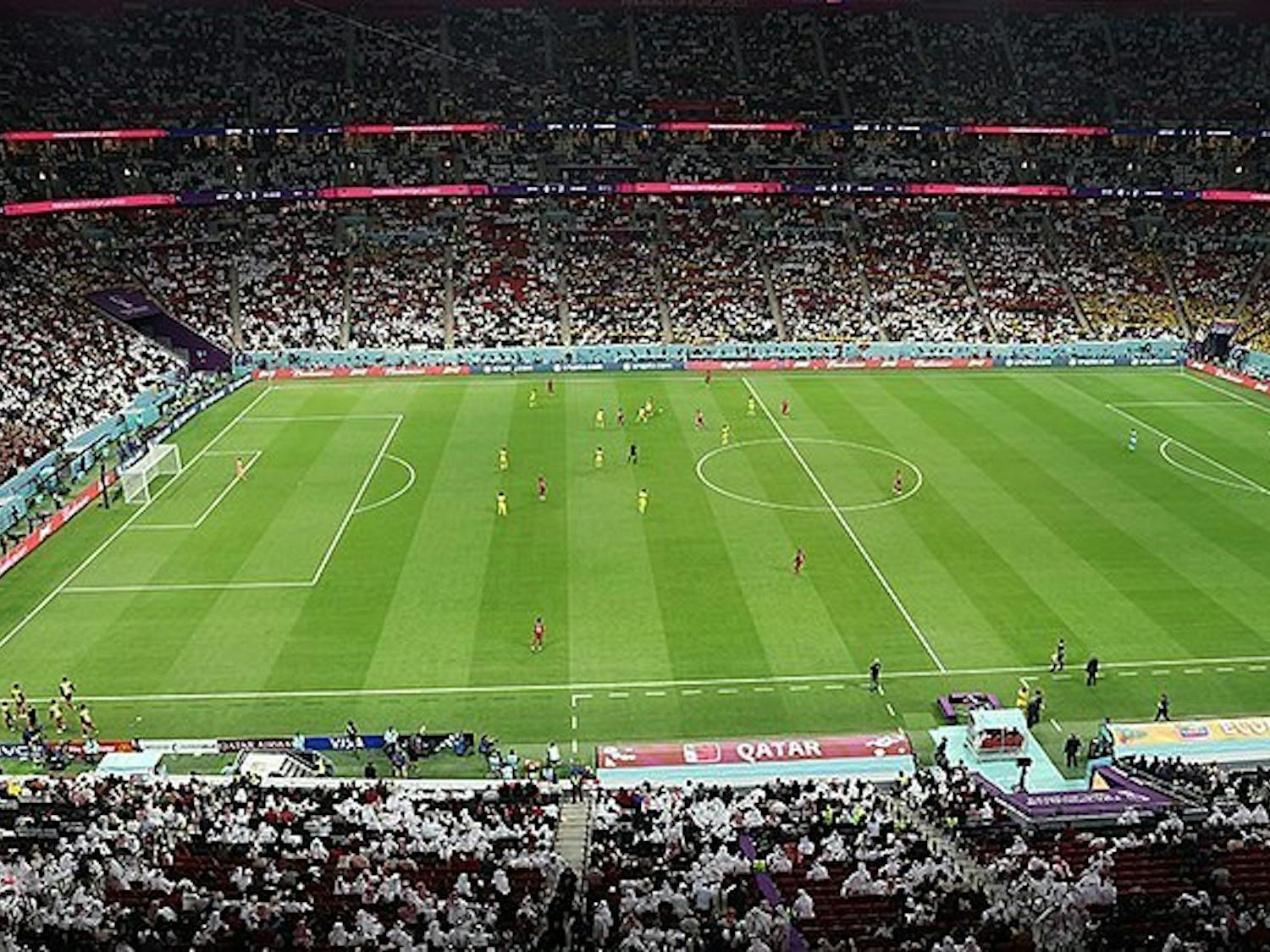
After a surprise exit by Brazil (ranked as the best international team by FIFA in October before the World Cup commenced) and the appearance of two underdog teams in the third place match, Croatia (ranked No. 12) and Morocco (ranked No. 22), one could almost feel the entire culture of soccer shift. Analysts and casual viewers alike were left scrambling for answers. How were these teams, who were not even considered likely to make a late run in the tournament, much less compete for the third place trophy, able to perform at such a high level against all odds? The answer is less exciting than one would expect, and it involves the death of the most engaging parts of soccer.

The departure of University President Anthony Monaco following this academic year will certainly be emotional for the Tufts student body. Serving as president for over a decade, President Monaco demonstrated his resolute leadership while navigating the university through a challenging pandemic and the subsequent rebound to in-person learning. Although he has received backlash from students on certain issues, he nevertheless remained an open book and did his best to respect and address their concerns.

Dear Tufts community members and Tufts Daily staff,
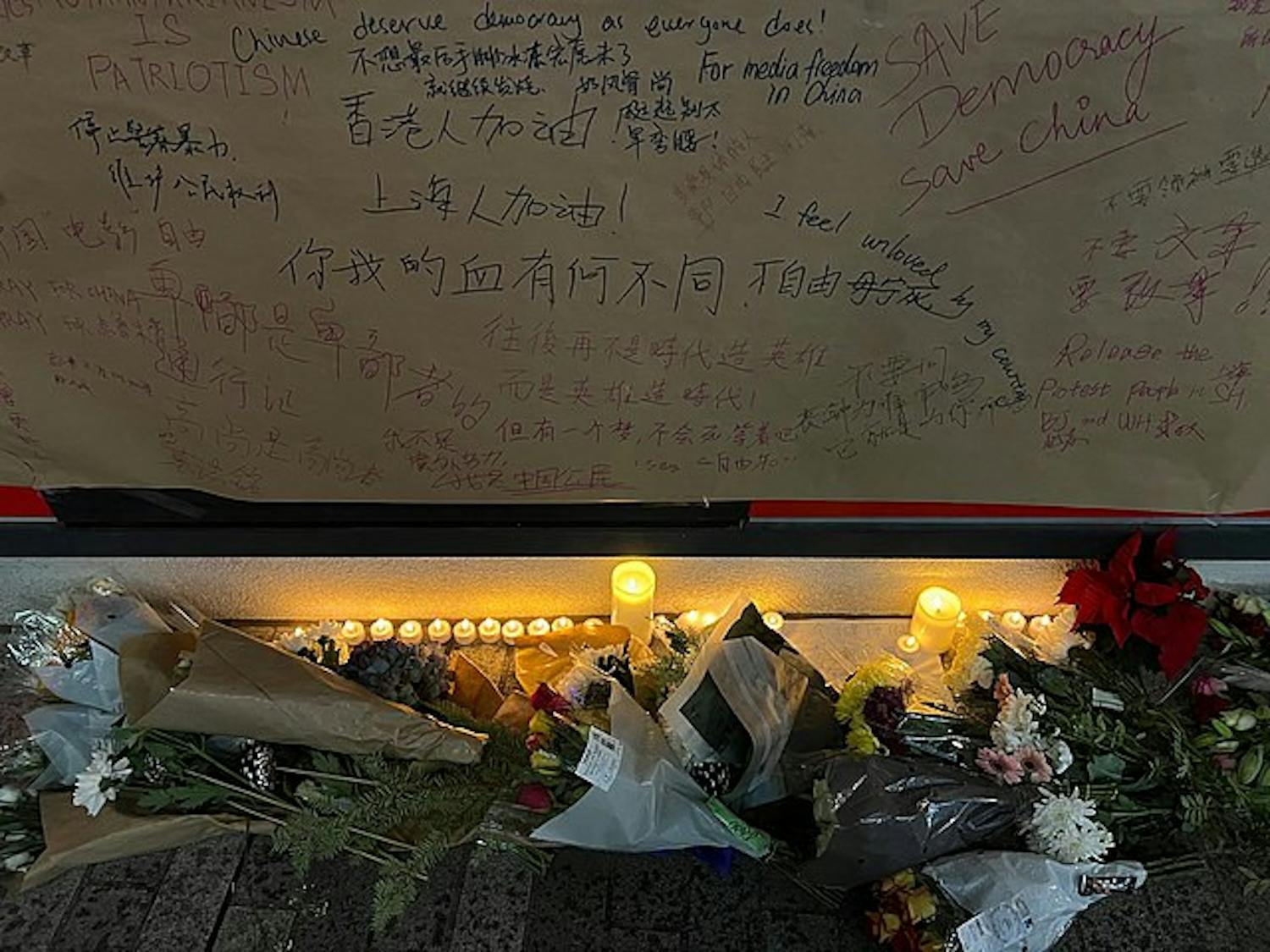
On Sunday, Nov. 27, a rare anti-lockdown, pro-free speech protest broke out in Beijing. Demonstrators crowded the Liangmaqiao diplomatic district, holding up pieces of blank, white paper to show their opposition to China’s draconian zero-COVID policy. Protests also broke out in other major Chinese cities such as Shanghai, Guangzhou and Chengdu following a fire in Urumqi, the capital of Xinjiang, where at least 10 lives were lost due to COVID-19-related “barricades and locked doors” that slowed down the fire evacuation.
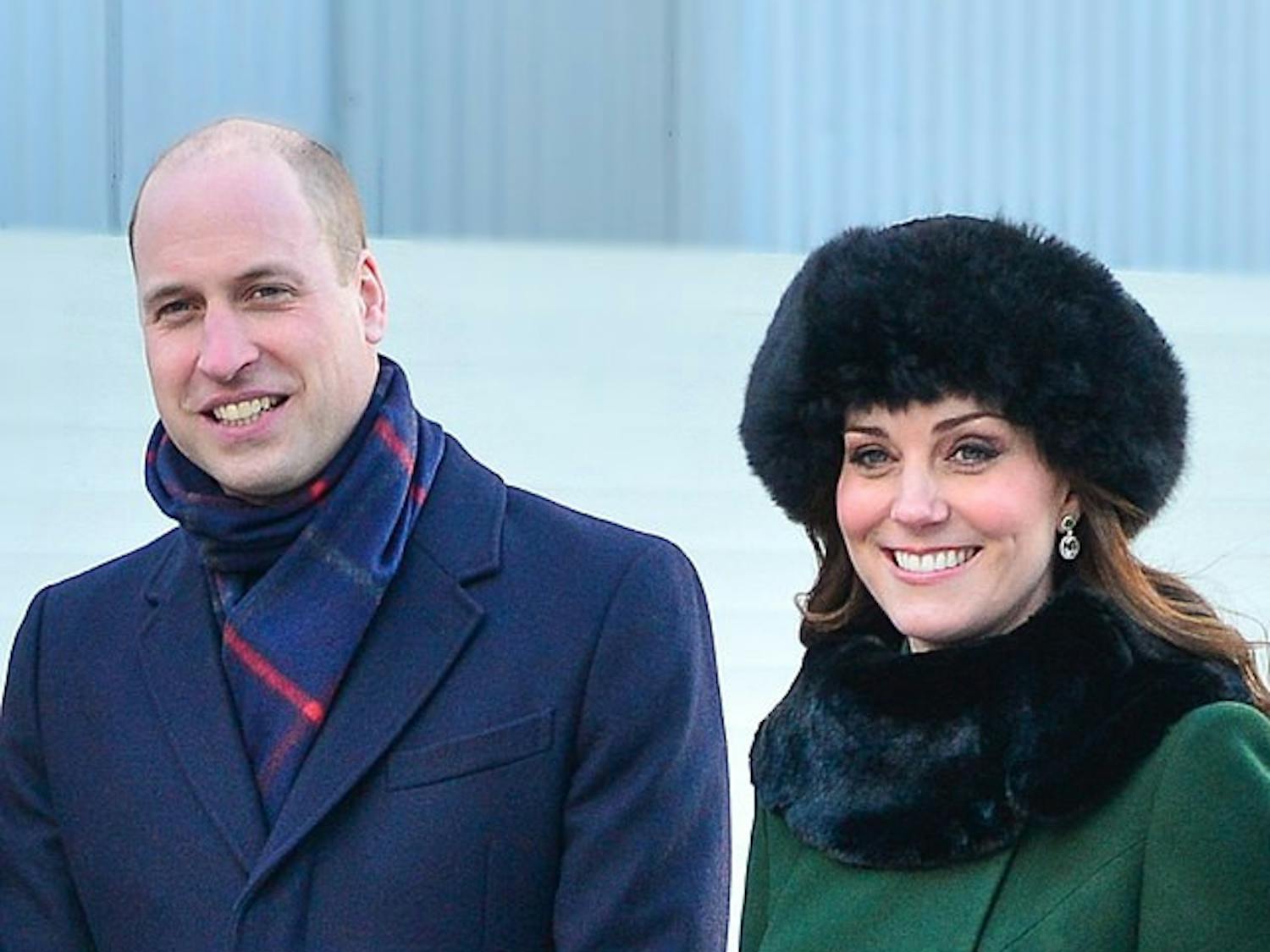
Boston was recently honored with a royal visit from Prince William and Princess Catherine for the purpose of announcing the winners of their Earthshot Prize Awards, which go to individuals across the globe who are working on solutions to repair the planet by 2030. The awards were presented in partnership with the Boston-based John. F Kennedy Foundation, which is how the city was chosen as the host of this year’s awards. The concept of “Earthshot” is reminiscent Kennedy’s “Moonshot,” the commitment he made during a speech at Rice University in 1962 to put a man on the moon. Earthshot emphasizes the urgent need for global climate action.

In 1892, an immigrant from the Russian Empire stepped off a ship into the bustling city of Boston with nothing but the clothes on his back. He did not come to the country by choice: Indeed, when he was younger, he did not imagine that he would ever leave his village, much less Europe. The situation in Russia had changed, however, and those of his Jewish faith faced increasing violence and attacks by mobs, while the state hardly lifted a finger to stop them. In the United States, he worked hard and brought his family still in Russia over, one by one. It was a good thing too: If they had remained, they would in all likelihood have been murdered by the Germans in the Holocaust. The U.S. saved his life, and the life of his family. It also saved the life of his unborn descendants, who came to prosper in a way inconceivable in the “old country.” That man’s last name was Berlin — he was my great-great-great-grandfather.

The Diversity & Inclusion Report embedded below represents The Tufts Daily’s first comprehensive effort to gather insights into the composition of our staff and their experiences in our organization. The report was compiled by a group of the Daily’s current and former student leaders under the purview of the paper’s Intentionality & Inclusivity Committee.

The majority of people, including those whose countries are not affected by wars, are stressed before the holiday season. As everyone is wrapping up a year of work and a semester of studying, let’s explore how Ukrainians cope with psychological tension from the war ahead of the harsh winter. In the past few months, missiles from Russia demolished more than half of Ukrainian energy infrastructure.
The next three decades — at least — in global politics are bound to be a wild ride. Even if my previous columns are incorrect in their predictions — and I do hope that the scale of the global collapse and regional conflicts to come will not be as devastating as I fear — the major trends of depopulation, deglobalization and the result of the regionalization of economics, politics and security remain certain. Another almost-certain constant, though, is the United States’ primacy. What should the United States do with all this remaining power, and its relative position in the international system?
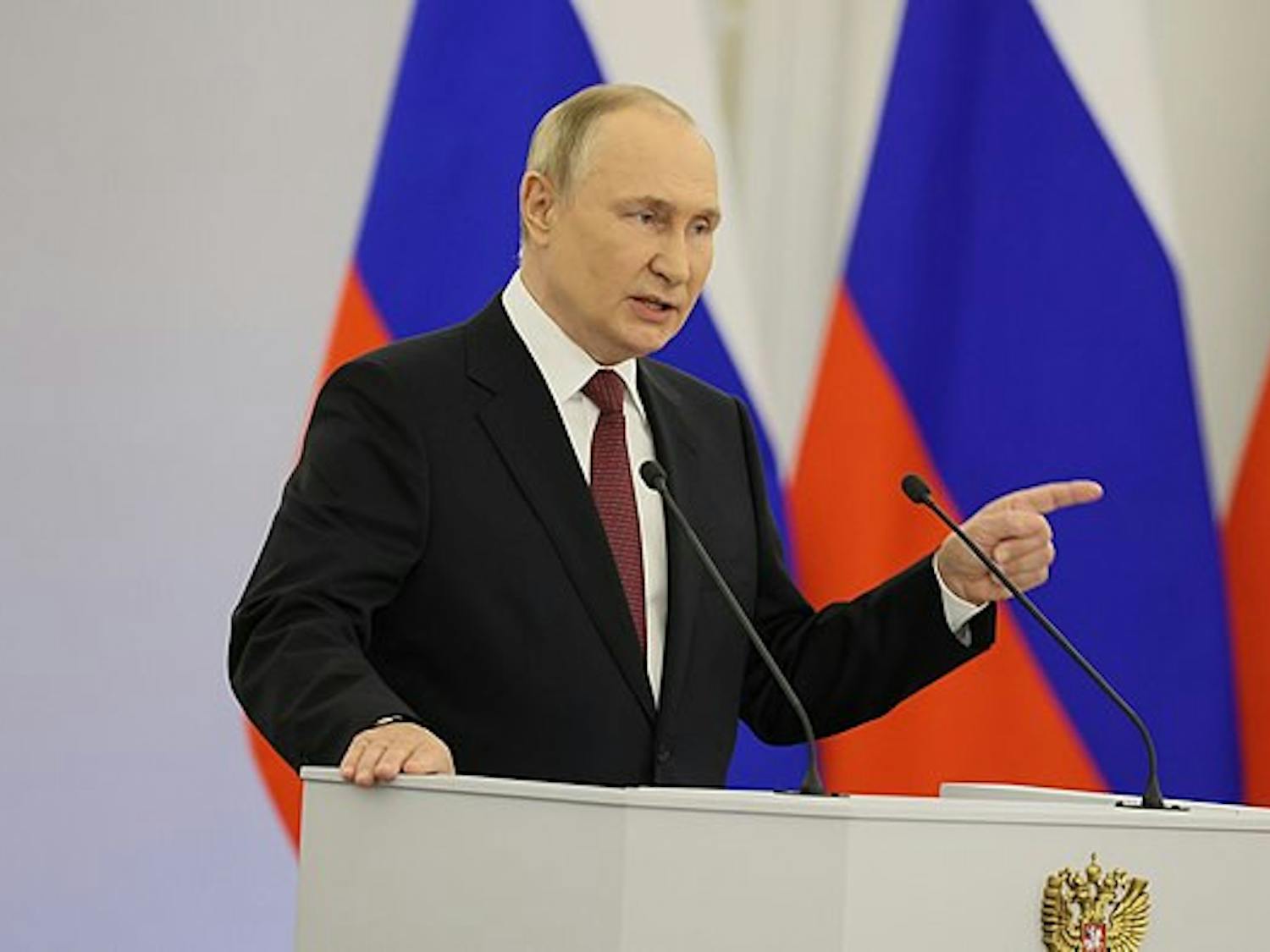
Fans of the 1983 blockbuster “WarGames” will likely recall the game-turned-reality threat of “Global Thermonuclear War.” I do not in any way look forward to nuclear war, yet, in today’s current international climate, we are advancing dangerously close to such a case. It is evident from recent rhetoric and conflicts in the Russia-Ukraine War that Russian President Vladimir Putin could likely detonate a nuclear weapon, but this fact seems to be largely ignored by mainstream media.
Op-ed submissions are an integral part of our connection with you, our readers. As such, we would like to clarify our guidelines for submitting op-eds and what you can expect from the process.
Read More
