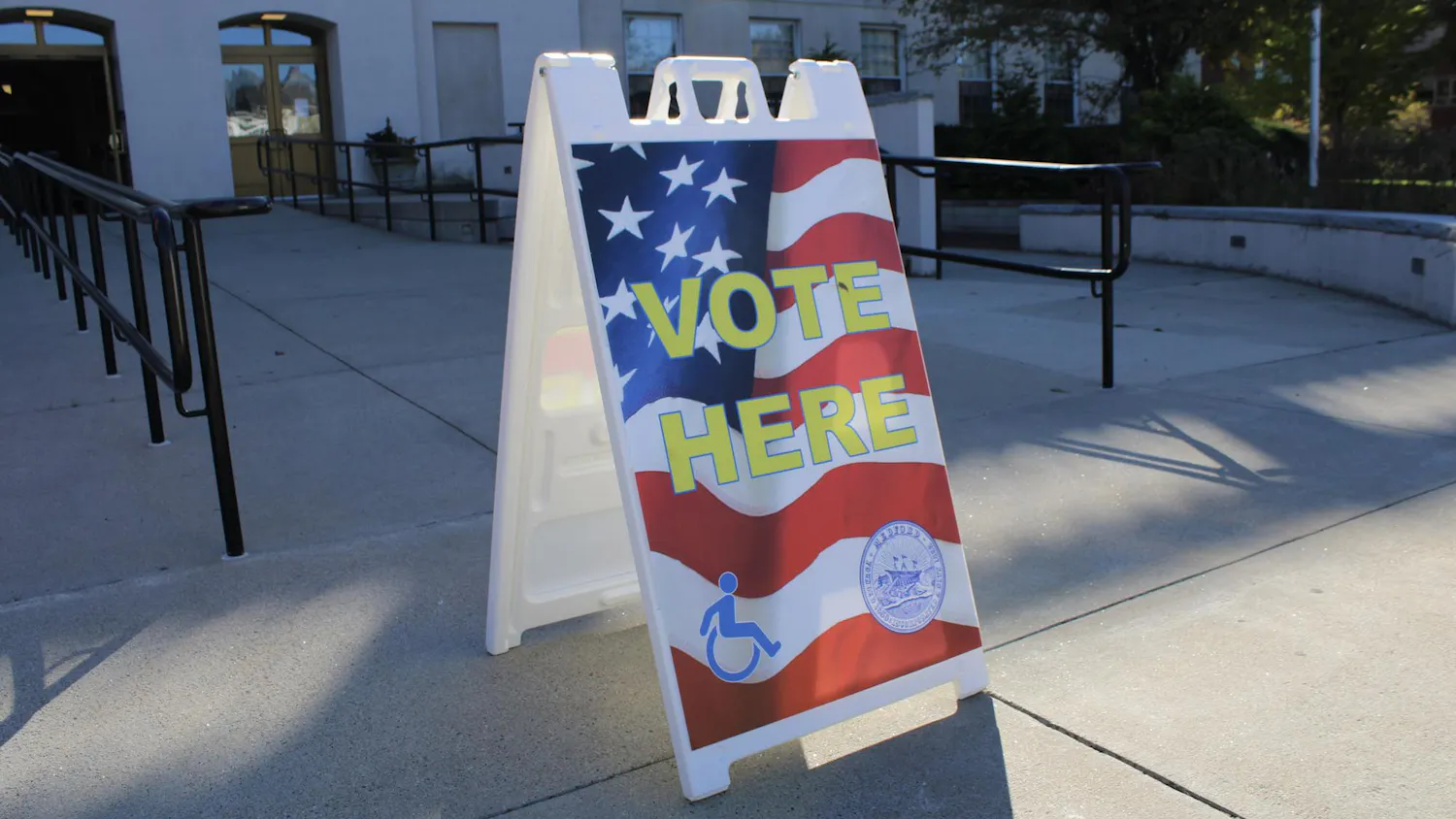
In advance of Wednesday's election, 13 freshmen last night made their pitches to represent the Class of 2014 in the Tufts Community Union (TCU) Senate in Hotung Café.
Lia Weintraub, Andrew Hunter, John Asare, Josh Youner, Jesse Wang, Joe Thibodeau, Christie Maciejewski, Chris Ghabdan, Sofia Shield, Allie Can Lei, Joe Donenfeld, Patrick Bressette and Laura Lasko are each seeking one of the seven Senate seats allocated to the freshman class.
With less than a month of campus life under their belts, many of the candidates have already generated ideas to improve Tufts.
Several candidates said that improving common rooms in the dorms and installing hand dryers in dorm bathrooms were worthy projects to pursue.
Candidates also cited improving communication between the administration, the Senate and the student body as an important objective.
The candidates delivered opening statements and answered questions from Tufts Elections Commission (ECOM) or from the audience.
TCU Vice President Tomas Valdes, a senior, said that he is excited by this year's array of candidates. "I am really motivated by their energy and can't wait to have those seven seats filled," Valdes said.
Freshman Jacob Wessel, who attended the event, said the forum was a good introduction to the candidates' leadership styles.
"You could tell which ones were being more upfront than others," Wessel said. "You could get a feel for the person."
The candidates spoke to an engaged Hotung crowd of more than 30 students. "The turnout was great," Valdes said. "I was really happy to see so many freshmen interested in what the candidates had to say."
"The candidates were very articulate, very clear in their ideas for the student body," freshman Kwame Firempong, another forum attendee, said.
A panel discussion on the community representatives referenda, which will also be voted on Wednesday, followed the candidates forum.
Two panelists introduced each proposition and answered questions from the audience.
Charles Skold and Senator Nadia Nibbs, both seniors, spoke for Referendum 3, and senior Ian Hainline and sophomore Yulia Korovikov, both senators, spoke for Referendum 4. TCU Parliamentarian Dan Pasternack, a senior, answered clarifying questions about the implementation of both proposals.
Korovikov voiced concern that the broader population would not be sufficiently informed about the issues facing minority groups to elect community representatives. She was referring to Referendum 3's proposal that community representatives be elected through a school-wide vote.
"Centers like the Africana Center have very specified needs and the people that are involved there are very educated on those needs, and I'm very wary that a school-wide election wouldn't reach the level necessary," Korovikov said.
Nibbs disagreed, however, and said that the entire student body should be responsible for electing the community representatives because they handle issues that concern all students.
"Half of the student body doesn't know where to fill out a bias incident report," Nibbs said. "The community rep should provide that kind of information for every single student on campus."
Pasternack said that both proposals would require making changes to TCU bylaws before they can be fully implemented.
"Those bylaws will be drafted in open meetings," Pasternack said.
"Most likely they'll be drafted by me, but with a lot of input from anybody who would want to contribute," he added.