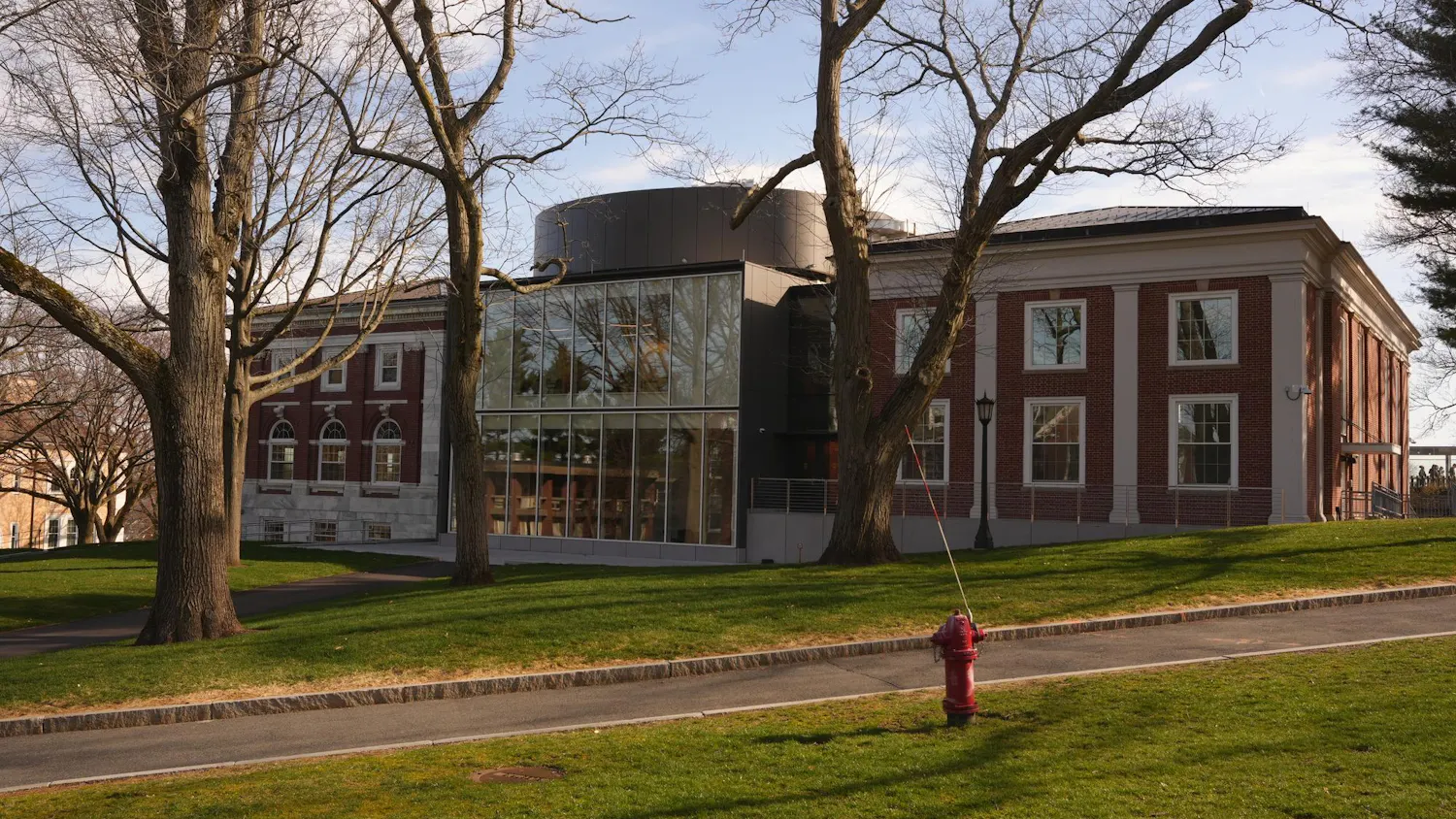
The Experimental College (ExCollege) on March 25 officially announced its expansion of the Perspectives program to include a wider variety of topics related to media culture, as opposed to focusing on just film?based courses as the program has since its creation 20 years ago.
The ExCollege will also now allow teaching a Perspectives course to count for the Capstone Senior Project for rising juniors and seniors minoring in Communications and Media Studies (CMS), according to Director of the CMS Program Julie Dobrow.
The decision to expand the program was a result of insufficient student interest in teaching a class for the Perspectives program in the past couple of years, although interest in taking a Perspectives classes has remained high, according to Associate Director of the ExCollege Howard Woolf.
Last year there were six groups that applied to lead [Perspectives courses], he said. The year before that there were about ten groups, and the year before that there were about 12 to 15 groups.
Woolf added that this year initially only three groups applied to teach a course for next fall, and this drop in number was sufficient grounds for the ExCollege staff to convene to determine how to address the failing student interest in teaching.
Director of the ExCollege Robyn Gittleman, Program Assistant of the ExCollege Beky Stiles and Assistant Director of the ExCollege Cindy Stewart were also involved in the decision to expand the Perspectives program, according to Woolf.
Woolf said that to apply, a student only needs a theme or idea for a course. From there, Woolf assists in building a syllabus and outlining a plan to build the course. Stewart said that the additional applications submitted this year to teach classes reflect the changing nature of media and the world, and the ExCollege has received six more applications since its March 25 announcement.
A natural progression of film has already happened in the real world, and the program would finally be reflecting that, she said. There are all sorts of other permutations of people telling stories using visual media, from YouTube to photography.
Stewart added that this expansion will allow students to expand their understanding of film and media and be able to view the material through a critical lens.
Media is so much more integrated today, Dobrow said. Media does not just mean film anymore. It just made sense to open [this definition] up for the Perspectives courses.
Kaveh Veyssi, who is minoring in CMS, said he applied to teach a Perspectives class a few days after the expansion was announced to fulfill the CMS Senior Project.
Teaching a Perspectives course would be a great opportunity for me to research a topic that I am interested in pursuing as a career, Veyssi, a junior, said.
Veyssi added that he always had an interest in teaching as a way to improve both leadership and communication skills. He said that he thinks it was important for the Perspectives program to make this expansion for its survival.
Its important that we realize how our media is changing, he said. Although films still play a big part in our culture, its important to speculate at how social media and new media have affected our generation.
According to the ExCollege website, the Perspectives program was established in 1988, and the program was originally instituted to offer an alternative option for advising to incoming students.
In addition to the critical analysis, Perspectives can do a lot of skill building that can help serve both at Tufts and after Tufts, Stewart said.