
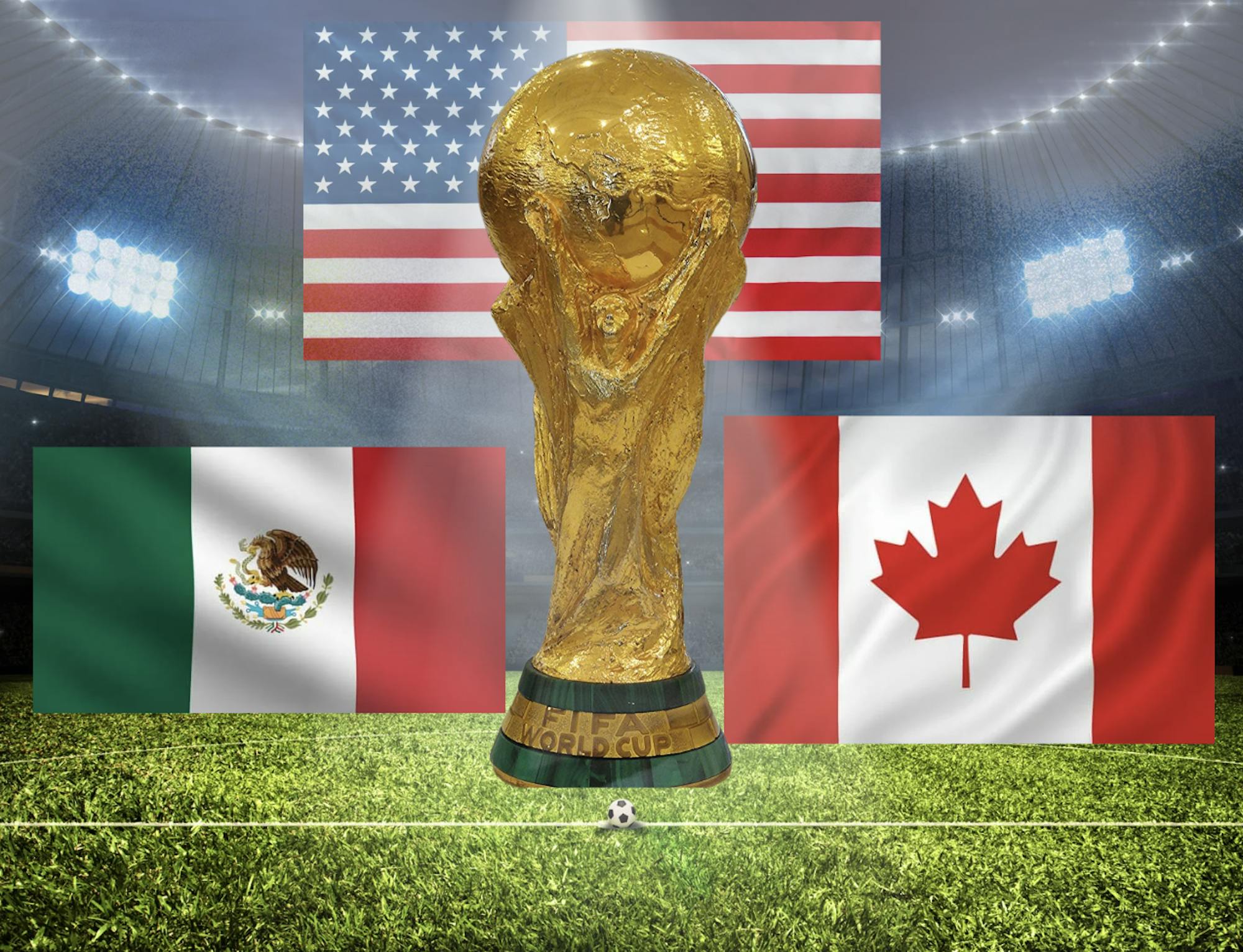
After German politician Jürgen Hardt raised the possibility of Germany boycotting the World Cup, Oke Göttlich, a vice president of the German Football Association, publicly expressed his support for the idea. Against the backdrop of growing tensions between the United States and Europe — discernible during the World Economic Forum Annual Meeting in Davos — both figures argue that a boycott could be justified by concerns over European autonomy and the threat posed by the United States.
Göttlich questioned the consistency of Germany’s stance on politics in football. “The 2022 World Cup in Qatar was too political for everyone, and now we’re completely apolitical? That really, really bothers me,” he said in an interview with the Hamburger Morgenpost. His remarks suggest frustration with what he sees as selective outrage and double standards in how political issues are addressed in international sport.
A German boycott would have a major impact on the tournament. Germany is a four-time World Cup champion, most recently winning in Brazil in 2014, and its absence would significantly diminish the competition’s prestige. Despite the attention such a move would generate, it would likely face resistance both within Germany and across Europe.
France, in particular, has firmly rejected the idea of a boycott. Marina Ferrari, France’s sports minister, emphasized the importance of keeping sport separate from politics.
“As it stands now, there is no desire from the ministry for a boycott of this great competition. I am one who believes in keeping sport separate from politics. The World Cup is an extremely important moment for those who love sport,” she said.
Whether Germany, or any other nation, ultimately decides to boycott remains uncertain, especially given recent U.S. policy positions and international reactions to them. It is also important to note that resistance does not come only from governments. Ahead of the 2022 World Cup in Qatar, German players protested working and human rights conditions surrounding the tournament’s preparation, though the national federation ultimately ruled out a boycott.
The current debate surrounding a potential German boycott is not unprecedented. Throughout World Cup history, nations have repeatedly used absence to challenge FIFA’s political decisions.
After winning the first World Cup in 1930, Uruguay boycotted the 1934 tournament in Italy to protest European nations that had refused to travel to South America in 1930. Their absence made them the only defending champions ever to not defend their title.
The 1938 World Cup, held just over a year before the outbreak of World War II, saw several nations pull out as political tensions escalated. Austria withdrew after being annexed by Nazi Germany in March 1938, which dissolved the Austrian state and its national team. Spain did not enter due to its civil war, while Japan withdrew as a result of its ongoing invasion of China. Argentina and Uruguay also withdrew, believing that the cup should have been hosted in South America.
India qualified for the 1950 World Cup but withdrew due to disagreements over team selection, a lack of preparation and prioritization of the Olympics. The famous ‘barefoot ban’ story, which claimed India was denied participation because players competed barefoot, is overstated. Administrative reasons were far more decisive.
All African nations boycotted the 1966 World Cup qualifiers after FIFA allocated Africa no guaranteed finals spot. The protest succeeded, and FIFA later awarded Africa and Asia automatic places, reshaping global representation.
The Soviet Union refused to play a qualifier in Chile’s Estadio Nacional, which had been used as a prison camp after Pinochet’s coup. FIFA awarded Chile a forfeit win despite the concerns over human rights abuses.
Hopefully, this World Cup avoids boycotts and instead reflects an improvement in diplomatic relations between the United States and European nations.



