William Shakespeare is, arguably, the most influential writer in history, with lines that have been parroted both in and out of the context of his plays for centuries. “Hamnet” is a testament to the timeless power of Shakespeare — for the long-cliched words “To be, or not to be,” somehow feel as fresh onscreen in 2025 as they must have onstage at the start of the 17th century. “Hamnet” is the newest film from director Chloé Zhao, based on the novel of the same name by Maggie O’Farrell. It is a work of historical fiction about the life of Shakespeare, focusing on his wife and children rather than his work.
“Hamnet” features Academy Award nominees in its leading roles — Paul Mescal plays Shakespeare and Jessie Buckley plays Shakespeare’s wife, Agnes (based on the historical Anne Hathaway). Together, Mescal and Buckley portray a compellingly naturalistic relationship between Shakespeare and Agnes. Their love story moves fast in the first section of the film, but despite this quick pace, it does not feel forced. There is an alternation of intensity in Mescal and Buckley’s performances that balances out nicely and lends itself to the believability of Shakespeare and Agnes’ bond. “Hamnet” takes their relationship very seriously, but there is enough playful banter to solidify the couple’s chemistry.
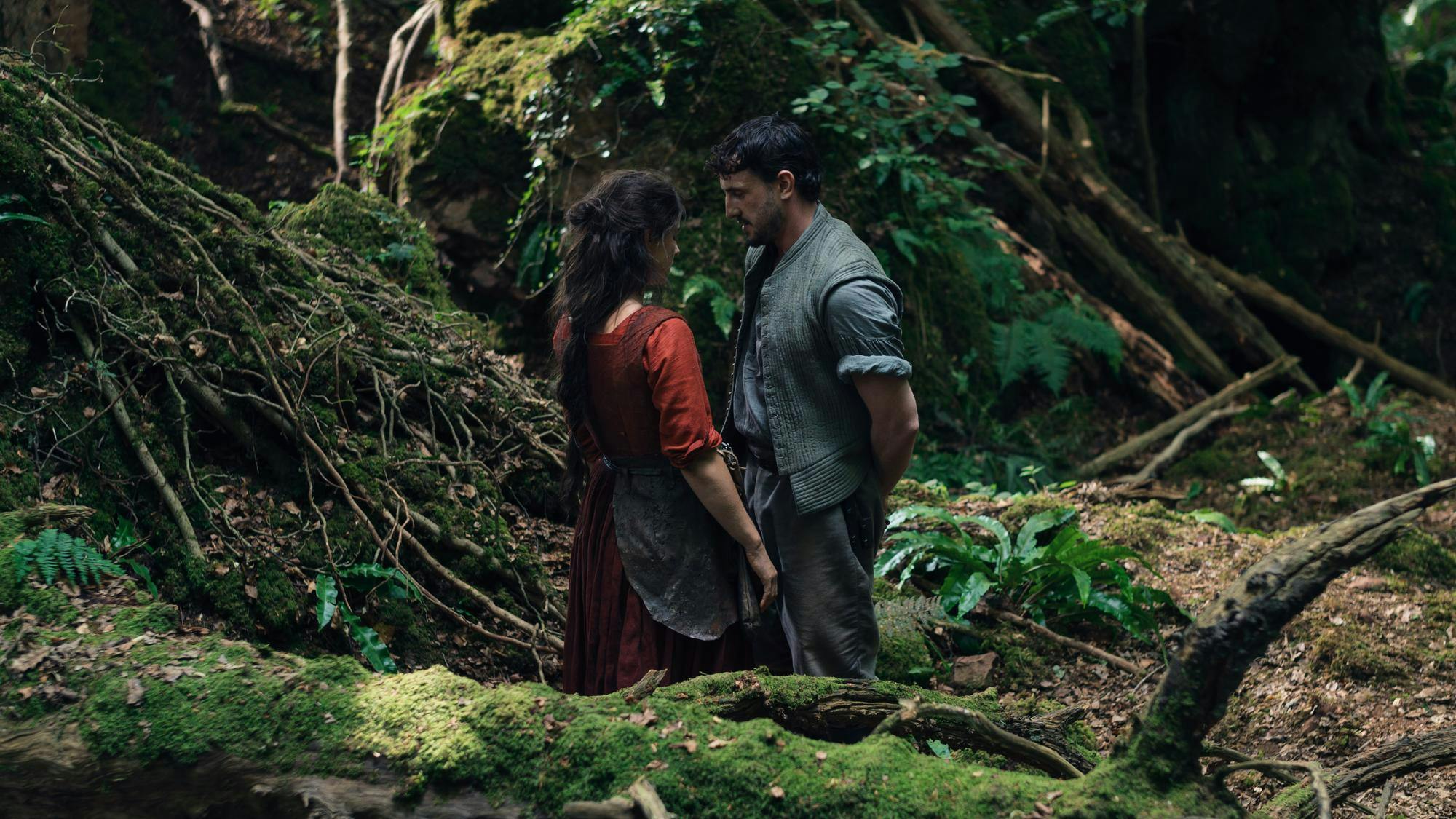
As far as family dramas go, “Hamnet” is an impressively artsy one. This aesthetic vision is demonstrated primarily in the film’s framing of Shakespeare’s hometown, Stratford-upon-Avon. Some of the film takes place in the lush nature surrounding the village, with vibrant, languid shots of the forest and the sky. “Hamnet” seems at ease with its surroundings, which makes the film feel like it has been transported back in time. The initial emphasis on place further immerses the audience in the story of “Hamnet”, priming them for the devastating emotional turns to come.
The connection that Agnes has to nature is a driving force in the film. She is rumored to be a witch’s daughter, and accordingly there is a mystical quality to her interactions with the environment. Since “Hamnet” sees nature as sacredly as Agnes does, her perspective meshes well with the film as a whole. The quiet spiritual reverence of “Hamnet” gives the story another layer of intrigue, transcending the historical.
The family unit at the film’s center consists of Shakespeare, Agnes, and their three children – eldest Susanna (Bodhi Rae Breathnach) and twins Judith (Olivia Lynes) and Hamnet (Jacobi Jupe). The dynamics between parents and children are wholesome and light, endearing the audience to the Shakespeare family’s life. Jacobi Jupe stands out as the titular Hamnet, his bright, earnest performance making Hamnet the perfect, charming little son — and a tragic loss. As the family continues to settle into a mostly idyllic, peaceful routine, there is an encroaching feeling of doom.
The death of Hamnet feels predestined due to both Agnes’ slanted intuition and the title of the film itself. Nevertheless, it is shocking when young Hamnet dies a painful, plague-stricken death. The sequence leading up to his passing is by far the film’s most visceral, with the frantic swing of the camera complimenting the actors’ palpable portrayals of agony.
When Agnes and Shakespeare grieve Hamnet after his death, Buckley and Mescal shine. Their powerful performances represent two sides of the same tortured parent coin — wholly wrecked by guilt and despair, angry and rather distant. “Hamnet” makes the audience grieve with them, sparing no guttural screams or sobs. This grief is translated into Shakespeare’s writing of the play “Hamlet.” This is the fictional heart of the story — the idea that Shakespeare wrote “Hamlet” to process the premature death of his son.
The film ends with a production of “Hamlet” at the Globe Theatre in London. This synthesizes Shakespeare’s famous work with the mystic, symbolic and thematic elements of the film. Suddenly, every line in “Hamlet” is forcibly seen through the lens of Hamnet’s death. The set mirrors the familiar forest of Stratford, and Hamlet (Noah Jupe) has his hair lightened to better resemble the late Hamnet. At first, this meta representation is uncomfortable, but then it breaks through. The realization that Shakespeare is playing the ghost of Hamlet’s father on stage is achingly beautiful, allowing the story to end on a melancholic rather than tragic note. Thus, “Hamnet” releases Shakespeare, Agnes and Hamnet himself from the shackles of the narrative.