
In the 2024 presidential debate between former President Joe Biden and President Donald Trump, it became clear that political discourse in America had fully merged with internet culture. Within minutes of the debate’s broadcast, TikTok and X were flooded with short clips. Biden’s frail voice and empty-eyed stare sparked jokes about him needing “a cough drop,” an energy drink or even Adderall, with one user quipping, “They accidentally injected Biden with ketamine instead of adrenaline.” Memes compared his expressions to a dog caught misbehaving or someone seeing ghosts.
Trump, meanwhile, became a target for mockery over vague or provocative comments, like blaming former House Speaker Nancy Pelosi for the Jan. 6, 2021, attack or claiming migrants were “taking away” Black and Hispanic jobs, sparking memes imagining how one might search for a ‘Black job’ on LinkedIn. The debate was supposed to be an important and informative exchange between two presidential candidates. Instead, it was raw material for entertainment. The comment sections were filled less with political discussion and more with humor — people weren’t debating who ‘won,’ but who was more of a joke.
This debate underscored a larger truth about the current state of American politics: It no longer lives primarily on television screens or in post-debate analysis by pundits. It will forever live in the world of the internet, where ordinary users serve as editors, comedians and commentators all at once. The audience doesn’t just consume politics — it reshapes it. And sometimes, that means politics becomes a joke.
This phenomenon unfolded in New York this past month. If the Biden-Trump debates revealed how national politics could be reduced to a meme, the 2025 New York City mayoral debate confirmed that the same logic now governs local races as well.
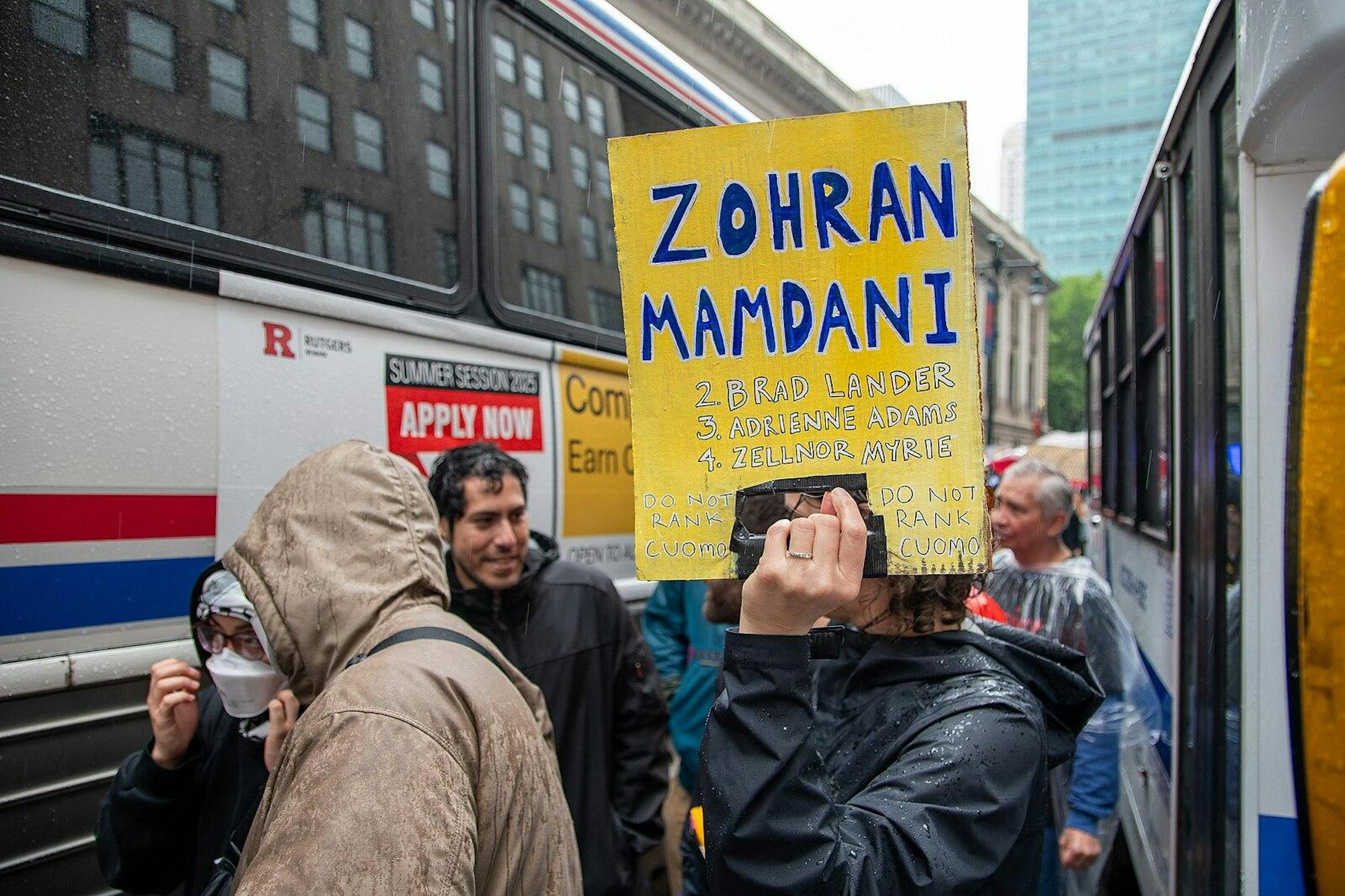
The mayoral debate was meant to be a serious policy exchange between candidates Zohran Mamdani, Andrew Cuomo and Curtis Sliwa. However, it quickly turned into nothing more than a joke, where each candidate brought their own distinct brand of meme-worthy moments: Sliwa’s reference to being shot five times, Cuomo’s relentless attempts to cut Mamdani down, Mamdani’s steady, composed demeanor that stood in stark contrast to the surrounding chaos. Social media users reenacted moments, added captions and layered dramatic music over everything.
Sliwa, whose decades-old shooting while entering a stolen taxi in Manhattan became his political persona, was the clearest example of this phenomenon. During the debate, his personal story unintentionally became a running joke. Regardless of the topic, Sliwa repeatedly found ways to steer the conversation back to the shooting. Social media quickly filled with memes and skits mocking how he would randomly bring up dramatic moments — like being shot — no matter the topic. TikTok users recreated the debate, exaggerating his habit of steering every answer back to his own story. His personal anecdote, meant to show resilience, ended up turning into a punchline.
If Sliwa played the role of comic relief, Cuomo played the antagonist. Having spent a few years out of the political spotlight following his resignation as governor amid sexual harassment allegations, Cuomo returned to the stage determined to prove that experience still carried weight. Unfortunately, his aggression became his undoing. Throughout the debate, he interrupted Mamdani, dismissed his points and launched a series of attacks on his résumé. “You have never had a job,” Cuomo snapped at one point. It didn’t land the way he expected. People online started making videos recreating the debate, exaggerating Cuomo’s interruptions and his aggressive back-and-forth with Mamdani. TikTok users acted out the moment, mocking Cuomo’s intensity while showing Mamdani staying calm, turning the confrontation into a kind of online parody. In these videos, Cuomo’s attempts to assert authority just made him look desperate and sound silly.
Cuomo’s strategy backfired during a heated exchange about experience and integrity. After the former mayor attempted to portray Mamdani as inexperienced, Mamdani responded, “What I lack in experience I make up for in integrity — and what you don’t have in integrity, you could never make up for in experience.” The exchange quickly circulated online. Clips of the moment were shared widely, often edited with music or visual effects, turning Mamdani’s measured response into a widely recognized highlight of the debate.
The 2025 NYC mayoral debate showed how deeply politics has become tied to the internet. What happens on stage no longer stays there — it’s broken down, rewatched and reshaped online. Mamdani’s calm presence fit naturally into the internet’s rhythm, turning him into an easy protagonist for memes. Cuomo’s more aggressive approach didn’t land the same way. His attempts to control the conversation only made him part of the joke. Social media didn’t just amplify moments: It reframed how voters perceive candidates. Clips, GIFs and parodies can outlast speeches or policy proposals, turning fleeting gestures into lasting impressions. A single awkward pause, a sharp rebuttal or an exaggerated facial expression can define a candidate’s public image more than their entire platform. The debate highlighted that online audiences define politics these days — they interpret, satirize and circulate content, shaping narratives in ways campaigns cannot fully control.
To be honest, you didn’t even really need to watch the debate –– social media would have informed you of everything you needed to know anyways.
The meme-ification of debates showcases how campaigns now depend less on experience or policy and more on whether a candidate can survive — and maybe even thrive — within the internet’s ever-changing landscape. Mamdani’s ability to lean into that culture worked to his advantage, lending him public favor. Cuomo’s missteps showed how easily authority can collapse into parody. In the end, the debate wasn’t just about who could lead New York City. It was also about who could handle being turned into content.



