
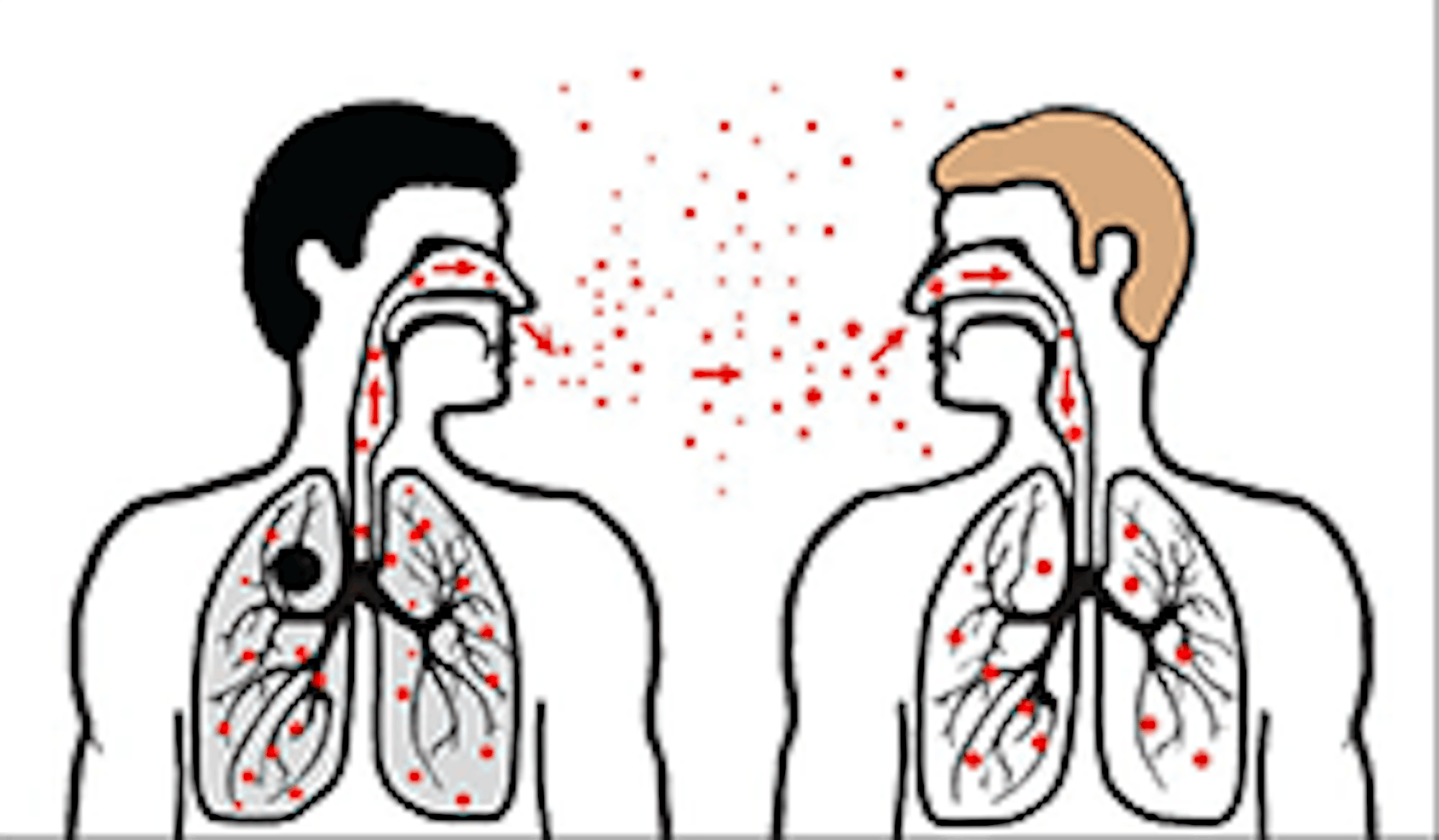
College campuses are uniquely efficient environments for spreading infectious diseases. Students live in close quarters, share dining spaces, attend crowded classes and frequently exchange drinks, utensils or vapes — all behaviors that accelerate viral and bacterial transmission. Because of these conditions, illnesses such as strep throat, infectious mononucleosis, norovirus and oral herpes tend to circulate widely among young adults. Understanding how these diseases spread, what symptoms to monitor and how to prevent outbreaks is integral for the protection of students’ individual health and the wellbeing of their campus communities.
Streptococcus
Streptococcal pharyngitis, commonly known as strep throat, is a bacterial infection caused by Streptococcus pyogenes, or Group A Streptococcus. It spreads through respiratory droplets when infected individuals cough, sneeze or share beverages, which are all common occurrences in lecture halls and dorms. Transmission is particularly effective in winter months, when viral illnesses also circulate and students spend more time together indoors.
Symptoms of strep throat tend to appear quite suddenly and may include fever, painful swallowing, swollen lymph nodes and white patches on the tonsils. Because strep is a bacterial infection, antibiotic treatment with drugs like amoxicillin or penicillin is required to prevent more severe complications such as rheumatic fever or peritonsillar abscesses. Public health guidelines emphasize completing the full antibiotic course, avoiding shared utensils and replacing toothbrushes right after diagnosis. Students with strep should stay home from classes until they don’t have a fever, and at least 12–24 hours after starting the appropriate antibiotic therapy.
Infectious Mononucleosis
Infectious mononucleosis, commonly known as mono, is caused primarily by the Epstein-Barr Virus, a herpesvirus infecting roughly 90% of the population worldwide. Researchers first linked Epstein-Barr Virus to mononucleosis in the 1960s by studying blood samples from university students, who were experiencing unusually high rates of the illness. This early campus-based research remains central to how mononucleosis is diagnosed today.
Mononucleosis spreads through contact with an infected person’s bodily fluids making kissing, sharing drinks, utensils and vapes major transmission routes.
Symptoms of mononucleosis include extreme fatigue, fever, sore throat, swollen lymph nodes and, in more severe cases, an enlarged spleen. Fatigue can last for weeks or months, often disrupting academic performance. Students with enlarged spleens are advised to avoid contact sports to prevent rupture. Treatment is supportive, focusing on hydration, rest and anti-inflammatory medication.
Norovirus
Norovirus is one of the most contagious viruses found in group-living environments and is the leading cause of acute gastroenteritis outbreaks in the United States. Ingestion of as little as 10 virus particles is sufficient to produce infection in a healthy individual. Dorms, dining halls and shared bathrooms are especially vulnerable, as norovirus spreads through contaminated surfaces, food, water or direct contact. The virus can survive on surfaces for days.
Symptoms begin abruptly and often include vomiting, diarrhea, stomach pain and dehydration. Shared restrooms and kitchens enable rapid transmission, sometimes infecting entire residence hall floors. Prevention requires proper handwashing with soap, since sanitizer does not reliably kill norovirus, and disinfecting surfaces with bleach-based cleaners. Infected students should isolate for at least 2–3 days after symptoms stop to prevent additional spread, as the highest virus concentrations are still present for 72 hours after symptoms subside.
Herpes Simplex Virus 1
Oral herpes, caused by Herpes Simplex Virus Type 1, is one of the most widespread viral infections globally. Between 50% and 80% of U.S. adults carry HSV-1, and first symptoms often appear in adolescence or early adulthood. The virus spreads through oral-to-oral contact like kissing, but can also spread through sharing items like drinks, lip balms, utensils, cigarettes or vapes. Oral-genital transmission is also possible, so HSV-1 can cause genital infections as well.
Symptoms may include painful cold sores or blisters, though many infected individuals experience no visible symptoms. A common misconception among college students with oral herpes is that the virus is not transmissible unless the individual has an open sore. However, HSV-1 can be transmitted even when no cold sore is present, due to asymptomatic viral shedding. This viral shedding, coupled with a misunderstanding of transmission, is one reason why HSV-1 is so widespread among college students despite attempts at prevention.
Common outbreak triggers include stress, lack of sleep, sun exposure or a change in hormones, which can happen during menstruation. Although HSV-1 cannot be cured, antiviral medications can help shorten outbreaks and reduce the frequency of recurrences. Prevention includes avoiding oral contact during outbreaks, not sharing lip products or drinks, and understanding how asymptomatic shedding contributes to the spread. Asking partners to get tested for STIs is also important, since they may be asymptomatic and unaware they have the virus.
College life offers expanded independence and community, but it also increases exposure to infectious diseases. Strep throat, mononucleosis, norovirus and HSV-1 all thrive in environments with close contact, shared spaces and frequent social interaction. Awareness of transmission routes, early symptom recognition and preventive strategies can significantly reduce outbreaks on our campus.



