
Pharmacies are cornerstones of every town and city across the U.S. — this has been the case for centuries. There’s a good reason why businesses like CVS have grown so essential: You can pop into one place for your granola bars, ADHD medications and a Valentine’s Day Snoopy toy. What could be better than that?
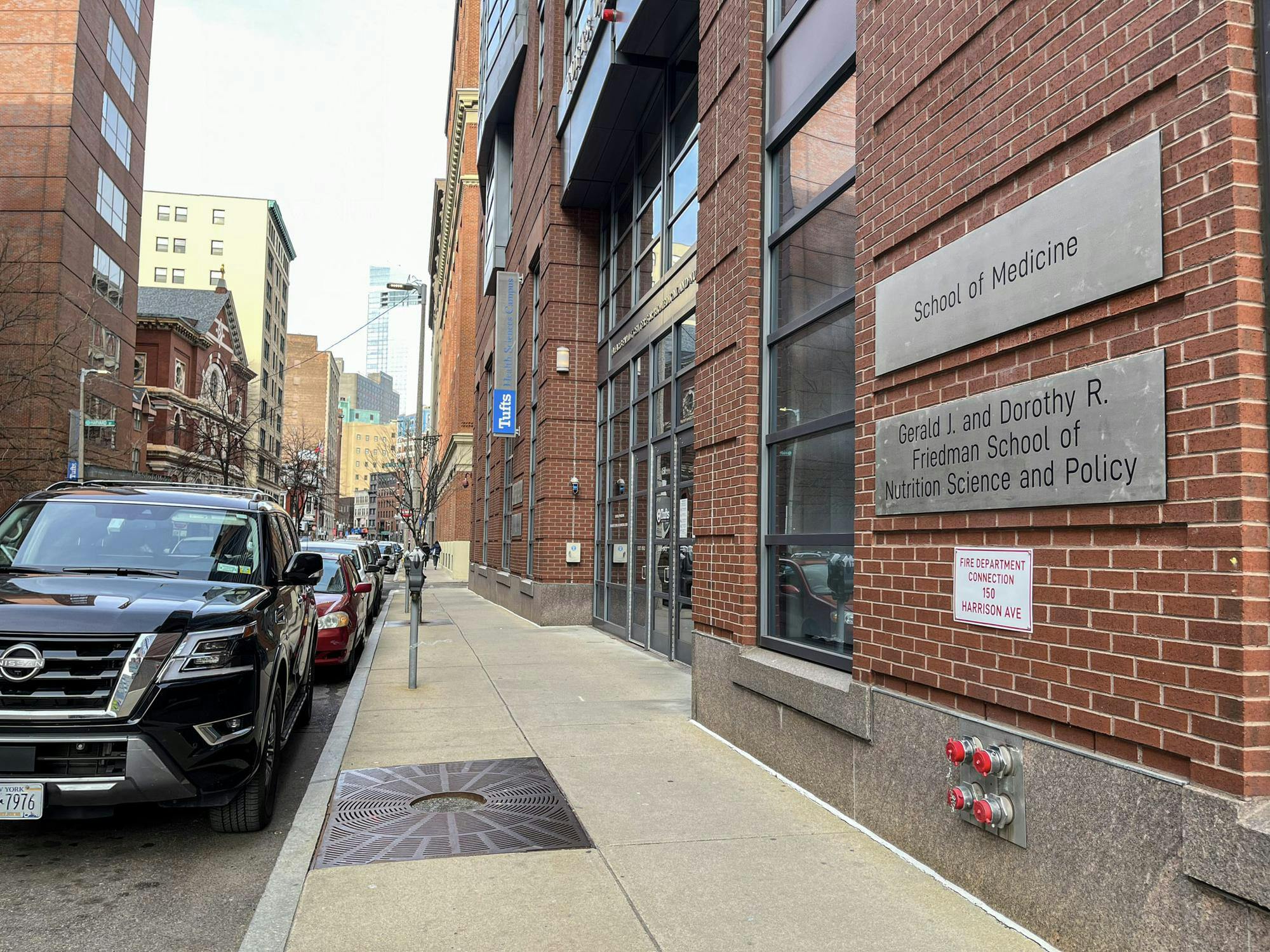
One recent way that pharmacies are evolving is with prescription produce programs. Since the 2010s, pilot programs have appeared throughout the country. Physicians partner with farmers markets, grocery stores or community centers to prescribe fruits and vegetables to patients, most of whom have a diet-related condition or live in an area facing food insecurity. Patients are then able to access fresh produce with a voucher or coupon card. At Tufts, the Friedman School of Nutrition Science and Policy has done extensive work studying these programs.
In 2023, the school published a study based on a simulation that modeled the implementation of produce prescription programs across the U.S. using national data for diabetes patients. The total estimate of health care cost savings was $39.6 billion. Now, the Food is Medicine Institute, or FIMI, at the Friedman School is putting theory into practice with its very own prescription produce program. The Institute focuses on developing food-based treatments to support health equity and prevent disease. Its latest project is a produce prescription program with a unique twist: Prescriptions are provided by a patient’s pharmacy, not by their physician. Community Pharmacies Produce Prescriptions, also known as CP3, aims to make prescriptions as easy to access as possible.
“For the most part, people see their primary care physicians once or twice a year. … However, if they have a diet-related condition … they’re interacting with their pharmacies and pharmacists much more often than they are interacting with their doctors,” Julia Sharib, manager of research and communications for the Food is Medicine Institute at the Friedman School, said.
Pharmacists can be trained to identify candidates for the CP3 program, and then patients can enroll to begin receiving vouchers from their closest locations. The FIMI has chosen to target those experiencing hypertension or type 2 diabetes. The CP3 program is currently in its experimental stages.
“Part of the newness of this study is understanding whether and how we can integrate screening and referral for a Food is Medicine program into a pharmacist’s workflow,” Sharib said.
A pharmacy customer is first identified by the store’s system as a potential candidate, then they receive a recruitment card. If they choose to join the program, they are prescreened and then given a more thorough survey and biometric assessment. With a finalized produce prescription comes a monthly stipend of $60–$90 to purchase produce at local grocery stores and, in some cases, access to a registered dietitian.
CP3 currently involves pharmacies throughout the U.S. Kroger, Hy-Vee and Walmart are all participants with locations in 10 different states. Each store has 10–15 participants, with a total of 580 individuals who have started the enrollment process and 360 who are actively receiving a prescription. The FIMI’s goal is to have an analysis of 600 participants completed by the end of 2026. Someone who has ‘completed’ the program will have obtained an Rx card and have been purchasing produce at a grocery store for six months.
As participants begin receiving their produce prescriptions, the FIMI aims to assess changes in health biometrics and access to food. Researchers will observe biometrics such as blood pressure and body mass index. They will, likewise, use questionnaires to determine if participants see improvements in nutrition security or diet quality.
After this experimental phase is over, the CP3 program will have essentially ended, and it will be up to individual pharmacies to use their experience to set up their own programs. While the FIMI is currently receiving funding from the National Association of Chain Drug Stores, success after 2026 will likely depend on state programs and what Medicaid can provide.
“The idea is that, if we could more or less prove that these programs are possible, then that gives these pharmacies the information they need to say … we know that this is worth pursuing,” Sharib said.



