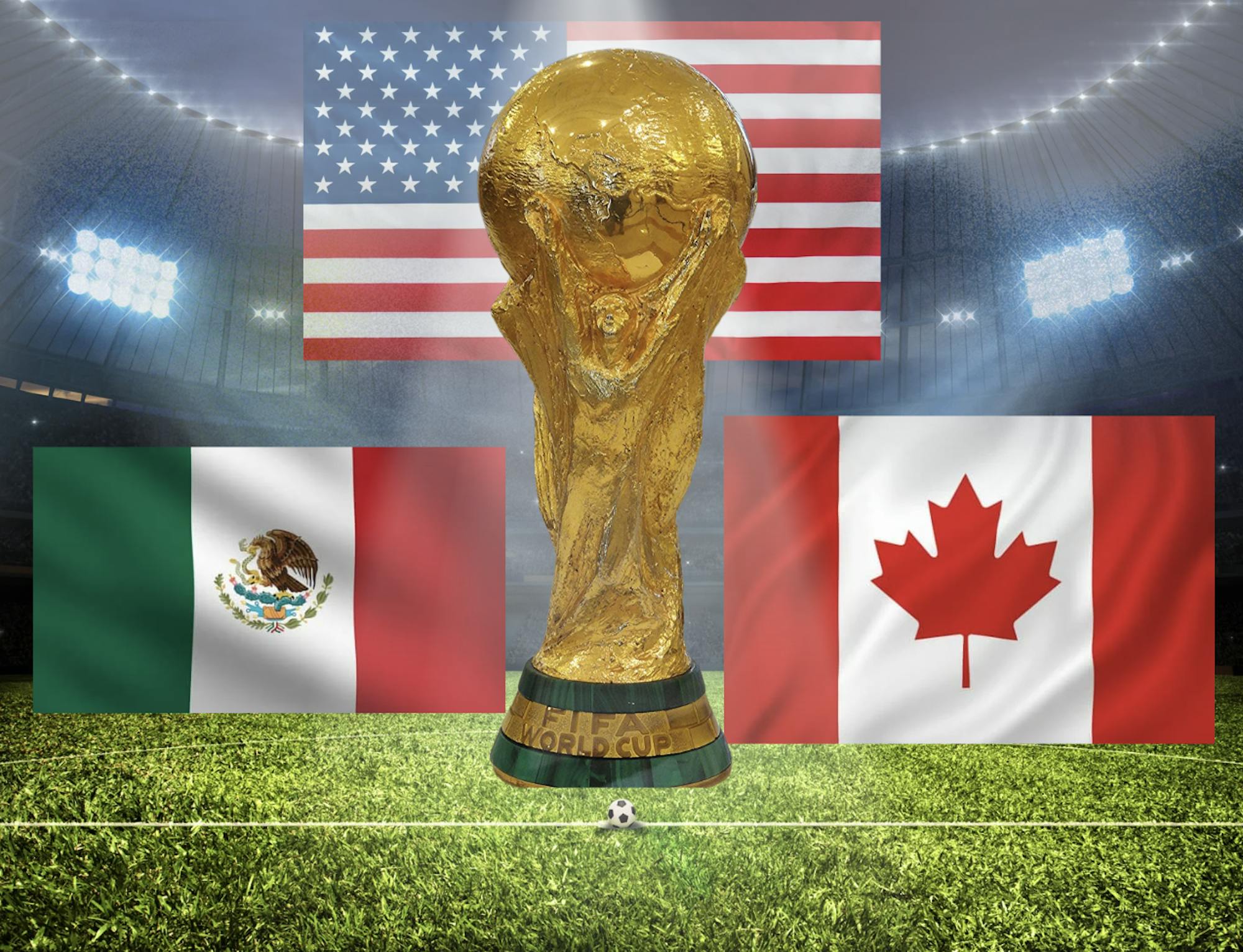
The FIFA Final Draw is complete, and if you missed it, you missed quite the show. The 2026 World Cup draw ceremony managed to pack in more unexpected moments than most tournaments deliver in their entirety. Among the notable moments: President Donald Trump receiving a freshly-created peace prize, FIFA President Gianni Infantino’s subsequent effusive praising of Trump and the actual draw being conducted by a distinguished panel of North American sports icons including Tom Brady, Wayne Gretzky, Aaron Judge and Shaquille O’Neal. Talented athletes all, though their combined professional football experience totals precisely zero.
The ceremony’s peace prize seemingly materialized overnight and was promptly awarded to one of the most polarizing figures in modern American politics. For an organization whose history includes well-documented corruption scandals, adding another headline-grabbing moment seemed almost inevitable. Perhaps most telling was the cultural translation required for American audiences, with Infantino explaining the tournament’s global viewership as equivalent to “104 Super Bowls at once.” Apparently that’s what it takes to convey the sheer scale of football’s worldwide reach.
Beyond the pageantry, the draw did accomplish its actual purpose of sorting teams into groups. The standings reveal some genuinely compelling matchups and a few groups that look downright brutal. Group L appears to be the toughest assignment, throwing together England, Croatia, Ghana and Panama in a matchup that promises to be competitive from the opening whistle. Group I isn’t far behind, featuring France, Senegal, Norway and a playoff qualifier (i.e., whichever team wins between Iraq, Bolivia and Suriname).
As for must-see group stage fixtures, Spain versus Uruguay on June 26 at Estadio Akron in Guadalajara tops my list. Brazil versus Morocco on June 13 at MetLife Stadium in New York should deliver quality football, and Colombia versus Portugal on June 27 at Hard Rock Stadium in Miami rounds out the standout matchups. The expansion from 32 to 48 teams has welcomed nations like Cape Verde and Curaçao to the world stage, teams we’re not accustomed to seeing at this level. Whether they can match the technical demands of elite international competition remains to be seen, though their presence alone adds genuine intrigue to the tournament.
And then there’s the ticketing situation, which somehow managed to generate its own controversy this week. FIFA announced they’re abandoning their dynamic pricing strategy, though what replaces it raises equally interesting questions. The real point of discussion is FIFA’s secondary resale platform, which operates without price caps and earns the organization a substantial 30% cut of every transaction. That’s 15% from the buyer and 15% from the seller, meaning FIFA collects $300 on every $1,000 resale. It’s a notable increase from previous tournaments where resale fees were capped at 10%.
Critics, including Football Supporters Europe and Euroconsumers, have characterized the approach as “revenue maximization under the guise of responding to market realities,” arguing that fans feel “excluded and exploited.” FIFA maintains they’re simply reflecting existing market practice for major entertainment and sporting events in the host countries, and that the substantial fees might actually discourage people from purchasing tickets solely for resale profit. After sustained criticism of dynamic pricing, FIFA has committed to scrapping that system for the next ticket release. Whether this represents genuine responsiveness to supporter concerns or simply a pivot to alternative revenue strategies is open to interpretation.