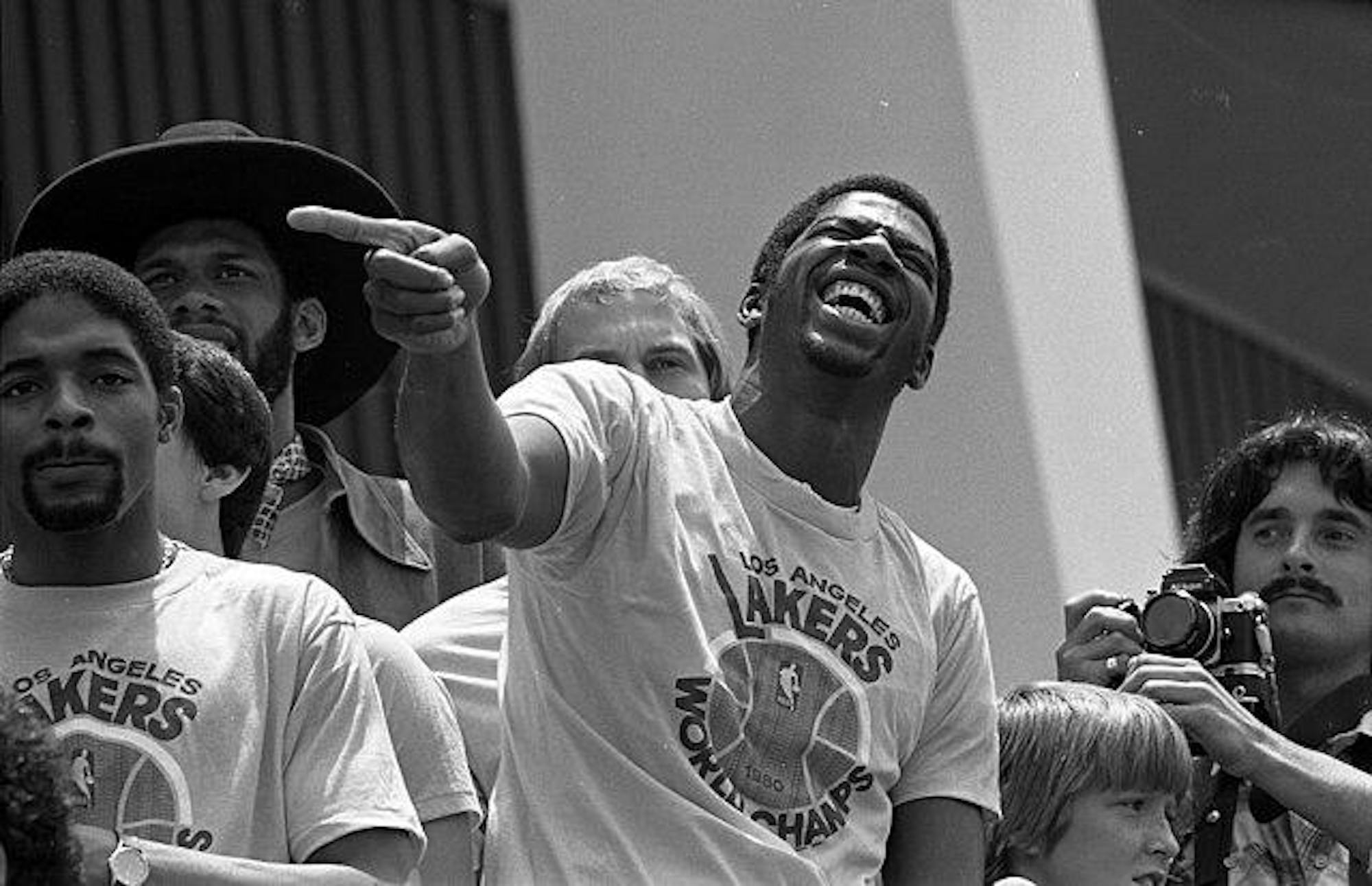
The Tufts Daily was founded in 1980, so an anniversary edition naturally invites a look back at what else was happening in the world at that moment. The 1979–80 NBA season is a great place to start — not just as a historical snapshot, but as a case study in how a league can improve itself.
1980 was a season of change for the NBA. The league was willing to experiment, new stars were reshaping its identity and the regular season felt connected to a bigger story. Looking at that moment now helps clarify what the current NBA is missing. The league has more extraordinary talent than ever, but too much of the regular season feels diluted, fragmented or strategically unserious. If I had to boil the fix down to one idea, it would be this: Take the same boldness the NBA showed in and around 1980 and apply it to today’s problems with serious structural changes.
1980s rule change lesson: Cut the season to 70 games
One of the best examples from that era is the introduction of the 3-point line. The league was willing to make a major change because it believed the game could become more interesting. That decision matters here, even if the issue today is different. The lesson is that the NBA has never improved by treating its format as untouchable.
So the current league should make one similarly bold move and shorten the regular season to 70 games.
I do not mean ‘consider it’ or ‘test a cup tournament and hope fans forget the real issue.’ I mean actually do it. Cut 12 games per team. Across the league, that removes 180 regular-season games from the schedule. That is a real reduction in wear, a real reduction in dead calendar space and a real increase in the value of each game night.
More importantly, it would let the league rebuild the schedule around quality: fewer back-to-backs, more rest between marquee games and more chances for stars to play in the games fans circle on the calendar.
If the argument against this is money, that is fair in the short term. Fewer games mean less inventory. But the NBA’s problem right now is not a lack of inventory — it is dilution. The league already has more than enough games. What it needs is a regular season that feels tighter, sharper and more worth following from start to finish.
1980 reminds us that a league can improve the product by making a dramatic change. This is the dramatic change the NBA should make now.
The pre-tanking lesson: Freeze lottery odds at the trade deadline
The tanking discussion usually gets framed like a morality debate, and I think that is part of why the league keeps struggling with it. Teams are not tanking because they suddenly forgot how competition works. They tank because, under the right conditions, losing is rational.
Tanking is widely associated with the early 1980s, especially the 1983–84 season, when the draft incentive (Hakeem Olajuwon and Michael Jordan) became so strong that intentionally losing turned into an openly recognizable strategy. The classic example is the Houston Rockets’ finish that year: a team that was 20–26 at midseason closed 9–27, with lineup decisions that looked suspicious even at the time. This was the league discovering what happens when the rules reward losing.
That is why the NBA needs one clear anti-tanking fix, and it should be this: Freeze lottery odds at the trade deadline.
Here is how it would work. On the day of the trade deadline, the standings lock in each non-playoff team’s lottery position and odds. From that point forward, a team gains nothing in the draft by losing more games. It can still miss the playoffs. It can still develop young players. But it no longer gets extra lottery benefit for turning the final six weeks into a surrender operation.
This directly targets the exact stretch of the season that now feels least trustworthy. It also avoids punishing genuine rebuilding. A bad team can still be bad — it just cannot improve its draft position by getting worse on purpose after the deadline.
This solution is narrow, practical and aimed at the real problem. It does not require the league to read minds. It does not need to prove intent. It simply changes the payoff structure. Once losing after the deadline no longer helps, a lot of the worst late-season behavior disappears on its own.
The lesson from 1980 is not that teams were more virtuous. It is that tanking had not yet been fully baked into the league’s incentives. If the NBA wants more honest basketball in March and April, it has to redesign those incentives.
The Larry Bird-Magic Johnson lesson: Build a weekly national narrative window
The other great lesson from 1980 is more on the cultural side. The arrival of Larry Bird and Magic Johnson gave the league something bigger than just star power. It gave the regular season a story people could follow. Their rivalry helped make games feel like chapters in something, not just isolated events.
That is exactly what the current NBA is missing in its broadcast setup: a consistent way to turn talent into season-long narrative stakes.
The problem is not that fans have too many ways to watch. The problem is that the experience feels fragmented — different channels, platforms, production styles and rhythms. Even when the basketball is great, the presentation often makes the league feel disconnected from itself. A league cannot build regular-season urgency if fans are constantly being asked to figure out where the stage is.
So the NBA should make one clear broadcast change: Create one league-wide, national flagship window every week, with a single consistent presentation and season-long storytelling format. The NFL has spent decades proving how powerful that kind of routine can be.
Pick one night. Make it the night. Same production identity every week, no matter which media partner carries the game. Same tone, same pacing, same emphasis on why the matchup matters in the larger season. Build pregame segments that track rivalries, playoff races and team arcs over time, so fans who tune in weekly feel like they are following a story rather than dropping into random episodes.
People do not just come back for talent. They come back for rivalries, grudges and season-long stakes. The NBA has the stars, but too often it does not have the drama — and the fragmented broadcast setup only makes that worse. If the league wants the regular season to feel alive, it needs a consistent national stage where storylines can actually build from week to week.
The NBA already has the talent to own the regular season. What it needs now is the structure to make people feel it.