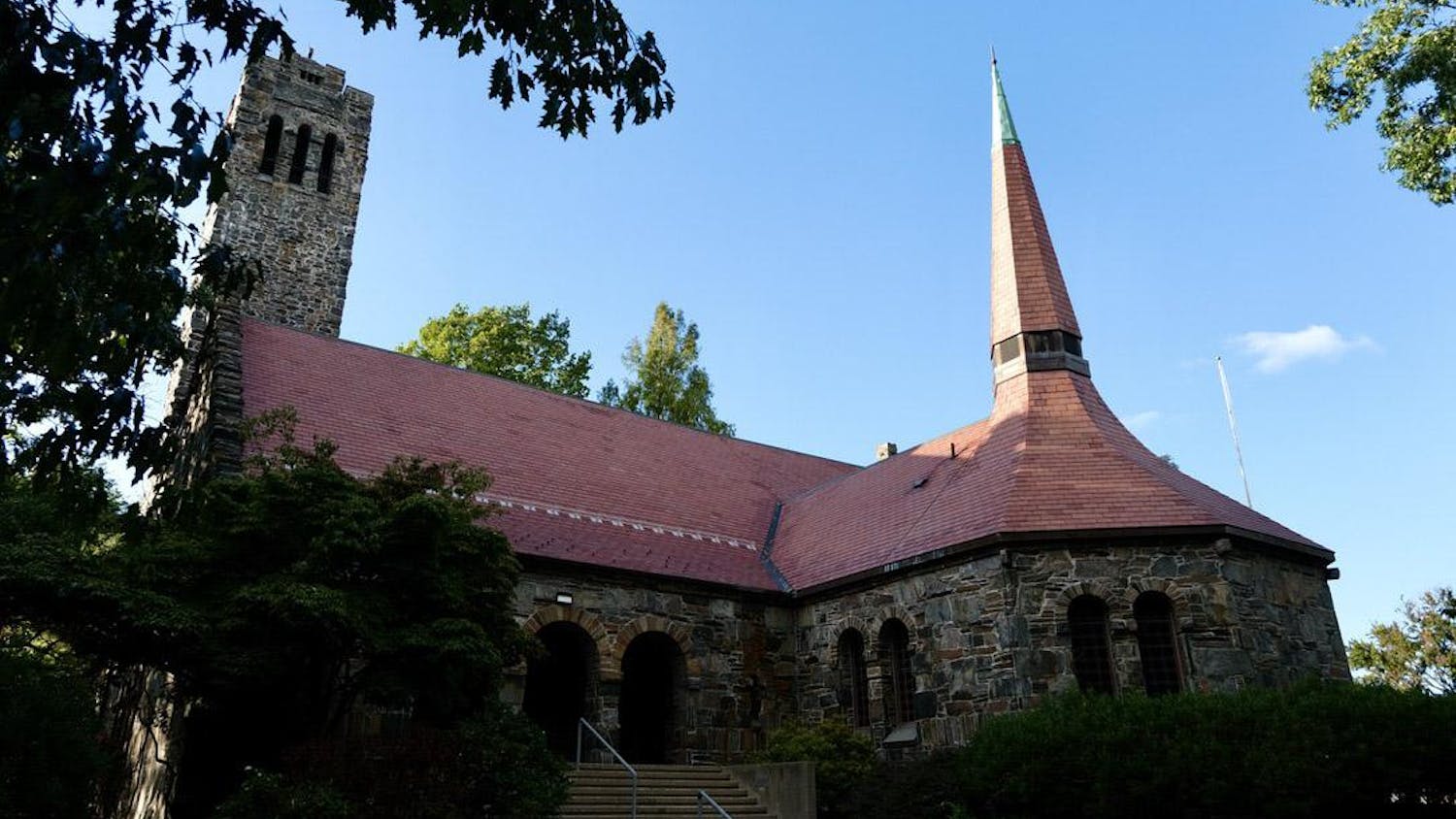
The Massachusetts Land Court upheld Somerville’s efforts to create a 26-bed, low-barrier shelter at First Church Somerville on April 6. The new shelter, hosted by the Somerville Homeless Coalition, is set to open on May 19.
Residents filed a lawsuit claiming that the shelter violated local zoning ordinances. However, the court found that the project is protected under the Dover Amendment, a Massachusetts law that limits local regulation over land use for religious purposes, allowing the church to host the shelter.
“First Church entered into the lease with the Coalition in order to fulfill the congregation’s religious mission,” the April 6 ruling reads.
While the lawsuit argued that hosting a shelter was not a religious use of the space, the decision highlighted the church’s nine-month discernment process that led it to pursue the shelter. The process included “consulting scripture and gathering in community to determine what God might be calling the congregation to do.” From this, the church concluded that operating the shelter was part of its religious mission.
“If you go to Scripture, the most important thing throughout all of the Hebrew Bible and all of the New Testament is care for the marginalized,” First Church of Somerville Reverend Jenn Macy said.
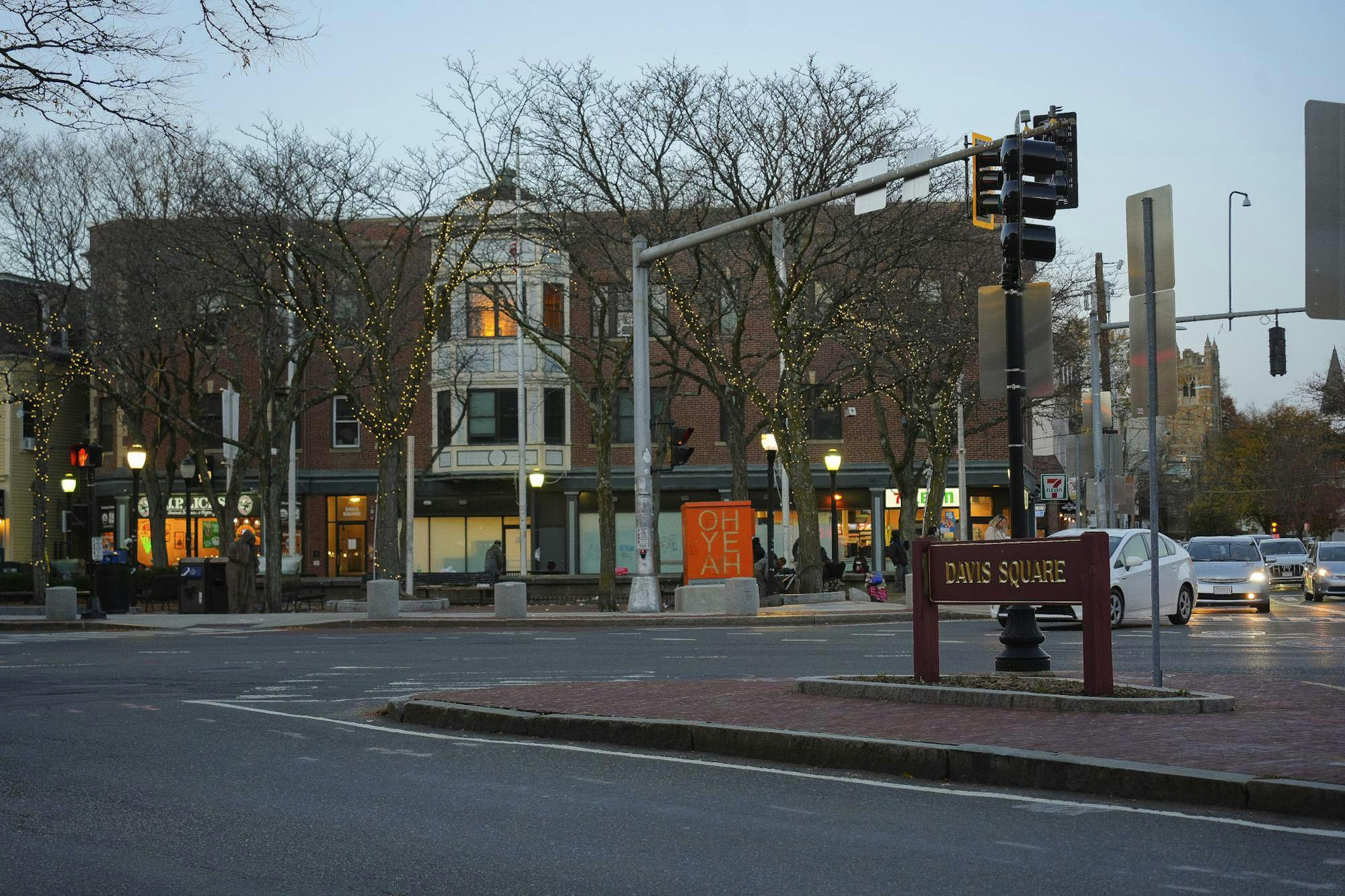
Community leaders and homeless coalition representatives expect the shelter’s opening to reduce the number of people currently sleeping outdoors in Davis Square.
“We have a number of people in Statue Park and Seven Hills Park stuck outside, and there’s a waitlist to get into the Somerville Homeless Coalition shelter as it is now,” Christopher Beland, vice president of the Davis Square Neighborhood Council, explained.
Somerville Homeless Coalition, or SHC, leadership also emphasized how the shelter will benefit the broader community beyond the individuals it serves.
“The goal is obviously to help those individuals that need that service, but a dual goal is to
support the community,” Micheal Libby, executive director of SHC, said. “We hope [the shelter] is not only impactful for each individual that is able to stay in [it], but we also hope it’s impactful for residents, neighbors [and] businesses that have been sharing their struggles.”
Residents Jane Becker and Maren Chiu, who brought the lawsuit, raised concerns about safety, increased rodents, noise and decreased property value associated with placing the shelter in a residential neighborhood. These concerns primarily stem from the shelter being low-barrier.
“Chiu and Becker testified sincerely that the reason they oppose the proposed shelter at First Church is because of its ‘low-barrier’ status,” the decision reads. “They would not oppose First Church’s hosting a shelter for families, elders, or women.”
Because one of SHC’s primary funding sources is the Commonwealth of Massachusetts, its contract with the state requires the shelter to be low-barrier. The Coalition’s existing shelter has been subject to the low-barrier entrance requirements since approximately 2023.
“People who are struggling with addiction should not [need] to have a certain amount of sobriety in order to be housed,” Macy added in support of the shelter’s low-barrier status. “There is no drug use allowed in the shelter itself, but people who are still in ongoing struggles with substance use still need places to eat and sleep that are safe so that they can get the help that they need.”
To help address concerns, SHC has developed written procedures for operating the proposed shelter, which includes content about client conduct, neighborhood safety, building maintenance and a communication plan in the event that neighbors have an issue with shelter operations.
Macy hopes the ruling in favor of the shelter will encourage other Massachusetts churches to follow suit and take an active role in providing housing for homeless people.
“We had a couple of smaller churches reach out to us when the lawsuit ruling was filed, saying that they had been sued for trying to start homeless shelters over the same issue over the Dover Amendment, but they did not have the resources to fight back,” Macy explained. “We are excited about what this ruling might mean for smaller churches.”
While setting a valuable example in the end, the lawsuit came as a surprise to SHC. It was brought by community members who had previously been closely connected to the church. Chiu and Becker both were frustrated that SHC had not involved the community more in the decision to relocate the shelter.
“Neither the Coalition nor First Church reached out to inform the neighbors of the new shelter location until a deal had been consummated and a building permit had been obtained,” the ruling reads, recalling Becker’s testimony.
Despite the concerns, the lawsuit’s delayed resolution may have had more adverse effects on residents than the shelter itself, though this will only become clear over time.
“The [projected] impact on the neighbors that live near the shelter seems to be very small or nonexistent, but the impact [on] so many people sleeping on the street in the neighborhood is huge, and it’s one of the things that people are most upset [about] right now,” Beland said.