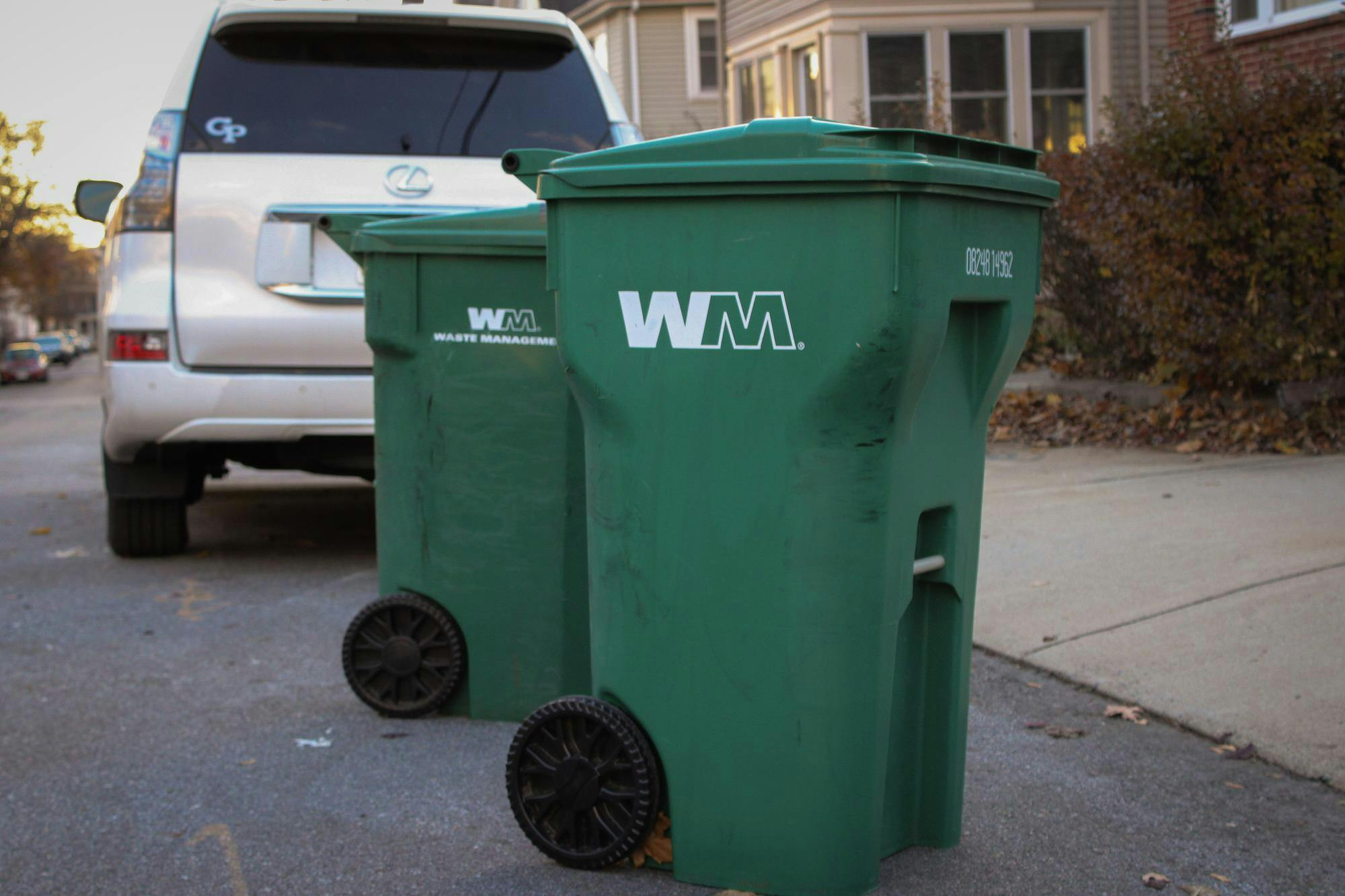
The announcement of a plan to move Medford’s trash pickup from weekly to every other week has sparked strong pushback from residents and officials, many of whom are demanding greater transparency from Mayor Breanna Lungo-Koehn.
The change was announced in a Nov. 13 press release about the securing of a $200,000 grant from the Massachusetts Department of Environmental Protection for the purchase of compost bins to support the city’s conversion to a Pay-As-You-Throw trash collection program.
Under the PAYT program, households would pay in proportion to how much trash they produce, creating an incentive to reduce waste and shift to recycling and composting.
“As of July 1, 2027, residential 64-gallon trash carts will be collected every other week along with recycling at no charge. The new baseline for trash service will equate to 32 gallons per household per week, which meets MassDEP’s service volume threshold for a PAYT program and makes Medford eligible for the PAYT grant,” the press release stated.
City Council President Zac Bears and Councilor Justin Tseng each released statements last week criticizing the lack of community engagement on the issue, with Bears arguing that placing the announcement in the tenth paragraph of the press release and its fallout was “a colossal communications failure.”
“I call on everyone to continue advocating to the mayor for a full explanation for this proposal, a plan for how we move forward, and a clear outline of what the city’s options are at this point,” Bears wrote.
The change has drawn the attention of national and international news outlets, as well as comedian Seth Meyers, who joked about the change on his show “Late Night with Seth Meyers.”
In a video, Lungo-Koehn acknowledged that the change should not have been announced in the press release.
“We probably should have separated it from the release that went out with the good news about the $200,000 grant we received for more compost bins,” she said. “I do take responsibility for that. I thought now was a better time to just start rolling this out rather than waiting until after the new year.”
Lungo-Koehn said in an interview with the Daily that the paragraph in the press release was not the sole announcement of the change and that a public messaging campaign — including additional press releases and education on composting and recycling — would be forthcoming. The city will host a community meeting on the issue on Zoom on Dec. 15 and an in-person meeting in late January next year.
In her video, Lungo-Koehn called the decision a financial one and claimed that the City Council had voted for it in 2023. She said that weekly trash collection will cost the city $3.5 million per year by 2027, in addition to rising per-ton disposal costs.
In their statements, Bears and Tseng vehemently pushed back against Lungo-Koehn’s characterization of the change as something City Council supported.
According to both councilors, the City Council had authorized the mayor to enter into a 10-year waste contract — as permitted by state law — but did not vote on any specific contract. The council, they said, was supposed to be notified in advance of cuts in order to conduct public outreach.
“I’m disappointed that the mayor is pointing fingers instead of leading with a clear plan to earn the trust of residents and make sure that Medford is ready for such a big decision,” Bears wrote.
The city created a Solid Waste Task Force in 2022 to coordinate the future of waste management following the expiration of the previous contract. The task force made recommendations to the council in 2023, which included the transition to a PAYT program.
In their Nov. 18 meeting, the council unanimously passed a resolution sponsored by Bears and Councilor Anna Callahan asking the mayor and her administration to provide a report on the changes to the trash collection program and provide resources to the city to communicate with residents.
In response to Lungo-Koehn’s financial concerns, Tseng said the city must prioritize residents’ needs and focus on where to increase revenue rather than making cuts.
“A city’s primary duties or responsibilities are the things that residents experience every day. It’s streets, it’s police, it’s fire, it’s schools and it’s trash,” he said. “I’m wary of austerity service cuts that might happen if we always use [the financial] argument as a justification.”
He added that initiatives to combat the climate crisis must be grounded in the ability of residents to implement them in order to be effective and called for more transparency on the potential environmental effects of biweekly trash pickup.
“We have to realize that we risk residents not getting behind the necessary changes we need to make for the climate if they think that it’s just going to inconvenience their lives,” he said. “What actually are the climate effects of our current solid waste program and how much will this [change] remediate those effects?”