In our last edition, we discussed a possible German boycott of the 2026 World Cup, proposed by a senior member of their football federation in response to President Donald Trump’s criticism of European alliances and his attempts to acquire Greenland. This past week, the German Football Federation met to discuss the boycott. The conclusion: A boycott will not happen.
The decision was framed around the ‘unifying power of football’ and the hope that the tournament could serve as a positive force in the world. The DFB also rebuked Vice President Oke Göttlich, who proposed the boycott, stating that such debates are better conducted internally rather than publicly.
While the federation’s belief in the World Cup as a positive global force has merit, this decision raises questions about complicity. By not addressing what some view as overreach and contentious behavior by the U.S. government, there’s concern that silence may enable further controversial political actions. Though football often exists separately from politics, history shows numerous instances where the sport and political statements have intersected. Sometimes the field provides the best platform for such statements; sometimes it doesn’t.
As a World Cup fan who awaits the tournament every four years with immense excitement, I would hate to see it cancelled. There is, however, a moral obligation to acknowledge that the international football community (led primarily by FIFA) faces an ethical dilemma in proceeding with a tournament under the current U.S. administration. I’m not advocating for cancellation, but I do believe the international football community has the power, and responsibility, to uphold values beyond invented peace prizes.
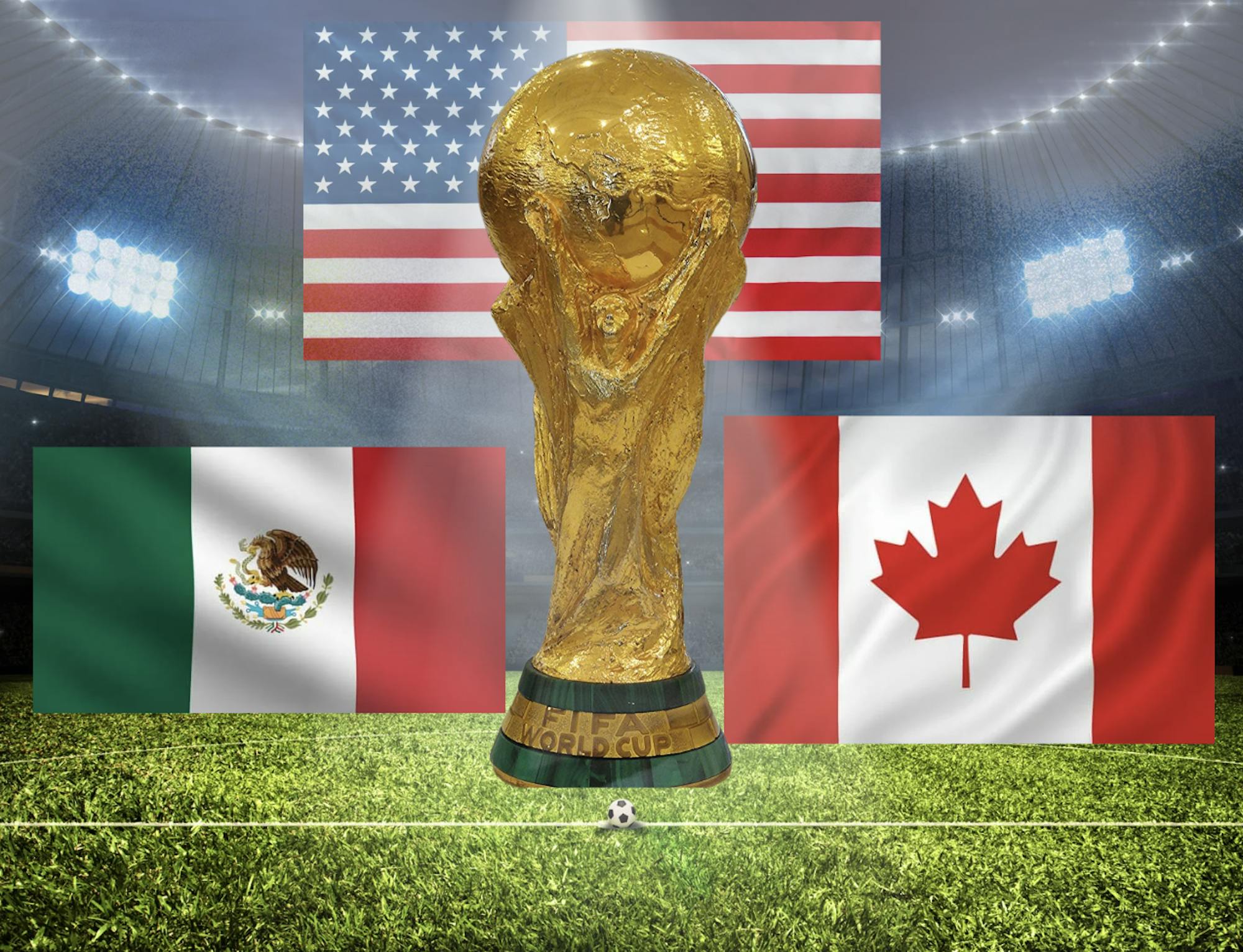
Another concern is that the environmental and political differences between the three host nations (the U.S., Mexico and Canada) may result in a fragmented and disconnected World Cup experience. Since the announcement of the tournament in 2017, skepticism of a three-country format prevailed. Many believed it would spread the tournament too thin and prevent the concentration of fans necessary for a passionate, electric atmosphere. I maintain that belief.
I’m confident that in Mexico, the World Cup will carry significant weight. Mexicans love football and are already building excitement and anticipation for the tournament. In Canada, where football is still developing, the tournament will serve as a test of whether the country can fully embrace the global football community. I believe they will rise to the occasion. Canadians have a deep sense of national pride and strong community bonds — qualities that translate well to the collective experience of a World Cup. Whether their team advances or exits early, Canadian fans will show up and immerse themselves in the spirit of the tournament, creating an atmosphere that will prove contagious to visitors.
The main issue is clear: In the United States, the World Cup isn’t a central topic of conversation, and it won’t be. Americans are grappling with far more pressing concerns, including the state of their democracy. I don’t blame them for this — these issues demand attention. But this means the tournament will inevitably be diminished in one of its host countries, overshadowed by political turmoil rather than celebrated as the unifying event it could be.
It’s difficult to reconcile celebrating a tournament many love while grappling with controversial political realities.