
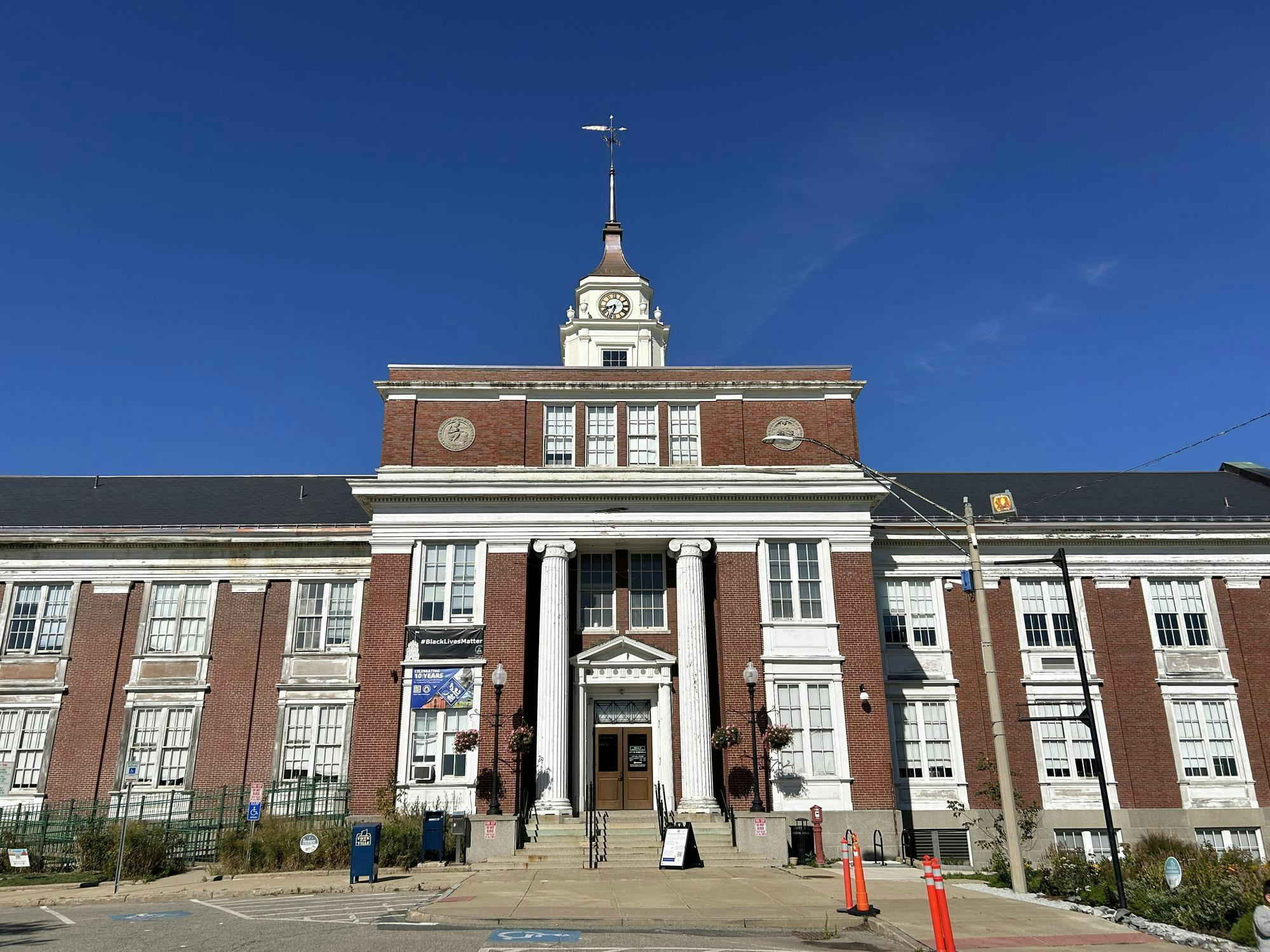
The Somerville city budget is expected to be reduced by nearly $5 million this year due to a slowing economy and federal funding cuts.
In a Feb. 10 virtual community budget meeting hosted by the City Council Finance Committee, and attended by Mayor Jake Wilson, residents shared their ideas and priorities for the Fiscal Year 2027 budget. Residents highlighted transportation infrastructure, road conditions, protecting immigrant communities, public safety and youth programming as major concerns.
Early in the meeting, City Councilor-at-large Ben Wheeler described the financial challenges facing the city.
“We have limited money this year for new projects and new uses and much of our focus is going to be on holding onto the levels of spending that we’ve had in the past year,” Wheeler said.
Immigration emerged as a key issue for residents in light of federal immigration enforcement efforts in Massachusetts and around the country.
Resident Derek DuPont said immigration services and an alternative emergency response program should be central to the budget.
“Let’s create a city budget this year that will help our most vulnerable,” DuPont said. “Let’s prioritize funding for legal services that can help immigrants that are targeted by the federal government and an emergency service that people can feel safe and comfortable using.”
DuPont, who does volunteer work teaching English to immigrants, said recent violence against immigrants and citizens by the federal government, as well as a lack of response from local police, have caused concern among residents about calling the police.
“For several years now, councillors have asked to fund an alternative emergency response program, which means an unarmed, non-police team that can help residents while reducing the risk of trauma and harm,” DuPont said.
The idea of a citizen response team is not new in Somerville. The Public Safety for All Task Force, through Somerville’s Department of Racial and Social Justice, currently works to help rethink and shape the city’s public safety system by identifying options for alternative, co-response and unarmed response models for responding to crises.
Resident Courtney Pollack echoed DuPont’s sentiment on immigration, urging the city to protect its residents, which includes immigrant communities, from the federal government.
“Please prioritize a budget that’s resilient to the loss of federal funds to protect social programs for when the federal government tries to withhold or cancel funding,” Pollock said, adding that the city should also refrain from accepting federal funds, such as Urban Area Security Initiative grants, that are contingent on cooperation with the Department of Homeland Security.
Residents also underscored the need for affordable housing in Somerville.
Madeleine Werner, the coordinator of SomerPromise, a program run by the city’s Health and Human Services Department, said she believes the city should support development proposals like the Copper Mill project in Davis Square.
“More than anything, affordable housing is where we need to go and if there [are] ways to spend on this administratively and to set us up for the future, I very strongly support that,” Werner said.
Alexandra Barbat, co-chair of the Somerville Commission for Women, also spoke about the importance of funding affordable housing in Somerville.
“Funding for affordable housing has the potential to change lives, specifically when we talk about women’s ability to live and work in Somerville and people’s ability to raise families in the community,” Barbat said. “Housing inaccessibility plays a huge barrier to that.”
Several speakers said antisemitism was a pressing concern facing Somerville.
Another resident, Richard Maidman, asked the council to prioritize combatting antisemitism in Somerville.
“First, I ask the council to fund and implement the recommendations of the Massachusetts Special Commission on Combating Antisemitism. Antisemitism is a serious and ongoing problem in Somerville,” Maidman said. “Somerville should be a city where every resident knows they belong and addressing antisemitism requires sustained attention and resources.”
Some speakers also protested the city’s recent ballot question, a nonbinding resolution that instructed the city of Somerville to disinvest from companies with financial ties to Israel.
“Question 3 … is illegal and discriminatory because it discriminates against people based on their ethnicity,” resident David Lichter said.
Banti Gheneti, another resident, spoke in support of the ballot question.
“We had a majority of people come out and vote in Somerville in support of the ballot initiative to limit funding to companies complicit in the genocide happening in Palestine,” Ghenti said. “I [hope] that the city is able to follow through on the democratic will of the people.”



