
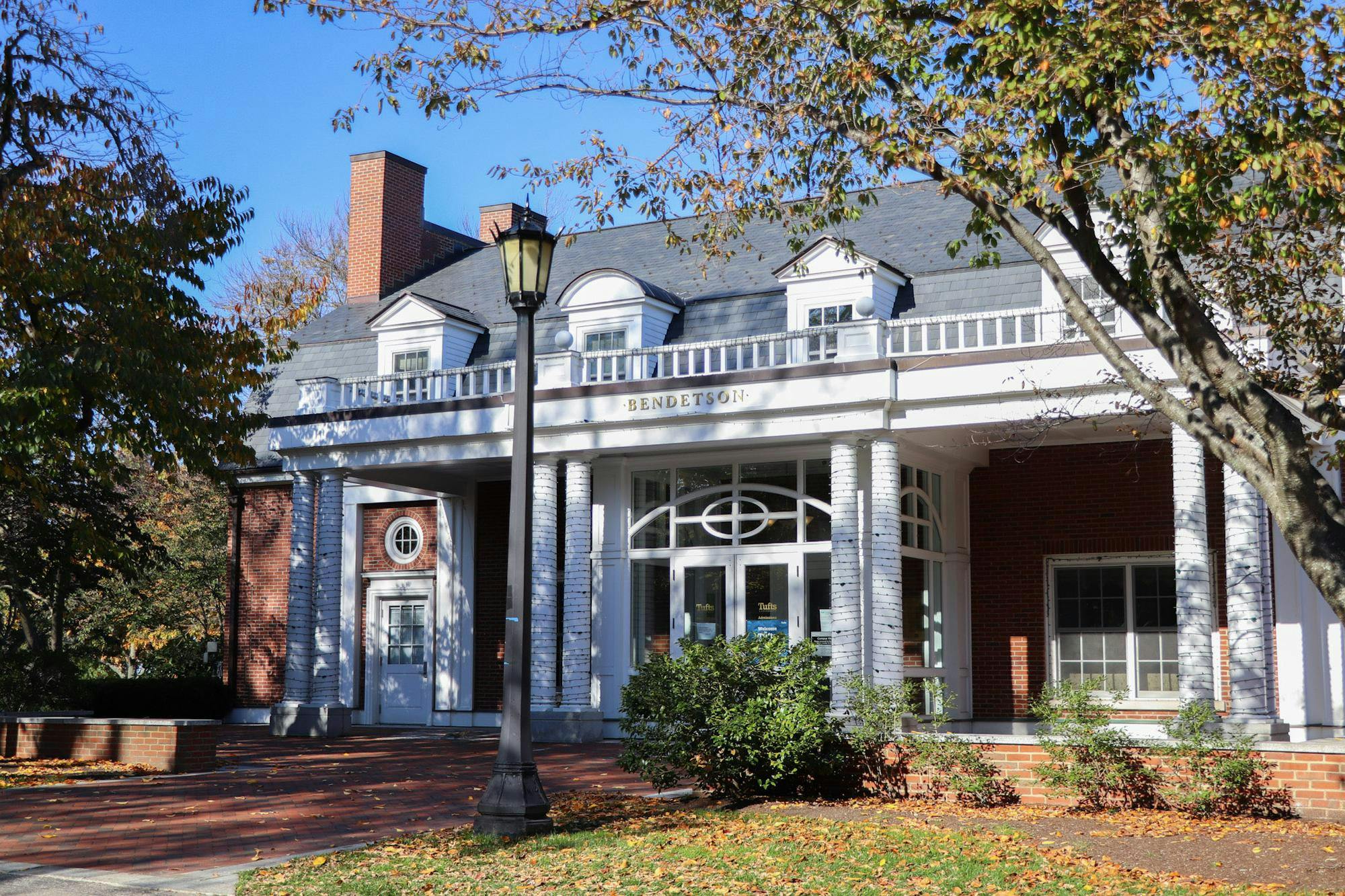
Tufts is piloting a new pre-college program this summer called College Prep 101 for Neurodivergent Students, designed to help neurodivergent high school students prepare for their transition to college. The program, launched by Tufts University College, will run June 22–26 and is open to students in grades 10 through 12 who are able to commute to Tufts’ Medford/Somerville campus.
“One thing I really hope students take away from this experience is a sense of belonging and the opportunity to really envision themselves on a college campus,” Dr. Jennifer Lillis, the instructor for the program and research scientist at Boston University’s Wheelock Educational Policy Center, said. “I think that the benefit of having a program that’s specifically for neurodivergent students is to have that affinity space to think and talk about what might be specific to them in that planning process.”
During the adjustment to college, neurodivergent students often face the challenge of navigating an environment without the built-in safety nets they relied on in high school. These supports include individualized education programs, which legally mandate specialized instruction for public school children with disabilities in grades K–12. Such legal accommodations do not extend to higher education, where students are typically left to proactively seek accommodations and advocate for themselves.
To help bridge this gap, College Prep 101 for Neurodivergent Students will introduce neurodivergent high schoolers to different facets of college life and show them how to access the support systems they need.
“There are resources on campus, but they’re not always clear-cut. There’s not somebody there necessarily to grab you on that first day and say, ‘Here, come with me,’” Dan Doherty, the director of pre-college programs, said. “Somebody is always helping the student on the high school end. The student has to be a good [advocate] for themselves on the college side.”
While working with the Massachusetts Department of Elementary and Secondary Education on recommendations to guide neurodivergent students transitioning to college, Doherty observed a recurring trend: Several neurodivergent students were leaving college within the first few semesters, often because they were not receiving adequate support.
“They just needed the connections on campus to get them a sound footing and a foundation in the college world,” Doherty said.
He proposed College Prep 101 for Neurodivergent Students last spring after learning that a similar Boston-area program could no longer run due to federal funding cuts. The new program is an extension of Tufts’ existing College Prep 101 offering, which serves high school students more broadly.
For the program’s instructor, the University College recruited Lillis, who studies how to improve college and career readiness for students with disabilities. As a former special education teacher herself, Lillis has spent years supporting high school students through their adjustments to college.
“The work that I’ve done has given me a lot of insight into, broadly, … the challenges that students face and … the skills that can really strengthen students’ abilities to manage that transition,” Lillis said. “I hope to really draw on that foundation as much as possible.”
Most of the week’s programming aims to immerse participants in the basics of college life. Students will tour Tufts’ campus, speak with Tufts professors and learn about classroom expectations. They will also meet with staff from the StAAR Center and attend panel discussions with Tufts undergraduates who identify as neurodivergent.
“There are so many differences between high school and college, and I think a lot of times, it’s really hard for our first-year students to navigate that,” Kirsten Behling, associate dean of student accessibility and academic resources, said. “We really just want to make sure that students feel welcomed and feel confident when they come to any college about where to go for resources, who to ask [and] how to ask.”
The program will help prepare students for the college admissions process. Throughout the week, all participants will develop individualized college plans, exploring the types of colleges that align with their interests and outlining the steps to apply. Students will have the opportunity to share their plans with their peers and family members at the end of the program.
“I hope the students learn more about themselves and … how they can connect who they are, their strengths [and] the types of learning environments that work well for them with the types of post-secondary options that are available,” Lillis said.
For high schools and universities seeking to become more inclusive of neurodivergent students, Lillis emphasized the importance of listening directly to students’ perspectives.
“I think the best way to find out what [barriers there are to students] is to talk with students themselves about their experiences and learn from those,” Lillis said.
Applications for the program opened on Dec. 1, 2025 and will close on May 1.



