
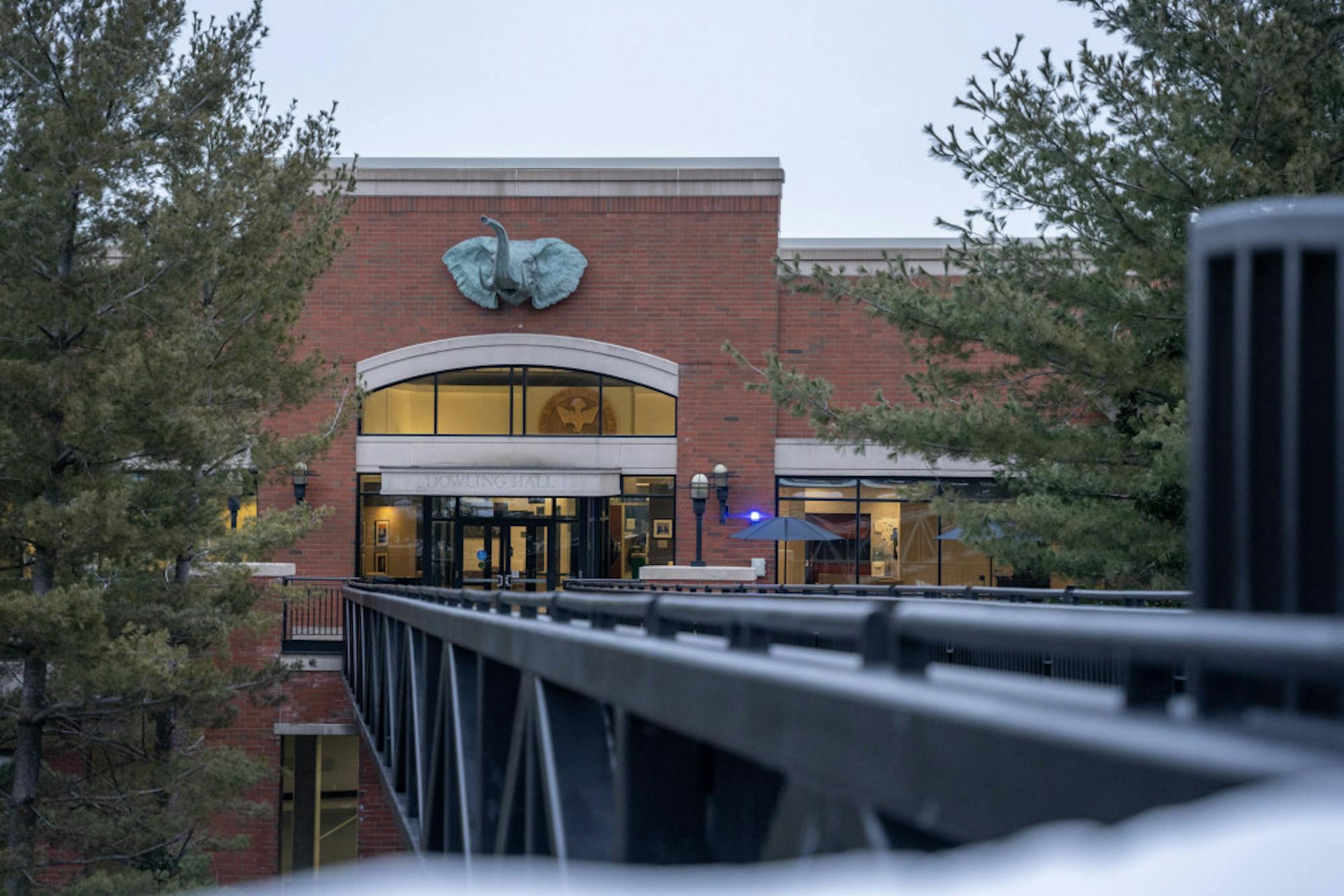
Tufts Student Life introduced a pilot participatory budgeting program this month which encourages the university community to decide how the university should allocate $60,000 of its budget.
The program encourages students to submit proposals for uses for the funding, and because the process aims to be entirely student-controlled, students will have the primary say in every step of the proposal, voting and budget allocation process. Criteria for submission include compliance with campus rules, being open and beneficial to all undergraduates and graduate students, being logistically achievable and not requiring recurring expenses.
The program was announced on March 3 in a university-wide email, where Student Life explained the rationale behind allowing more student input in budgeting. “Participatory budgeting is a democratic process used in many cities that enables community members to directly decide how to allocate a portion of the tax revenue paid by residents and businesses,” the email explained.
Education Committee Chair Gunnar Ivarsson, who has worked on the initiative, expressed how the initiative is intended to give students a tangible opportunity to influence their campus community. “This felt like a perfect fit in terms of getting people to understand how they can get involved in change on campus in a really tangible way, to experience a completely transparent project that’s student-run from the first step to the last,” Ivarsson said.
Ivarsson also noted how the program reflects Tufts’ broader emphasis on civic engagement. “We’re one of the only schools in the country to have its own school of civic life, and civic engagement in general is a really important factor in what a liberal arts education at Tufts looks like,” Ivarsson said.
The program will run in four stages throughout the remainder of the spring semester: brainstorming ideas, developing proposals, vote casting and funding of the winning project. The first stage was led by the Tufts Student Life civic engagement ambassadors who hosted two brainstorming sessions open to all students at the beginning of March. Idea proposals are due on March 31, after which the civic engagement ambassadors will reach out to authors for further research and development of the plans with relevant university departments.
The proposal development stage is ongoing through March and April, and completed proposals will be published for undergraduate and graduate students to vote on through April. At the end of the semester, the winning projects will be finalized and funded.
Associate Dean of Students Kevin Kraft explained that this initiative has been in development with civic engagement ambassadors since fall 2025. “One of the goals in the Student Life strategic plan is to build signature civic engagement programs,” Kraft wrote in a statement to the Daily. “Participatory budgeting is a great fit for that goal, and we started exploring it with the civic engagement ambassadors.”
Ivarsson emphasized that the program took inspiration from similar participatory budgeting initiatives in nearby communities. “Somerville’s [participatory budgeting model] has grown into a really popular project in the city, and so it felt really fitting for Tufts to create its own program, given a lot of its [surrounding] communities … including Boston and other universities in the area already have a program like this,” he said.
Ivarsson also noted that because this program is being introduced as a pilot initiative, organizers are hoping to attract as many students as possible during its first cycle. “The most important thing is just getting as many people involved as possible. … What the democratic process is about is the more people we can get involved with, expressing their ideas and potential feedback,” he said.
Kraft emphasized the benefits for students who participate in the initiative. “Participatory budgeting gives students a direct way to make change through a transparent, democratic process. Living in a community that makes decisions this way encourages us to be in good relationship with others and to solve problems collectively,” Kraft wrote.
Chloe Walker, a student civic engagement ambassador working on the program, shared hope that participatory budgeting will increase student involvement with the budgeting process. “It’s a really good way to get students more engaged with the fabric of the university and give them agency to help make decisions that are typically taken out of the hands of the students,” Walker said. “Students get to take their own thoughts, their own ideas, and actually implement them.”



