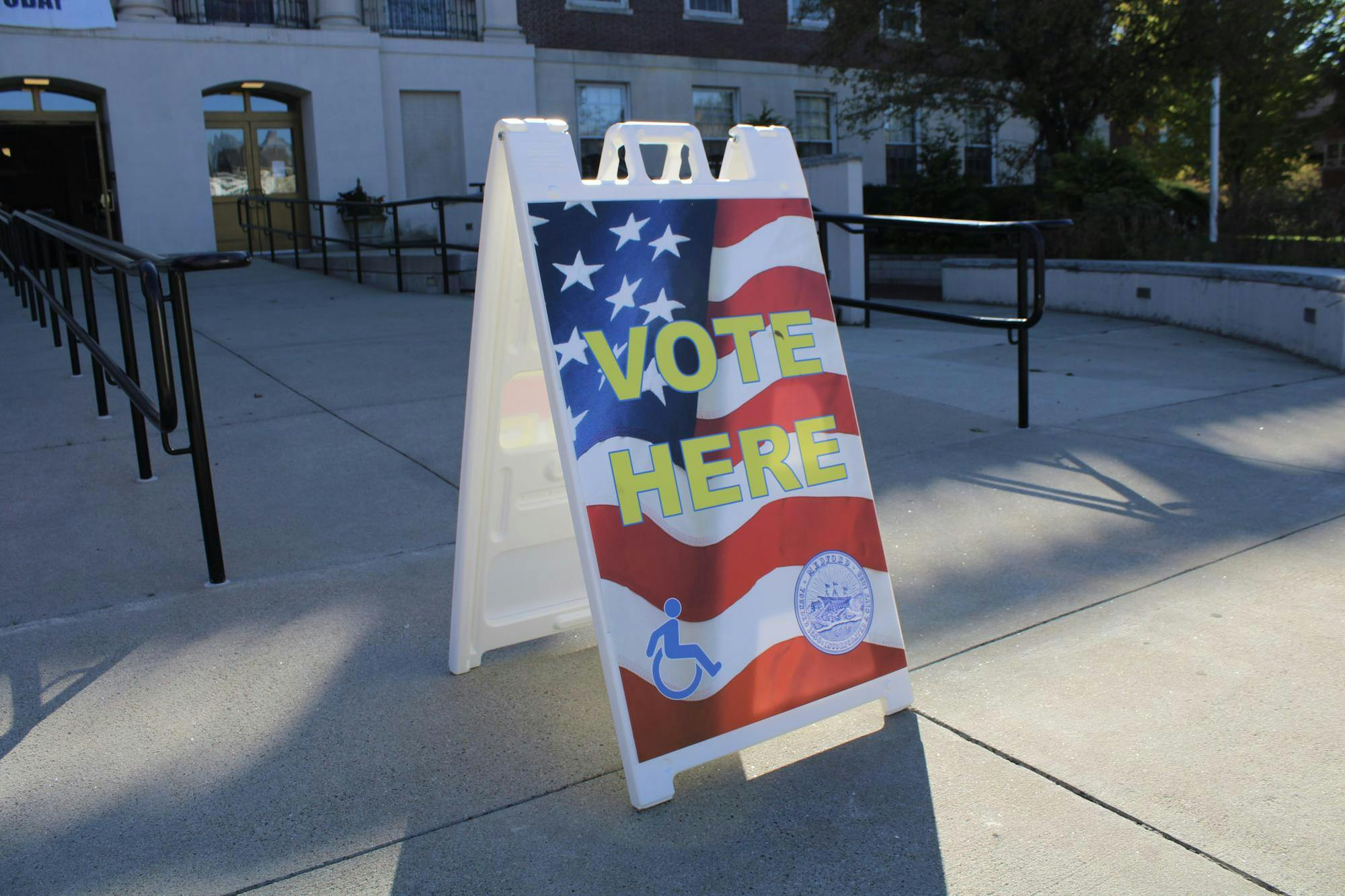
Massachusetts voters are set to vote this November on Ballot Initiative 8, which, if passed, would criminalize the retail sale of recreational marijuana and would permit people over the age of 21 to possess up to one ounce without criminal penalties.
A ‘yes’ vote on Question 8 would also repeal laws passed in 2016 allowing those over 21 to legally own more than one ounce of marijuana without a prescription. A ‘no’ vote would maintain the status quo, keeping marijuana legal for recreational use in the state and continuing to allow the possession of up to two ounces outside the home.
The initiative was written by a group called Smart Approaches to Marijuana, which seeks to end the “commercialization and normalization” of recreational marijuana use in Massachusetts. Beyond the state level, they also believe that marijuana should continue to be prohibited at the federal level.
The Center for State Policy Analysis at the Jonathan M. Tisch College of Civic Life analyzed all Massachusetts ballot initiatives, including Question 8, and found that passing it would dismantle a developed industry that brings in billions of dollars in sales and revenue.
While repealing the law would likely reduce overall marijuana use, the CSPA predicts increased black market activity as people who cannot legally access marijuana continue to seek it out.
Margie Skeer, professor and chair of public health and community medicine at Tufts University School of Medicine, believes that legalization came with the risk of exposing young people to stronger cannabis and a wider variety of consumption methods, potentially making them more susceptible to addiction.
“Legalization has also greatly expanded the variety of cannabis products available, including edibles,” Skeer wrote in a statement to the Daily. “The products available today are often much more potent and come in a far greater variety than in the past.”
The concentration of Tetrahydrocannabinol, or THC, she added, has risen considerably, making people feel more intoxicated.
While Skeer believes that passage of Question 8 could change the perception that marijuana is “harmless” for young people, she also believes that prevention efforts should focus on regulation and messaging regardless.
“If it does not pass, prevention efforts should focus on stronger regulation, particularly around product potency, packaging, flavors, youth-targeted marketing, and youth access,” she wrote.
Iman Lohrasbi, a federal and state policy associate at SAM, wrote to the Daily on behalf of the organization to address concerns about voting yes on Question 8.
“Voters have been presented with a false dichotomy between mass incarceration and marijuana commercialization,” Lohrasbi wrote. “We at SAM believe there’s a third option that includes removing criminal penalties for low-level possession while preventing the emergence of the next big tobacco, which markets and sells addictive, highly potent marijuana products to vulnerable communities.”
According to Lohrasbi, if Question 8 passes, the biggest change would be the end of retail sales, while possession and medical use would remain legal.
Concerns about recent trends regarding marijuana use in Massachusetts — which has one of the higher rates of marijuana use in the country — and an increase in marijuana-related harms among young people since the drug was legalized have motivated SAM to pursue a ballot measure.
“Marijuana legalization has led to three major changes: increased potency, which has in turn led to increased addiction and mental health harms,” Lohrasbi wrote. “If this measure passes, we hope to reverse these trends, as the state is currently headed in the wrong direction.”
State Senator Patricia Jehlen, who represents Somerville, said she supports legalizing marijuana to prevent people from buying products from an unregulated, illicit market.
“My main goal in supporting marijuana legalization was to starve the black market and give people a chance, who were buying marijuana anyway, to buy a product that was tested and regulated,” she said.
Jehlen also believes that the current law is working as intended and does not want to disrupt business or force consumers to turn to the illicit market.
“I think the law is working as intended and as voted on by the people and the legislature, and I think [Question 8] would be disruptive to businesses,” Senator Jehlen said. “But more important, many people would turn to the black market, which is unregulated and, in some cases, dangerous.”