A new Office of Residential Life and Learning (ResLife) rule will prohibit Resident Assistants (RAs) from dating residents from the residence halls for which they are responsible starting next year.
Though they can date other students who live on campus, (RAs), Academic and Community Engagement (ACE) fellows and academic residential tutors cannot be in an intimate relationship with anyone who lives in their building, Director of ResLife Yolanda King told the Daily in an email.
Because RAs are university employees and student mentors, these individuals have authority and influence over peers making a romantic relationship inappropriate, King said. She said she updated the policy this year to align with Office of Equal Opportunity (OEO) guidelines about misconduct prevention.
While RAs were allowed to date residents previously though RAs learned in training that it was frowned upon RAs had to report the relationship to the Resident Director (RD). The two would discuss potential conflict of interests based on the training RAs received before the school year, former RA Ben Chamberlain said.
Chamberlain, who did not have a relationship with a resident last year, said he is against the new policy as it is not necessary to ensure an RA carries out his or her responsibilities.
The difference between an RA and a resident really isnt a huge thing or at least it shouldnt be, Chamberlain, a senior, said. I wouldnt consider the RA to be considered necessarily a position of power, so theres not a weird power dynamic.
The new rule mimics the existing ban on intimate relationships between RDs and residents, King said. Whereas RDs are graduate students, who can be much older than residents, RAs are undergraduates, so they are no more than three years older.
With this rule, ResLife unnecessarily monitors the personal life of RAs, policing a natural element of student life that has not been problematic, Chamberlain said.
Theyre students first, and RAs second, Chamberlain said. I think that most of the students and RAs are mature enough to be able to understand where the responsibilities of the job lie versus the confines of the relationship.
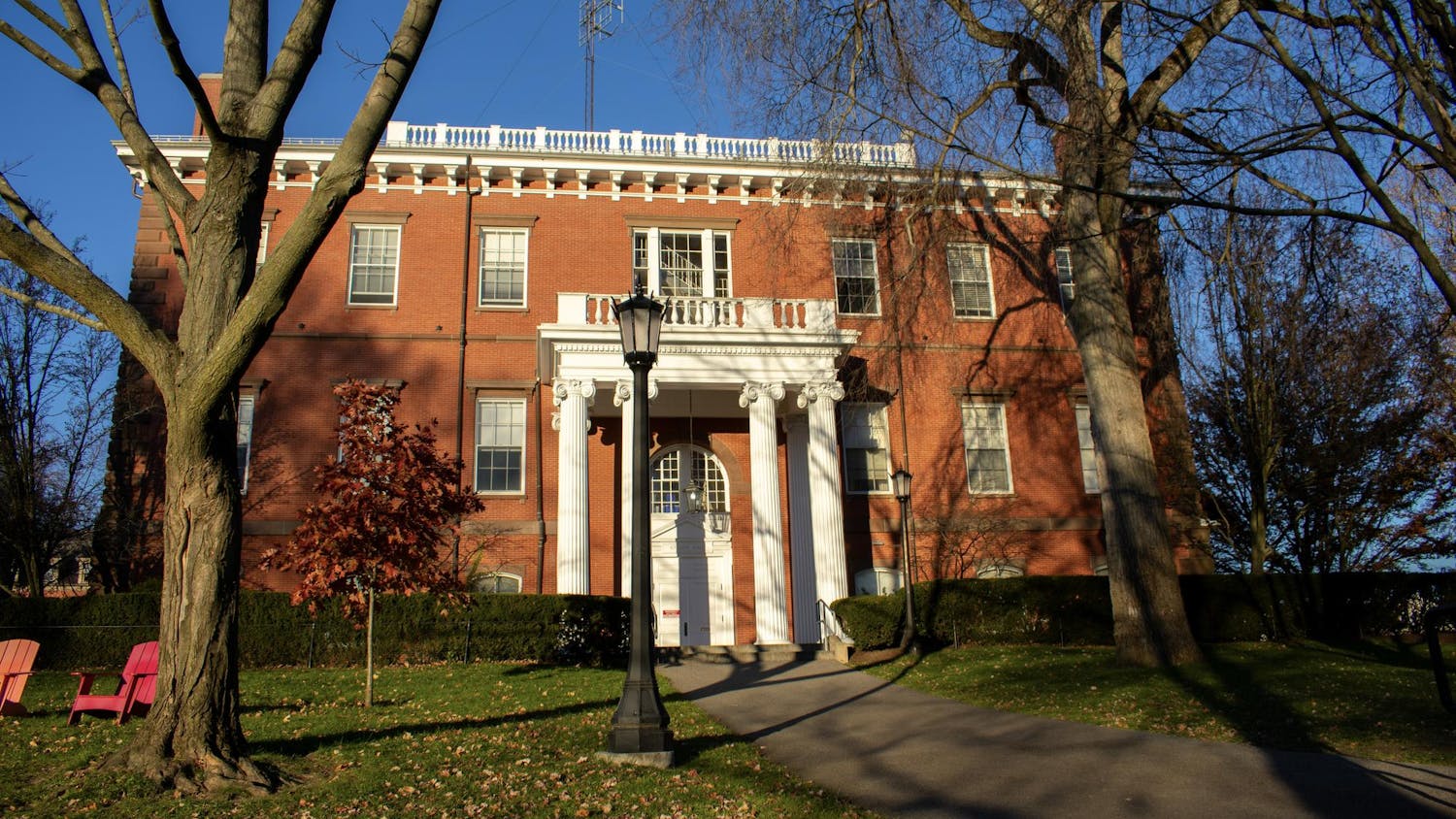
A Tilton Hall resident during her freshman year, Nicole Becker, now a senior, said she began dating an RA in her building three years ago. They informed the RD of their romance, as they were supposed to at the time. The RD did not have problems with their relationship, he just asked Beckers boyfriend not to buy her alcohol, Becker said.
Though her boyfriend was not responsible for her hall, the relationship would be banned under the new ResLife rule.
I probably still would have gone for Chris [Frano], Becker said. We figured out how to balance our roles.
From the two RA/resident relationships that Chamberlain said he knew started last year, both have stayed together. Such commitments demonstrate the positive outcomes from allowing these partnerships to occur, Chamberlain said.
Though it could be problematic if the duo broke up while living in the same building, Becker said issues like this are better resolved through RA training. A rule to ban the dynamic altogether will not deter RAs and residents from dating, Chamberlain said.
Rather than resolve problems with this dynamic, the ban could make issues more secretive for fear of punishment, Becker said. She said this rule would not have deterred her from pursuing her boyfriend if it had been in place in 2010.
I just would have been more stressed out about doing it, Becker said. But whenever you ban something it becomes more interesting, so itll definitely appeal to some students when it didnt before.
The RA manual prevents any current or 2013-2014 RAs from speaking with media.