More than 175 students this week have participated in the Leonard Carmichael Societys annual blood drive for the American Red Cross.
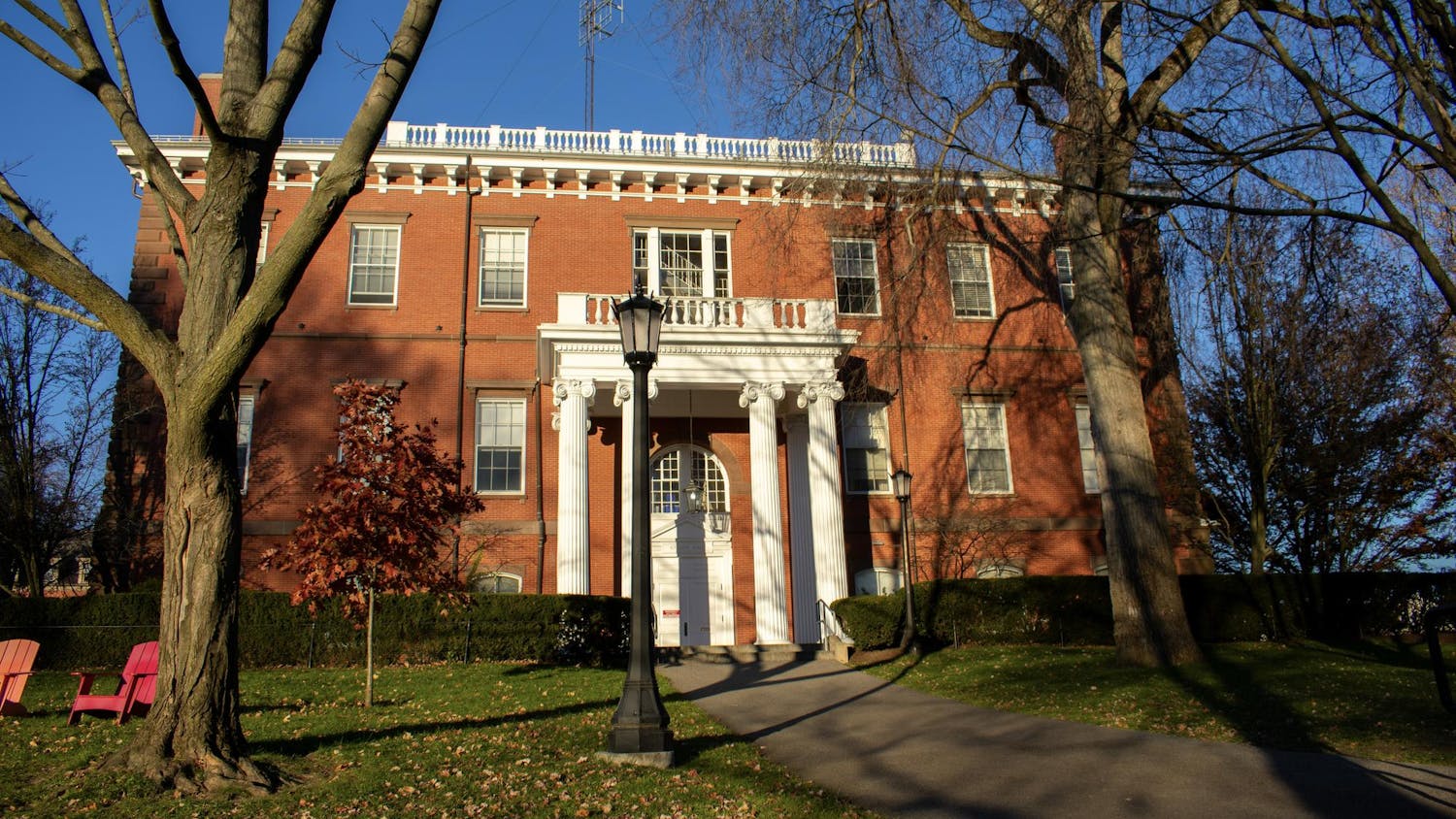
Today marks the final day of the week-long event held in the main lounge of Carmichael Hall.
According to the blood drives Administrative Coordinator Susannah Daggett, LCS expects to collect a total of 200 pints of blood approximately one pint per person, processing about 80 appointments each day.
According to Michael Schaeffer, account executive at the branch of the American Red Cross that coordinates with Tufts, the level of turnout at the on-campus blood drive has been encouraging. Reports indicate that 175 people turned out to donate blood at Tufts over the course of the first three days of donations, including 40 first-time donors. In total, the Red Cross collected 123 of its planned 126 productive units of blood, for 98 percent operational efficiency during the first half of the week.
For a frame of reference, we consider 95 percent operational efficiency to be a success, Schaeffer told the Daily in an email. So, 98 percent is great ... Since only five percent of the eligible population actually donates, this is a big victory.
Daggett, a sophomore, warned that a goal of 80 appointments per day will not necessarily yield 80 donations, as it is possible that some students who register will be ineligible to give blood. Daggett explained that students could be considered ineligible for a variety of reasons, including if they have traveled to a certain foreign country, do not meet height and weight requirements or have low levels of iron.
In previous years, under-staffing has prevented the blood drive from maximizing collections, Daggett said. To ensure that the event runs smoothly, 45 student volunteers will manage donations.
Volunteer Coordinator Zaid Qureishi explained that the volunteers, recruited during the LCS general interest meeting, are needed to manage the check-in table and the canteen.
We usually divide the day into 30 minute shifts, and the ideal is to have two to four people during every shift, Qureishi, a junior, said.
Donations made by appointment, as opposed to walk-ins, are particularly beneficial to ensuring the overall success of the blood drive, Daggett said.
Our biggest push in publicity is trying to get people to sign up for appointments, Daggett said. If people sign up for appointments ahead of time, we know what to expect and the Red Cross knows how many people they should bring.
Daggett, who explained that the three blood drives held throughout the year represent one of the oldest standing LCS event traditions, feels confident that this years drive will yield success similar to that of past years.
The drive has been very successful so far, and on both Monday and Tuesday we had to turn donors away when the wait got too long, she said. Historically, the fall drive is the best drive [of the year], and we dont see any reason to think this year will be different.
Red Cross Collections Supervisor Paula Picard said she also feels optimistic about the blood drive, especially since many students have made appointments.
We are very successful at colleges in particular, Tufts being one of them, Picard said. That is why we do it so many days in a row.
Daggett said that changes in Office of Residential Life and Learning regulations may create obstacles for future blood drives.
Looking forward between now and our winter drive, we are going to have to change a lot of things, she said. We cant have the blood drive in the same lounge space for five days in a row because of residential life regulations.
Daggett said that one possible solution to this problem would be to divide the period of blood donation into two sections. LCS would operate in one halls lounge for three days and another one for the remaining two days. She did note that this could be problematic for the Red Cross organization, however.
Despite reorganization possibilities for future drives, positivity about the cause in general persists. Qureishi said that each donation has the potential to save up to three lives.
Its a rewarding experience, being able to help out in something that can save lives, he said.