
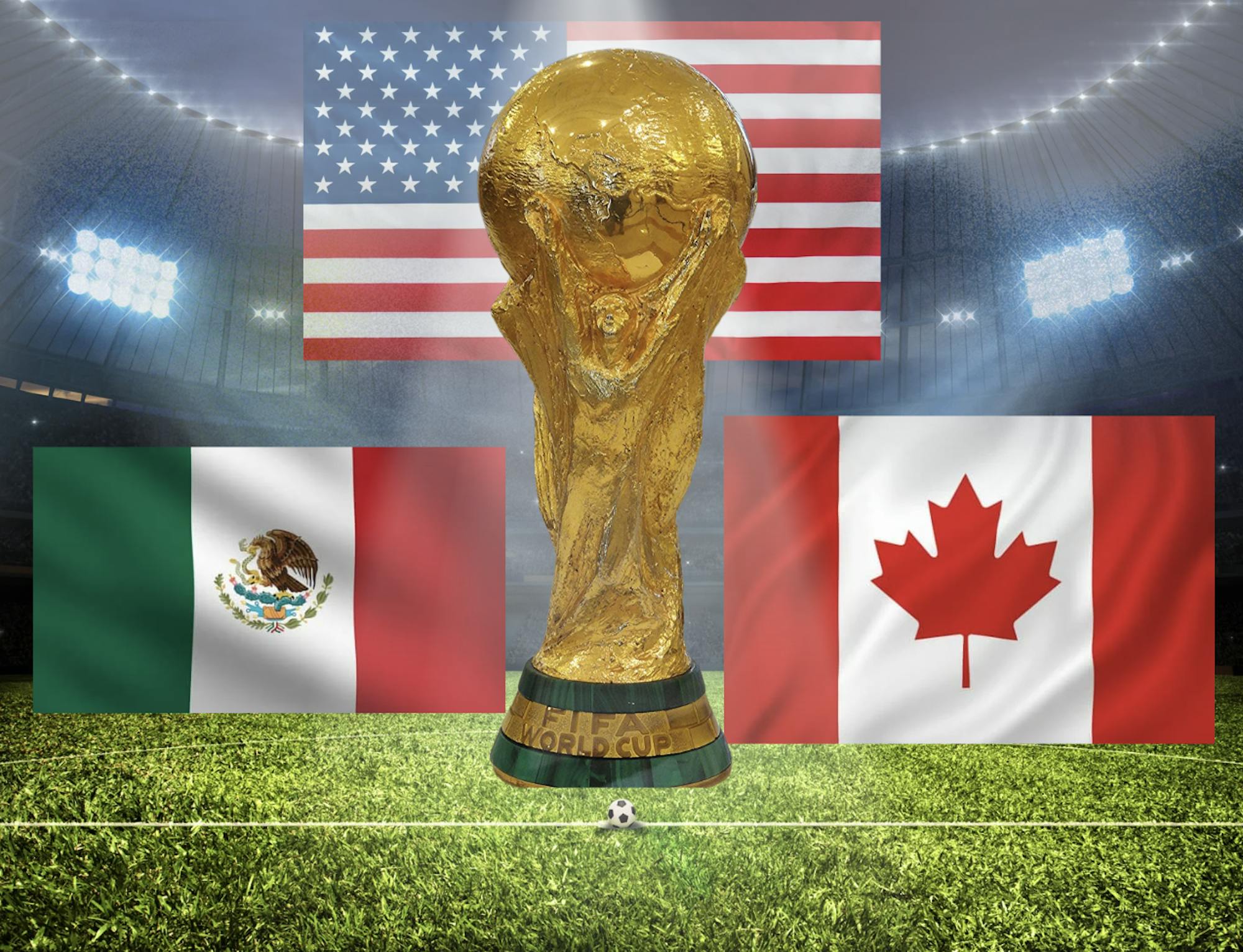
The World Cup is less than a year away. In this column, I will review the most pressing challenges the tournament faces across all its venues in Canada, Mexico and the United States.
The $60 ticket that won’t stay $60
The first round of ticket sales for the World Cup began Sept. 10 with a special Visa presale available only to qualified Visa cardholders. The process starts with an application where buyers enter their information and preferred team, which then gets approved and entered into a lottery. Winners get a slot to purchase tickets on Oct. 1. The catch? Buyers won’t know which teams play in specific games since the tournament draw isn’t set until Dec. 5. Still, buyers can secure tickets to any World Cup match, including the final, so demand will be intense.
Ticket prices currently range from $60 for group-stage matches to $6,730 for the final. However, these prices may shift upward. FIFA will use variable pricing, which means adjusting costs to match demand in each country’s market. That $60 ticket could likely increase within minutes of going on sale. Price increases may also be expected through FIFA’s official resale platform.
New York City mayoral candidate Zohran Mamdani has launched a petition to make ticket prices more accessible for New York City residents and to “host a World Cup all New Yorkers can afford to enjoy.” His petition demands three changes: “No dynamic pricing,” “a cap on resale prices” and “15% of tickets set aside for local residents at a discount.”
These numbers underscore the massive global interest in the tournament. FIFA reported that over 4.5 million fans from 216 countries and territories applied during the 10-day Visa presale period. “The whole world wants to be part of the FIFA World Cup 26,” FIFA President Gianni Infantino said, calling it “the biggest, most inclusive and most exciting event ever seen.” With demand this high and only limited tickets available, FIFA’s variable pricing strategy becomes even more concerning for average fans hoping to attend.
Trade wars threaten World Cup unity
On Sept. 18, Mexican President Claudia Sheinbaum met with Canadian Prime Minister Mark Carney in Mexico City to discuss trade and tariffs. The meeting stems from President Donald Trump’s insistence on continuing trade barriers between the nations. Both Sheinbaum and Carney appear focused on strengthening their partnership to reduce dependence on Trump’s unpredictable policies.
This political drama directly affects World Cup planning. Strained relationships between leaders threaten smooth cooperation between host nations. According to The Washington Post, Trump’s trade policies are already causing economic damage in Canada. “Levies on steel, aluminum and autos are hitting those sectors hard and weighing on the economy, driving up unemployment, squeezing exports and shrinking economic growth,” Toronto-based correspondent Amanda Coletta wrote in The Post. Economic instability, precisely when these countries need stability to prepare for hosting the world’s biggest sporting event, is troubling. Even though the World Cup isn’t Canada and Mexico’s top priority, it represents a massive economic opportunity that requires a smooth regional partnership.
The stakes are enormous. FIFA projects the tournament will create 185,000 jobs in the United States alone, contribute billions to the country’s GDP and generate billions in revenue. With numbers like these, political squabbles between host nations could undermine what should be a celebration of international unity through soccer.



