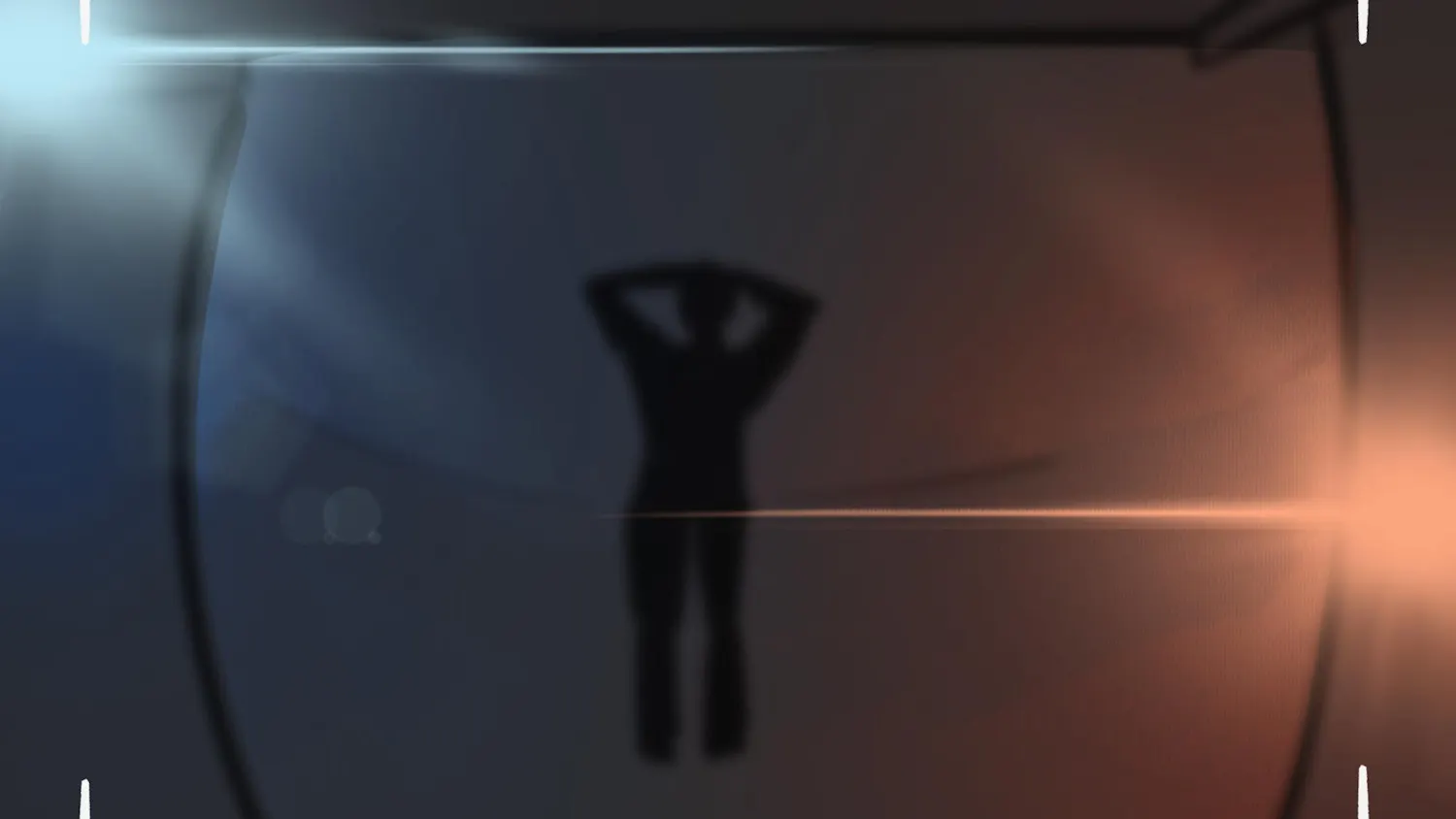
When love rears its head, it’s not always a pretty sight. “Together” embraces this truth and stretches it to its most grotesque limit. Michael Shanks’ new film is not only a supernatural body horror, but also a comedy and a relationship drama. The fusion of genres is literalized in the fusion of flesh — a process that is terrifying, ugly, funny and erotic all at once.
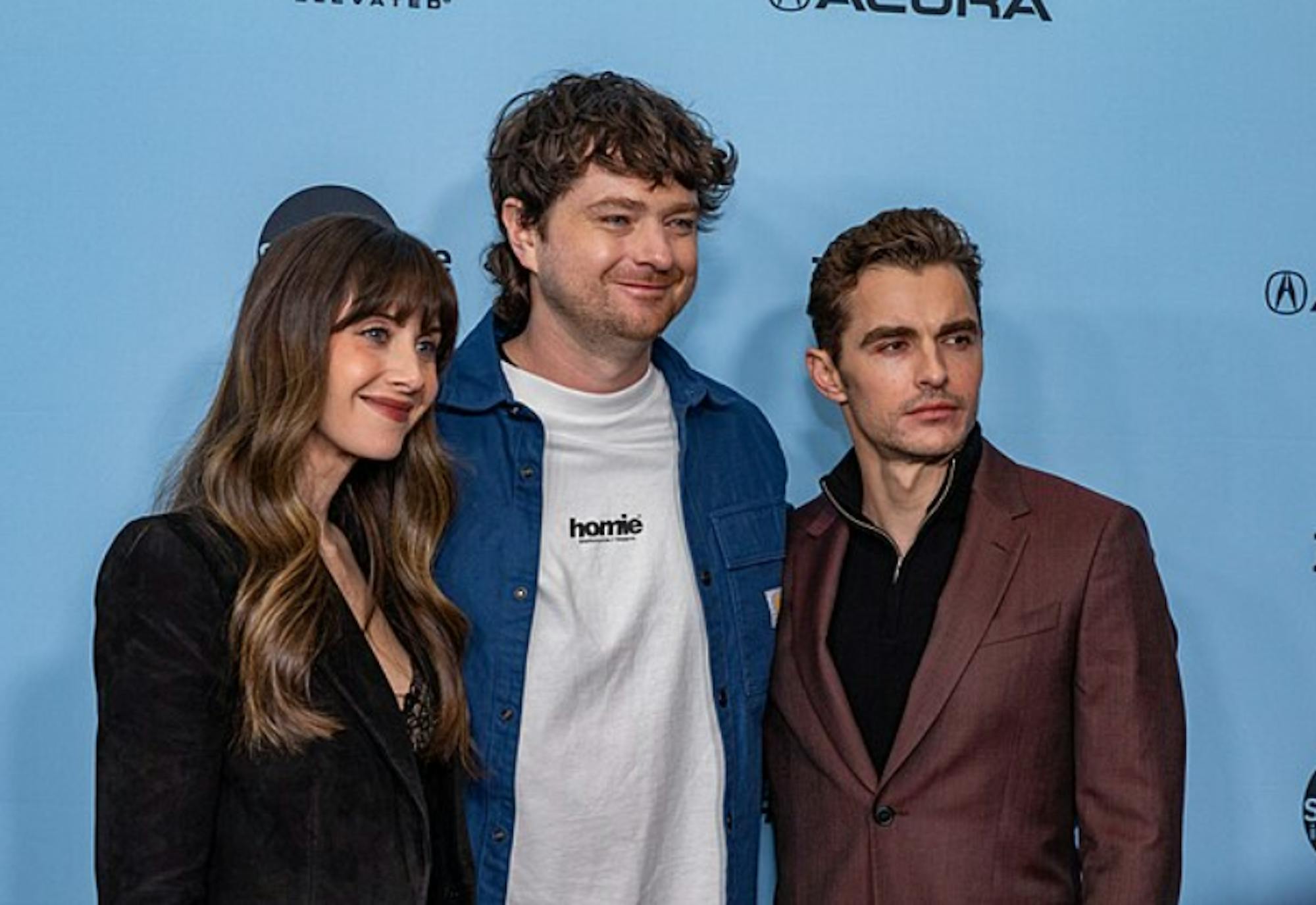
The film centers on a young couple, Millie (Alison Brie) and Tim (Dave Franco), who are growing apart at the story’s onset. The fact that Alison Brie and Dave Franco are married in real life gives their on-screen dynamic an extra edge of believability. Teacher Millie and struggling musician Tim are rather dull, but because Brie and Franco’s performances are enhanced by their reality, the characters are made more intriguing. Near the beginning of the film, Millie and Tim move to the countryside. Their placement in an isolated, idyllic location is tropey, but it works perfectly because of the fact that “Together” derives its horror from forced proximity. There is a push and pull between Millie and Tim — they seem repelled by each other while also yearning to mend the emotional and physical gap in their relationship.
Millie and Tim fall into a cave while hiking in the rain, further isolating them from the outside world. Here, the supernatural horror is set in motion. Tim drinks from a pool of water in the cave and unknowingly seals his and Millie’s fate. The film never explains the water’s mystical ability to fuse lovers into one being. We later find out that a new-age cult used the water, but, beyond that, the magic is a mystery. “Together” benefits from leaving an aspect of its horror to the unknown, instead of resorting to a played-out demonic explanation.
If viewers go into the film remotely knowing the premise of “Together,” they know Millie and Tim are doomed from the first time their skin seems a little resistant to pull apart. The dramatic irony is what makes the gradual increase of magnetic attraction gripping to watch. The slow build to the full-on, gross-out body horror (before it grows exponentially in the film’s second act) is half the fun. Tim being controlled in the shower by Millie’s drive to work, hair swallowed in the night, genitals stuck together in a school bathroom stall — it’s all part of a fantastic escalation.
The couple’s neighbor, Jamie (Damon Herriman), serves first as a warm, somewhat paternal welcome. He gives Millie advice for her relationship with Tim, urging her not to give up. He brings up Aristophanes’ concept of Eros — the idea that humans were once whole with two heads, two pairs of arms and two pairs of legs, but are now doomed to wander the earth in search of their other half. Bringing in ancient Greek philosophy gives the film a more timeless and epic scope. Discussions like this, combined with foreshadowing language (and Chekhov’s gun in the form of an electric saw), really hammer home Tim and Millie’s gruesome fate and make strong contributions to the film’s comic underside.
“Together” certainly delivers on the horror that its premise promises. The unnatural, arching body contortions that are characteristic of demonic possession horror films feel fresh here, given the drive of supernatural attraction. And there is, of course, flesh stretching, melting and snapping together. This is body horror in its purest form. Tim and Millie are resistant, cutting their conjoined arms apart with the electric saw as a temporary fix. But resistance is futile, as demonstrated to the couple by two examples, which are also visual metaphors for two ways a relationship can go. Jamie is revealed to be a product of a willing fusion between two men in the new-age cult. A couple that went missing while hiking by the cave are revealed to now be grotesquely fused together because they were resistant to the fusion process. The individual self must be relinquished to partake in “the ultimate intimacy in divine flesh,” as Jamie puts it.
Tim and Millie’s acceptance of their fate is the film’s most amusing and romantic scene — a swaying dance set to the Spice Girls’ “2 Become 1.” The product of their union is just an androgynous person, which ends the film on a playful, casual note. It’s jarring but works for a horror film that strives to be unorthodox.
The film’s exploration of monogamous relationships through body horror is so riveting because of the universal fears it plays on — disgust with the human form, the sexual and psychological anxieties that stem from committing one’s self to another, identity and the loss of it. “Together” validates these fears, but romanticizes them at the same time. The film holds our hand and tells us, with distended skin and screams, that love will always triumph, whether you want it to or not.