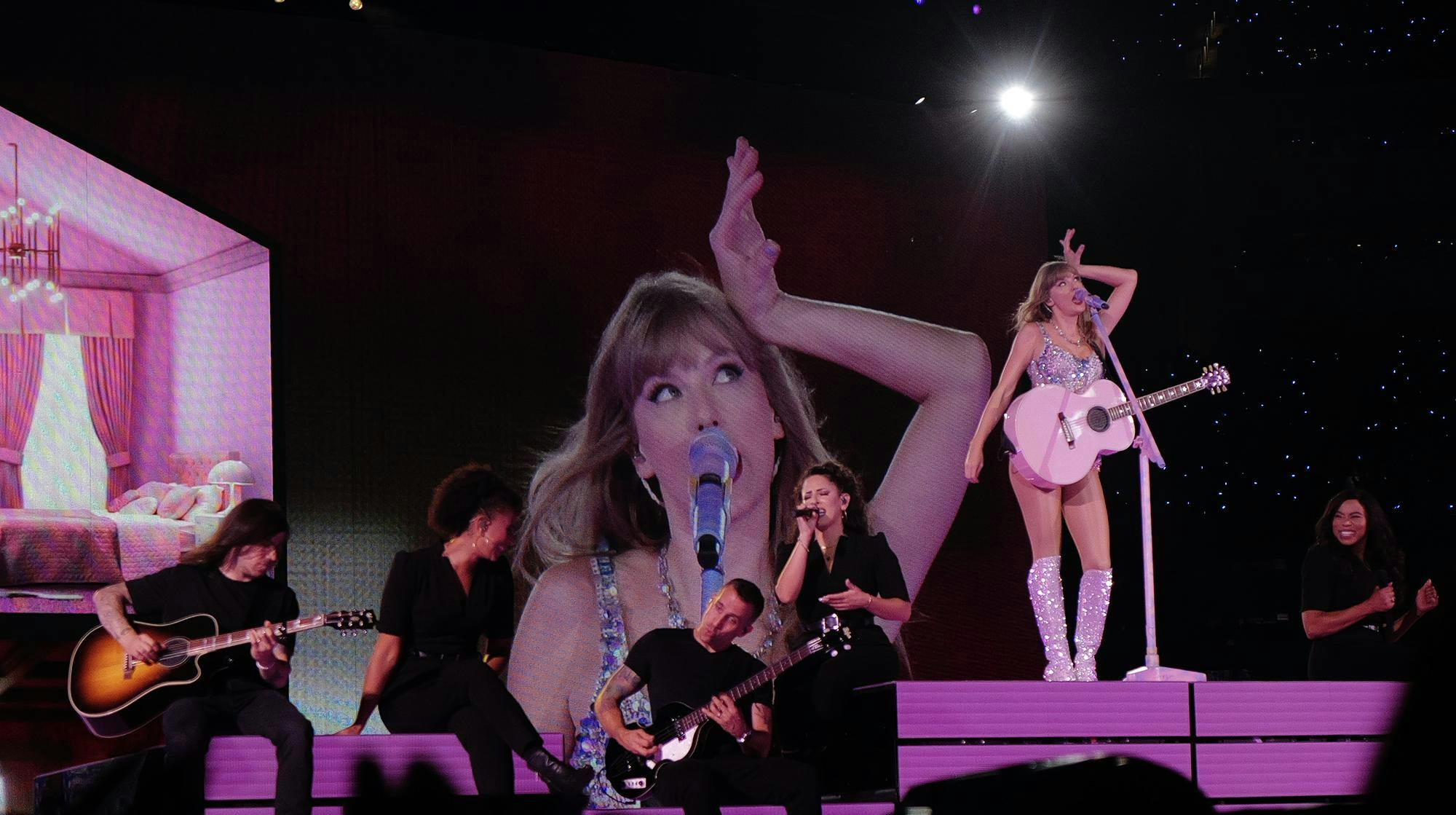
On Oct. 3, Taylor Swift released her 12th studio album, “The Life of a Showgirl,” reflecting on the difficulties and triumphs of a life full of fame and love. In just over a week, the album has generated buzz for many different reasons — a main one being the multitude of versions of the album that have been released.
Since its release, over 30 album variants have appeared — nearly as many as Swift’s previous album, “The Tortured Poets Department.” The variants include CD, vinyl and cassette editions, each with distinct cover photos or pressing colors, some of which are limited editions. Swift’s vinyl variants are an extension of the distinct aestheticization of her discography, a theme she also celebrated on “The Eras Tour.”
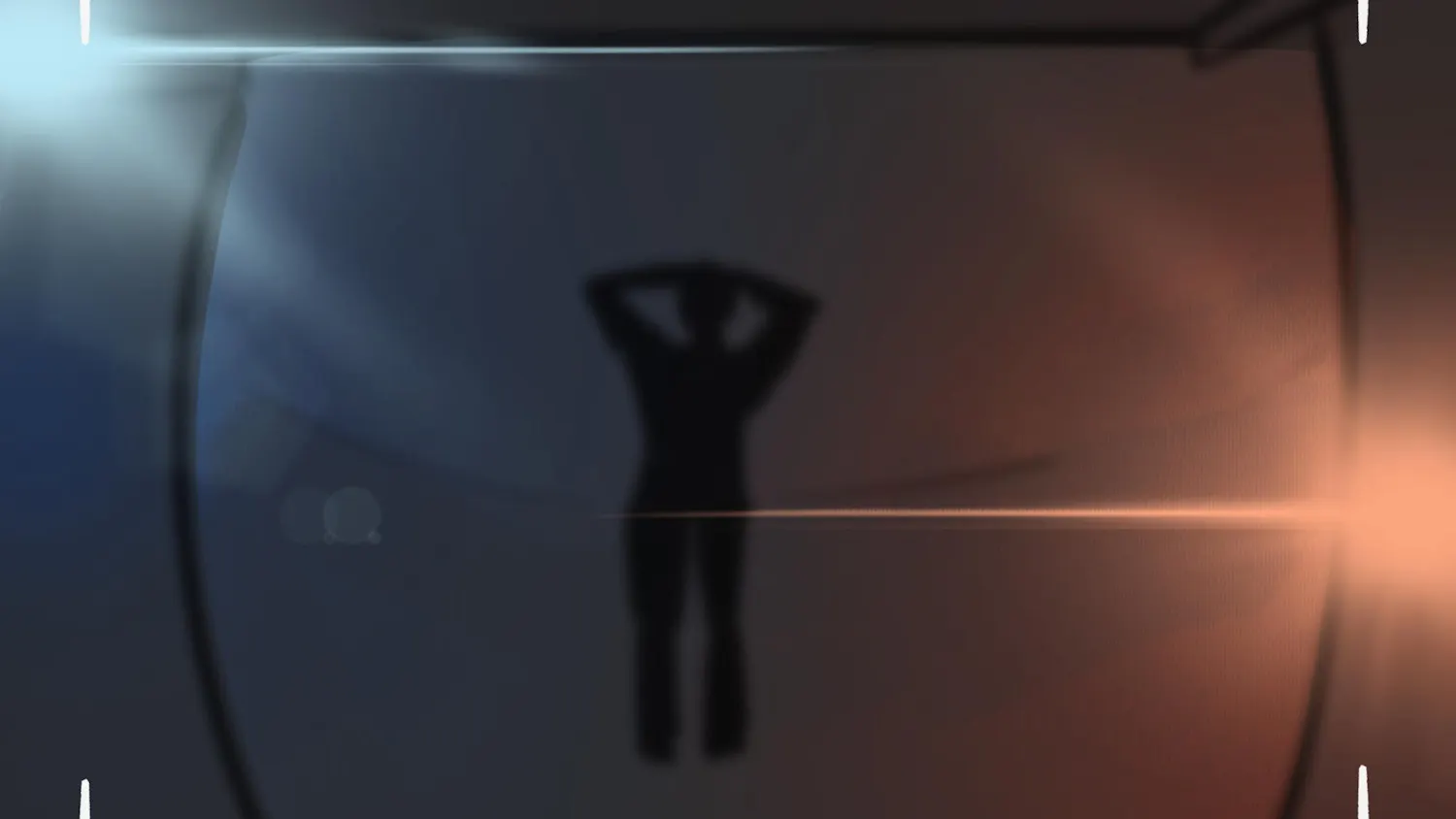
Often, the physical vinyls vary in pattern, color or texture, while the cover art remains mostly consistent. However, this is not the case for “The Life of a Showgirl.” With each new variant, Swift has pulled from different scenes — many from her music video for “The Fate of Ophelia.” Each vinyl edition showcases a new color palette, outfit, scene or (sometimes) typography placement. In the “It’s Frightening” Deluxe CD, Swift crawls through a dimly lit theater in a simple bodysuit. In “The Crowd is Your King,” Swift is bedazzled in a decadent feather shawl and jeweled headdress. In “Baby, That’s Show Business,” she is surrounded by dancers in full showgirl attire.
A USA Today article documented some fans’ frustration with what they perceived as a ‘cashgrab’ on Swift’s part. One fan commented on social media, “This is so upsetting. I love Taylor, I do. But for the love of God why do you need so many variants? Why does one hard working fan have to buy seven different versions of an album instead of just having all of the songs be on one complete album? You have millions of dollars. Give us broke fans a break.” According to Luminate, “The Life of a Showgirl” sold over 1 million copies on vinyl in its first week alone.
Not only are these variants seen as greedy, but fans have also criticized them for being overly consumeristic and environmentally unsustainable. In a 2024 Billboard interview, Grammy winner Billie Eilish criticized the concept of variants. “I can’t even express to you how wasteful it is,” Eilish said. “It is right in front of our faces and people are just getting away with it left and right, and I find it really frustrating as somebody who really goes out of my way to be sustainable and do the best that I can and try to involve everybody in my team in being sustainable — and then it’s some of the biggest artists in the world making f---ing 40 different vinyl packages that have a different unique thing just to get you to keep buying more.”
The commercialism of variants is hardly new in the pop music industry. Charli XCX’s album “Brat” had over 10 vinyl variants, including “Brat and it’s completely different.” Ariana Grande’s album “Eternal Sunshine” offered six different vinyl versions. Often, vinyl variants are also available in collaboration with specific chain stores. For example, Olivia Rodrigo’s “Guts” was sold in collaboration with Urban Outfitters, and Sabrina Carpenter’s “Man’s Best Friend” had a partnership with Target.
Ever since The Beatles and their album cover for “Sgt. Pepper’s Lonely Hearts Club Band,” album art has been a central feature of the pop and overall music industry. However, artists have long relied on a single cover to expand on or explain the narrative of their albums — using this limited space to creatively reflect upon their art. Now, with so many variants saturating the market, that tradition of album-cover iconography risks being lost. Still, many artists maintain a defining visual identity — as with “Brat,” nominated for the 2025 Grammy Awards Album of the Year, which ushered in an entire phenomenon of neon “Brat” green and Arial typeface minimalism.
It seems Swift’s album cover world-building is still far from replacing the iconography of album covers, but with vinyl variants quickly becoming an industry staple, it might be a warning of the increasing commercialization of the music industry.