
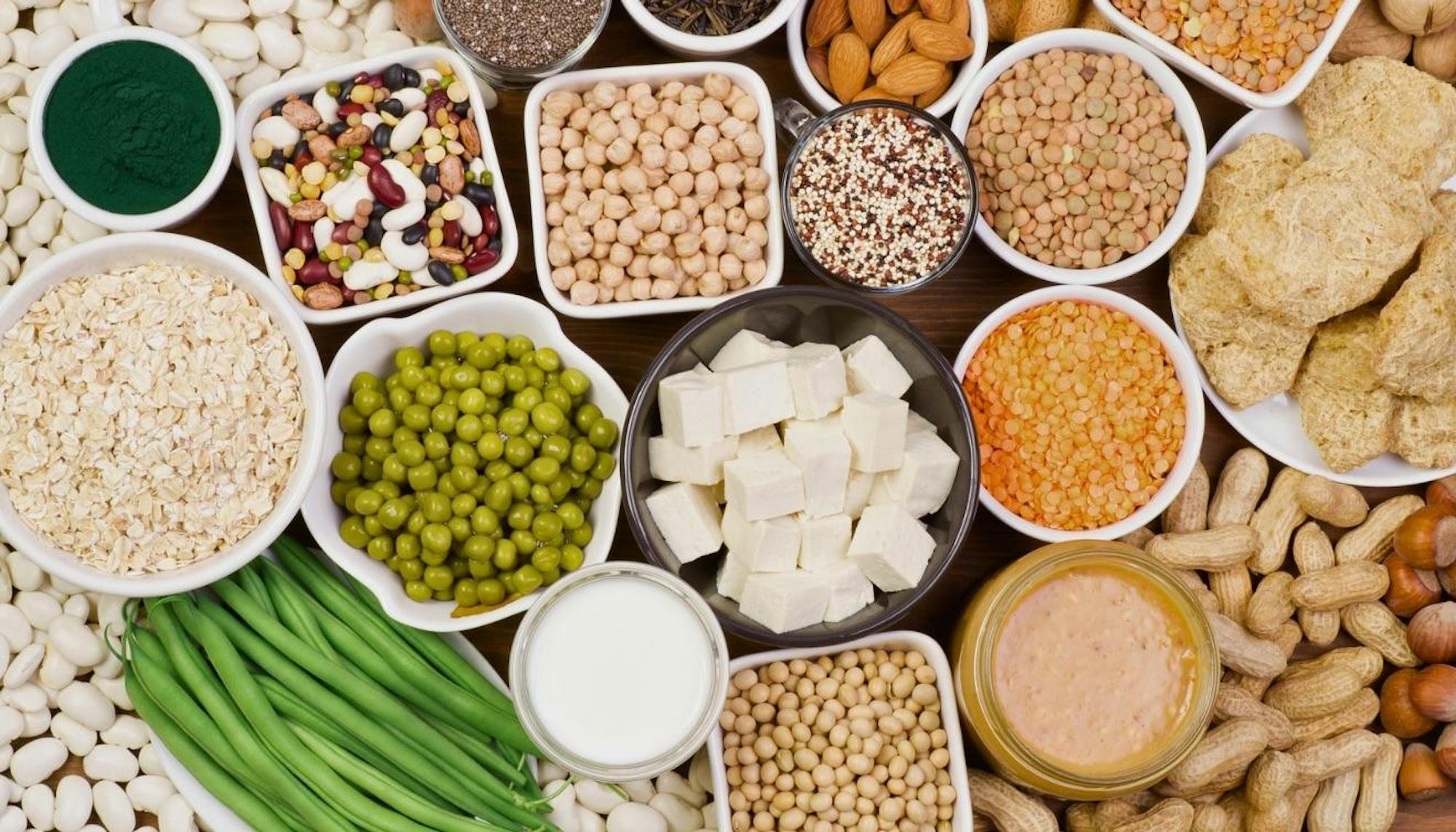
Protein is everywhere now — or at least, the word is. When you walk into a grocery store, it almost feels like half the aisle is trying to convince you that you’re one scoop away from collapsing from malnutrition. There’s protein cereal, protein pasta, protein donuts, protein Pop-Tarts, protein chips, protein soda and even protein water, which sounds like a product that shouldn’t exist. The implication is constant: Without added effort, you’re probably falling short. Yet many doctors and nutritionists say the average American already consumes more than enough protein. So why is it suddenly everywhere?
The recent attention didn’t appear out of nowhere. For people focused on strength training, endurance exercise, body recomposition or sustainable weight loss, protein is essential: It repairs muscle tissue, helps maintain lean mass and keeps you full in ways other foods don’t. In that world, tracking protein isn’t trendy — it’s practical.
But, as often happens, an idea that was once niche drifted into the mainstream. Terms like “hitting your protein” or “tracking macros” now shape everyday eating, even among the general public. Protein has become shorthand for making the “responsible” choice. Online, this shows up in endless low-calorie, high-protein recipes — cheesecakes, pasta sauces, brownies — ordinary food rebranded as self-improvement.
You could argue this is just another evolution of diet culture: first campaigns against high cortisol, then against seed oil use and now protein. But interestingly, protein has avoided the moral judgment language that fats and carbs have endured. It hasn’t been villainized by any major diet cycle; in fact, it’s taken on a neutral, even positive glow. In a culture where food is often framed in terms of purity or self-control, protein is unusually uncomplicated. It promises improvement without restriction.
Part of this comes from the associations protein already carries — strength, durability, capability — qualities historically coded as aspirational and often masculine. While foods marketed to women have emphasized lightness or restraint, protein signals the opposite: functionality, power, purpose. Because of this, it’s been largely exempt from the moral scrutiny other nutrients receive.
At the same time, weight-loss drugs have accelerated protein’s cultural momentum. GLP-1 medications brought conversations about “muscle preservation” and “adequate protein” into the mainstream, turning once-niche fitness jargon into everyday vocabulary. Even for those not taking these drugs, the language has become unavoidable, circulating widely in media and online.
Once a concept reaches this level of hype, the next step is predictable: Companies turn it into a commodity. Shelves are now full of foods advertising a few extra grams — often an amount too small to matter. A granola bar with 10 grams becomes ‘high-protein’; cereal that was perfectly adequate for decades competes with pricier ‘protein versions.’ Barilla’s 16oz Penne Pasta, for example, sells for $1.80 at Target and contains 7 grams of protein per serving. The protein version sells for $2.99 — nearly double — for only 3 additional grams and even less product. The added protein isn’t addressing a deficiency; it’s justifying a new price point and reframing the original product as lacking.
In the end, the rise of protein says less about nutrition and more about how easily society can turn anything into a commodity. Once protein became linked with responsibility, discipline, strength and self-improvement, it stopped mattering whether anyone actually needed more of it. What mattered was that it could be sold. Companies hardly needed to change the products themselves — just sprinkle in a few more grams and redesign the packaging. Suddenly, the same foods that fed families for decades were no longer ‘enough.’ Fortunately, their higher-protein counterparts sit right beside them on the shelves — for a slight price uptick.
The real product isn’t the added protein. It’s the reassurance that choosing it means you’re doing something right.



