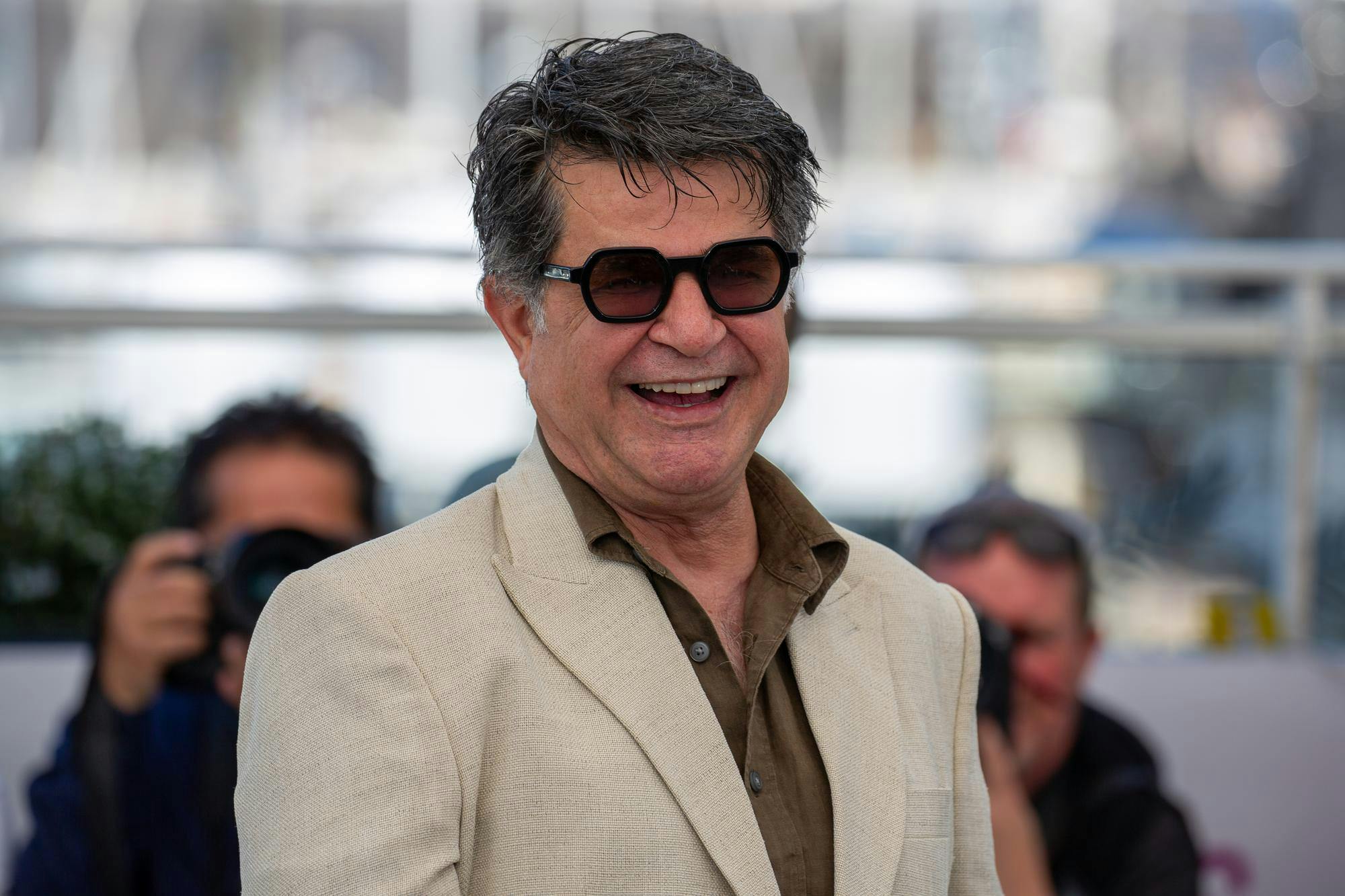
To discuss director Jafar Panahi's newest film, “It Was Just an Accident,” it is important to understand its origins. The Iranian filmmaker is known for his unique style of portraying the lives of everyday Iranians through revealing their hopes and struggles to the audience. He is responsible for several renowned Iranian films, such as “Taxi,” “No Bears” and “3 Faces.” Beyond Iran, his movies have received international praise, winning the Palme d’Or at the Cannes Film Festival earlier this year, perhaps the most prestigious film award to date.
It is important to note that Panahi’s films are banned in Iran, forcing the director to work with foreign producers — in this case, French producer Philippe Martin. During filming, Panahi shot all his scenes in secret to avoid getting caught.
The Iranian Revolution in the late 1970s led to the rise of the Islamic state, with media becoming a state-controlled entity. Independent artists and publications face severe suppression, forcing many filmmakers either to self-censor or find creative ways to tell their stories — sometimes working in exile or with foreign producers. This suppression has deeply shaped Iran’s cultural landscape and helps explain the imprisonment and filmmaking bans imposed on certain directors, including Panahi. Despite these restrictions, his films give voice to the experiences of everyday Iranians, reflecting both their struggles and resilience under a repressive system.
“It Was Just an Accident” is Panahi's first film since his release from Tehran’s Evin Prison in 2023, where he was imprisoned on charges of “propaganda against the state.” This was his second incarceration by the regime. Though banned from filmmaking for 20 years beginning in 2010, Panahi continued to create, notably releasing “This is Not a Film,” which was famously smuggled out of Iran on a USB stick. While imprisoned, Panahi spent time with several activists who were locked away for speaking out against the regime, sparking the idea for “It Was Just an Accident” and telling their untold stories. He just received another sentence on Monday.
The film focuses on Vahid, a mechanic suffering from both emotional and physical pain after being imprisoned by the Iranian regime. It starts with a family visiting his mechanic shop. Vahid recognises the father, Eghbal, believing him to be his former torturer, evidenced by Eghbal’s matching prosthetic leg. The following day, Vahid hastily beats and kidnaps him off the street, only to become uncertain about the man’s true identity. This doubt propels him on a journey to find other inmates and confirm his suspicions.
The group grapples with the moral tension between seeking revenge and accepting forgiveness. It is a struggle to grapple with the idea of defining what justice truly means, all within the aftermath of their shared and lingering trauma. The film and the characters embody not only the suffering and loss endured by many Iranians, but also their strength to overcome wounds. Shiva, one of the inmates brought to identify Eghbal, is seen without a hijab throughout most of the film, which serves as another challenge against the norms and expectations of a flawed Iranian system.
The film then takes time to reflect on the lasting impact of the regime through the blunt and brutal stories of each of the characters: every single one of them seems to be a greater reflection of Iranians’ struggle for freedom. Although the film itself is fictional, Panahi draws from real-life stories to add authenticity and depth within the film. The characters’ stories are a culmination of the stories of a whole generation of rebels and activists.
The film is more than just about revenge. It is a reflection on the effects the revolution has had on Iranians; the cultivation of an atmosphere of mistrust and anger that has brewed from frustration and injustice throughout the years. The film, at its heart, is about the wariness and distrust between not only the people and the government, but also among each other. Their trauma — though shared — is a representation of their own isolation and fear of each other.
Panahi's style is reminiscent of Abbas Kiarostami’s documentarian style, using handheld cameras and wide shots as a way of making the audience feel as though they are immersed within the film, an observer to the crimes and pain of each character. Although forced to do quick takes to possibly to avoid detection by the Iranian government, Panahi depicts a thoughtful plot with well-developed, troubled characters.
“It Was Just an Accident” tells a gripping and conflicting narrative, ingeniously blurring the line between right and wrong, justice and injustice, good and evil. He provokes the audience into an active role, forcing the viewer to come to their own conclusions regarding the characters’ actions and consequences. While the pacing initially feels dragged on, the story quickly picks up into an intense and engaging story, culminating in perhaps the best ending of any film released this year, leaving the audience shocked and awed.
The film is a moral paradox that is equally hilarious and disturbing, arguing between mercy and ‘justice’ in the eyes of each of the characters. It peels back layers of humor to reveal an anguished and angry generation of Iranians, both at the regime and at themselves. The film is an unrestricted outlet of rage against the Iranian system, leaving the characters and audience wrestling with the desperation and futility of their situation.
The dark drama-comedy tells a surprisingly beautiful story about redemption. The film uses comedic satire as a way of discussing the complex relationship between society and politics in Iran, wrapped into an intense, thought-provoking film. Panahi's latest film acts as a new benchmark for not only Iranian cinema but film history in general, adding to his legacy as a filmmaker and director.