
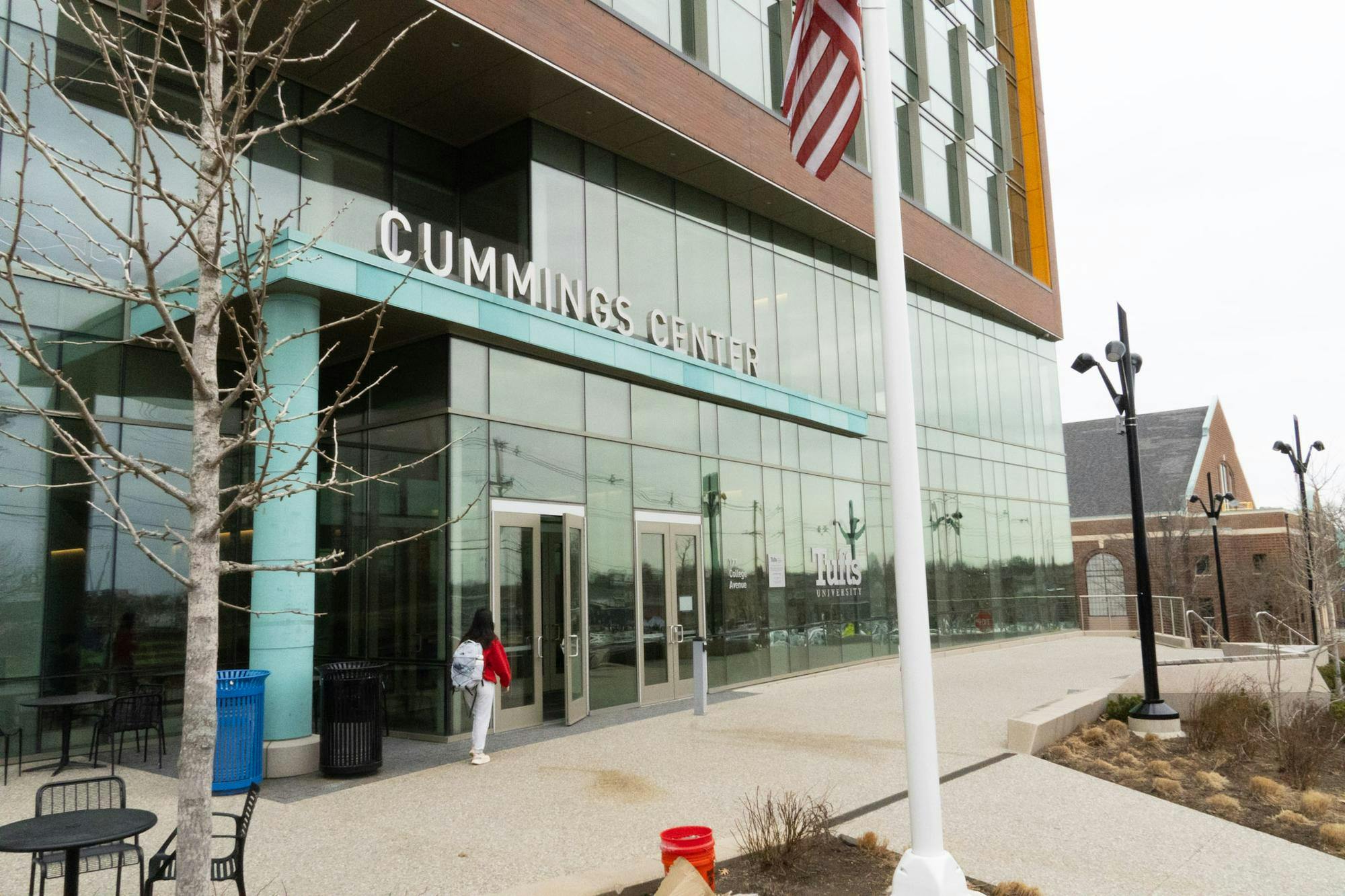
The Tufts Community Union Senate will host a town hall early next semester to explain how tuition and fees are spent across the university as the overall cost of attendance continues to rise.
TCU Senate President Dhruv Sampat, a senior, argued that annual tuition hikes have made Tufts one of the most expensive schools in the country. For the 2025–26 academic year, the sticker price rose to $96,078, nearly $4,000 higher than the year prior.
“I think tuition transparency really seeks to unlock everything that goes behind that tuition — where that money goes, what that’s doing — and hopefully [allows] students to have a say in where their money is being spent,” Sampat said.
The town hall continues the practice of annual community meetings held before the COVID-19 pandemic. Patrick Collins, Tufts’ executive director of media relations, said that university leaders would focus on the importance of financial aid.
“We’re looking forward to the event, and we encourage students to attend to learn about the university’s finances, ask questions, and engage in dialogue,” Collins wrote in a statement to the Daily.
Sophomore engineering student Taylor Willman hopes that the event will shed light on how tuition dollars are allocated given the increasingly high cost of attendance.
“That’s a lot of money that is being paid by so many students,” Willman said. “If we all are on the same page about the breakdown, it would be a lot easier to advocate for changes to be made for where that money is going, because I feel like I have no idea where my money goes right now.”
Class of 2028 TCU Senator Gracie Felsenthal stressed the importance of financial literacy as students make tuition-related decisions.
“Young adults, or people who are adults themselves, are beginning to develop financial responsibility and independence,” she said. “Knowing where your money is going is important for that as we start to get jobs.”
She added that transparency from the university would ensure students’ trust that their money is being handled responsibly.
“The lump sum of money is very large, and by breaking that down — having the people who are in charge of spending this money and setting these prices explain that to us — makes it so that we can be more educated as to where it’s going and feel more confident in the university that we’re attending and knowing they are being financially responsible on our behalf,” Felsenthal said.
Town hall speakers will address the Tufts Tuition Pact, announced earlier this year, which eliminates tuition costs for students from households earning $150,000 or less annually.
“I feel like when I applied here, I didn't really know what kind of financial aid I was going to be receiving,” Willman said. “I think having that tuition pact will make it a lot easier for students to make educated decisions about where they are applying.”
Sampat mentioned turning the event into an annual occurrence to ensure cost transparency across issues beyond just tuition, including meal plans and student organizations.
“Where does the meal swap system work? Where does it need some input from students? We’re also looking at clubs and student organizations,” he said. “It is a broader discussion of many different types of costs and many different aspects that we’re looking to get subsidized.”
Sampat added that the TCU Senate supports initiatives aimed at reducing the cost of attendance, including the Student Support Fund, which provides eligible students with financial assistance for student activities. The Senate also supports leadership stipends for student leaders who give up paid opportunities to serve in major campus roles.
The town hall had originally been scheduled for November but was postponed due to scheduling conflicts with speakers.



