
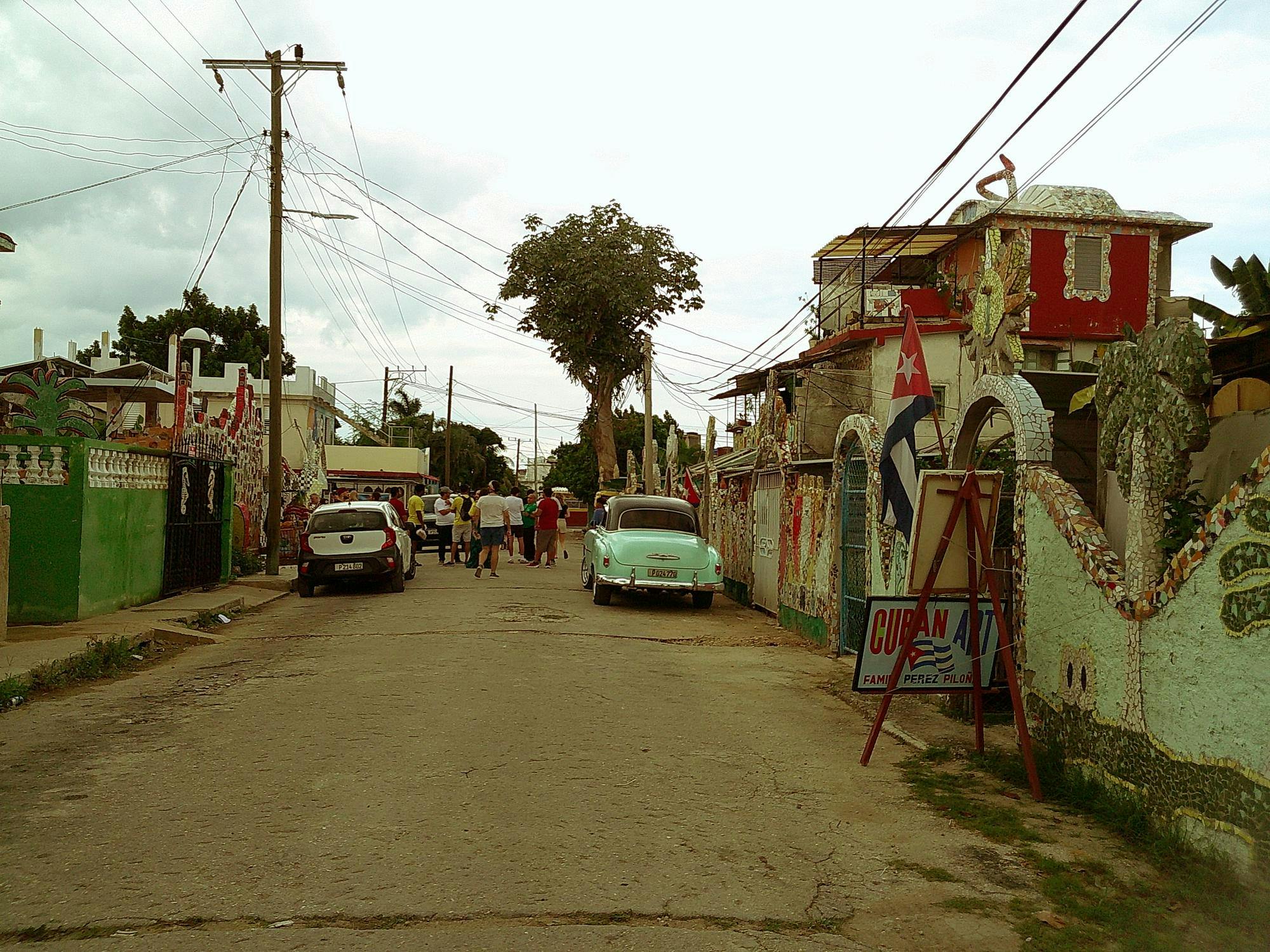
Before I went to Cuba, I believed I had a full grasp of what economic warfare meant. I had read about the U.S. embargo and followed the headlines about its harmful impacts on everyday Cubans. But when I was on the ground in Cuba, everything I thought I knew faded. I saw the reality — ration lines, defiant optimism and a revolution still breathing through struggle. The United States’ blockade is a deliberate strategy of harm, and if we cared about justice, we must recognize it and challenge it. The United States has been able to efficiently mask the horrors of its blockade on Cuba, and it is our responsibility as Americans to ensure that Cubans can live with dignity and self-determination. Genuine solidarity with Cuba begins with bringing the blockade to attention as a source of the crisis and recognizing how U.S. narratives distort the reality of Cuba to keep Americans passive.
I had the incredible opportunity to travel to Cuba with the Democratic Socialists of America’s Cuba Solidarity Working Group. I saw how the U.S. blockade shapes everyday life: empty grocery shelves, shortages of hygiene products, classrooms missing basic materials and hospitals having to reuse medical supplies. All of these conditions exist because the U.S. restricts Cuba’s access to global markets. Yet people fight to maintain their universal healthcare, keep education affordable and support one another through neighborhood networks and ration sharing.
There were moments when I could feel the U.S. blockade within my body. I got sick from food that Cubans rely on every day — not because Cubans cannot cook or preserve food, but because the sanctions force the country into fragile supply chains with unstable refrigeration and inconsistent imports. What passed for me for a couple of days is what Cubans have to navigate for their entire lives under a policy designed to break them.
Throughout this trip, I saw the tensions between pride and exhaustion. We were shown around Havana by people who still fight for the revolution’s promises, even as they navigate the exhaustion that comes with living under the U.S. blockade. In between tours, we had the opportunity to speak with locals at bars, restaurants and on the streets. People talked openly about the pressure they feel, the contradictions they live with, their commitment to the revolutionary project and the exhaustion of daily scarcity. They described searching for tampons and toilet paper, the rising difficulty of obtaining antibiotics and the financial strain from inflation exacerbated by U.S. sanctions. Even simple things like toilet paper reflected this pressure. I had to carry my own because so many public bathrooms could not reliably stock it. It is yet another reminder of how U.S. sanctions turn basic goods into luxuries. Yet every single person we spoke to explained that they were able to share rations and receive community support to survive together.
Despite the horrors of U.S. economic domination, people in Cuba find ways to survive, laugh and love each other. Seeing this up close made me far angrier than reading about it ever could.
I always knew that the blockade was inhumane, but hearing directly that hospitals have to reuse supplies because the U.S. blocks Cuba from purchasing medical equipment deepened my understanding of how intentional this harm is.
When I was walking around Old Havana, I saw children begging for money. I didn’t have any cash on me, so I gave a child some pistachios I'd bought at Target for 50 cents. His excitement startled me. This was not about Cuba’s failures; it was about how U.S. policy manufactures poverty by design. Cuba is not poor by nature. Cuba is kept poor in retaliation for building a socialist state and refusing U.S. domination. It made me think about how the U.S. leftist movement has failed to meet the demands for internationalist solidarity.
The U.S. justifies its economic terrorism against Cuba by claiming that it is defending democracy and protecting freedom. But I have to ask: What kind of freedom are we protecting that starves children and violates a people’s sovereignty? That is something every single American with a conscience should question.
I will admit that the Cuban problem is very complex. But one thing is clear: The U.S. blockade creates hardship and forces people in Cuba to endure unnecessary suffering.
The government implements the blockade to make daily life unbearable so Cubans turn against their government. The shortages the U.S. cites as proof of socialism's failures are, in fact, symptoms of the blockade it designed to coerce political change. And yet Cuba continues to provide universal healthcare, free education, childcare for all and free gender-affirming care. They don't do this because it is easy; they do it because it is central to the revolutionary ethic of collective survival.
During this trip, DSA leadership asked us to help with a solidarity project, and for me, it starts with writing this op-ed. One thing is clear: The U.S. blockade must end. We need to rebuild real international solidarity because what is happening in Cuba is not accidental. It is a direct result of U.S. choices and the very basis of U.S. global hegemony. The Cuban people deserve compassion, dignity and sovereignty. They don’t deserve punishment.
This experience has made me think deeply about what we, as young people in the United States, should do. It made me question our role in confronting U.S. imperialism, and how often our society and culture teach us to see the world through an “America First” lens that hides the suffering of others. The blockade is a weapon in our name, as Americans, whether we choose to acknowledge it or not.
If we truly believe in justice, then solidarity cannot stop at our borders. We need to understand how U.S. actions shape life and death in the Global South. We must reject the lie that American prosperity must come at someone else’s expense. Young people have always been at the forefront of movements for change, from the Greensboro sit-in to the Kent State University students protesting the Vietnam War.
Ending the U.S. blockade on Cuba, building real internationalist solidarity and rejecting the “America First” mindset are not abstract political ideas. They are material obligations. If we want to confront U.S. imperialism, we have to build communities of resistance here on this campus. That includes student groups that educate, organize, take coordinated action, run campaigns that pressure our representatives to end sanctions and build coalitions that connect our struggle with Cuba’s. Ending the blockade starts with refusing to let the violence of U.S. policy go unchallenged. Our liberation is bound together, and we have a duty to act as if it is.



