
President Donald Trump signed a proclamation strengthening entry restrictions for foreign nationals from countries that are deemed a potential danger to national security on Dec 16. Seven nations were added to a full travel ban, while another 15 are now subject to partial restrictions, adding uncertainty to the process of applying for and renewing student visas.
The expanded restrictions, which took effect on Jan. 1, do not revoke visas issued before that date but will likely limit new visa issuance and renewals for individuals from the designated countries. Tufts administrators are currently advising students from designated full or partial restriction countries to refrain from unnecessary international travel.
The proclamations are intended to protect U.S. citizens from foreign nationals who “intend to commit terrorist attacks, threaten our national security and public safety, incite hate crimes, or otherwise exploit the immigration laws for malevolent purposes.”
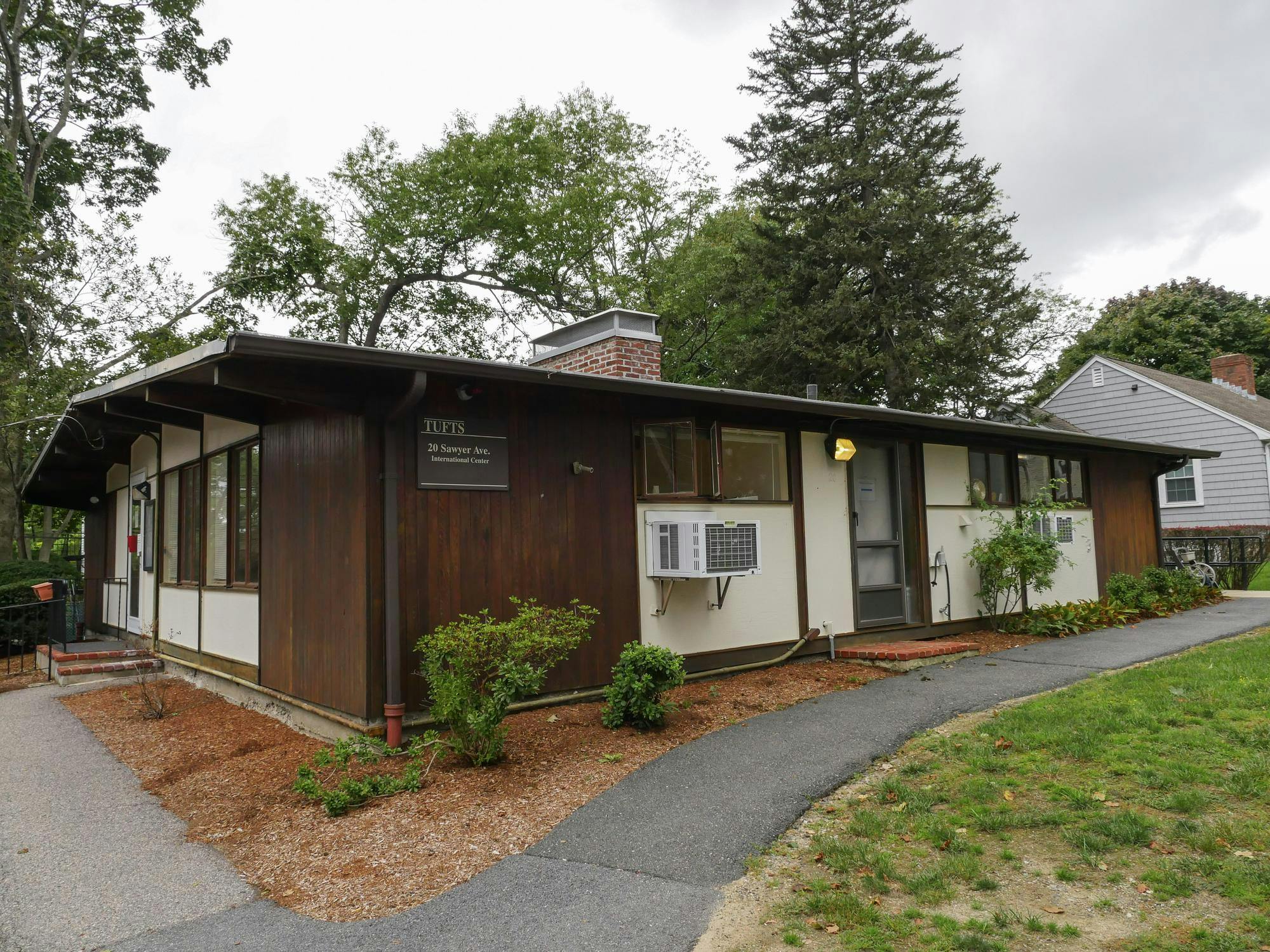
Anna Garson, director of the Tufts International Center, explained that administrators are monitoring the situation closely to assess the policy’s potential impact.
“We’ve been working really closely with [the Office of University Counsel] … and external immigration lawyers to figure out who exactly the ban would impact and to help craft the travel guidance that we’re giving students,” Garson said.
Approximately 150 members of the Tufts community on Tufts-sponsored visas are currently impacted by previous and expanded travel bans, not including those on other visa types. Many students and employees have expressed concern about the possibility of not being able to return to the U.S., even if they have valid visas.
“We have folks who understandably want to visit their families, who haven’t seen their families in years, who are now struggling with whether they should go home for a family emergency, whether it’s worth the risk for them,” Garson said. Students and employees have also hesitated to pursue research or fieldwork that requires international travel, according to Garson.
The International Center serves as a resource for students and employees who have questions about visa guidance or other immigration-related concerns. Tufts provides information on legal resources to all sponsored students, as well as information for those on other types of visas.
“Even when we’re not able to provide definite answers, our office’s role will always be to provide information if we have it, to be as transparent as possible and to help people navigate the uncertainty,” Garson said. “Our approach has been to provide communication and guidance, talk students through it, be a sounding board if they want to vent their frustrations and then connect them with outside immigration counsel if their situation is more complex.”
The expanded restrictions may also affect future applicants who have not yet obtained U.S. visas. Garson explains that Tufts will continue to admit students regardless of country of origin and issue necessary documentation but whether students can obtain visas in time to attend the university remains uncertain.
Some current students think that these recent changes will result in a decrease in the amount of international students who chose to apply to or attend Tufts. Kwame Asare-Quartey, a sophomore and a dual-citizen of the United States and Ghana, went to high school in Ghana and applied for university while living there. He shared what he had observed of how his community in Ghana was responding to these policy changes.
“There are a lot of students I know who are reconsidering educating themselves in America and are considering countries which are more lax, … like the United Kingdom, France, Germany,” Asare-Quartey said.
Immigration policy changes have already affected enrollment at Tufts, with a 3.6% decrease of Tufts-sponsored student visas occurring in 2025.
Asare-Quartey commented that these bans and restrictions don’t only affect students from banned or restricted nations, but discourage students from all over the world from applying to American universities.
“There’s a great deal of fear that maybe I could be next. Maybe my country is not on the list today, [but] tomorrow it could [be]. … A lot of people want to go to college and feel safe, but you can’t really do that in America anymore if you’re an international student.”
Another student involved with the Caribbean Students Organization spoke to the Daily on the condition of anonymity to protect themselves and their family from any potential retribution from immigration enforcement. The student reflected that, despite increasing uncertainty, many international students still plan to stay in the U.S. to study.
“They’re not confident, but I think they’re expecting to be able to renew their visas,” the student said.
In a public safety email sent to the Tufts community on Tuesday, the university reminded community members that there is a protocol for responding to unannounced government officials. They asked that any community members who encounter immigration officials on or near campus call the Tufts University Police Department dispatch at 617-627-3030.
They also reiterated that international students, scholars and employees on a Tufts sponsored visa should contact the International Center with any questions about maintaining status and what documentation should be carried.



