
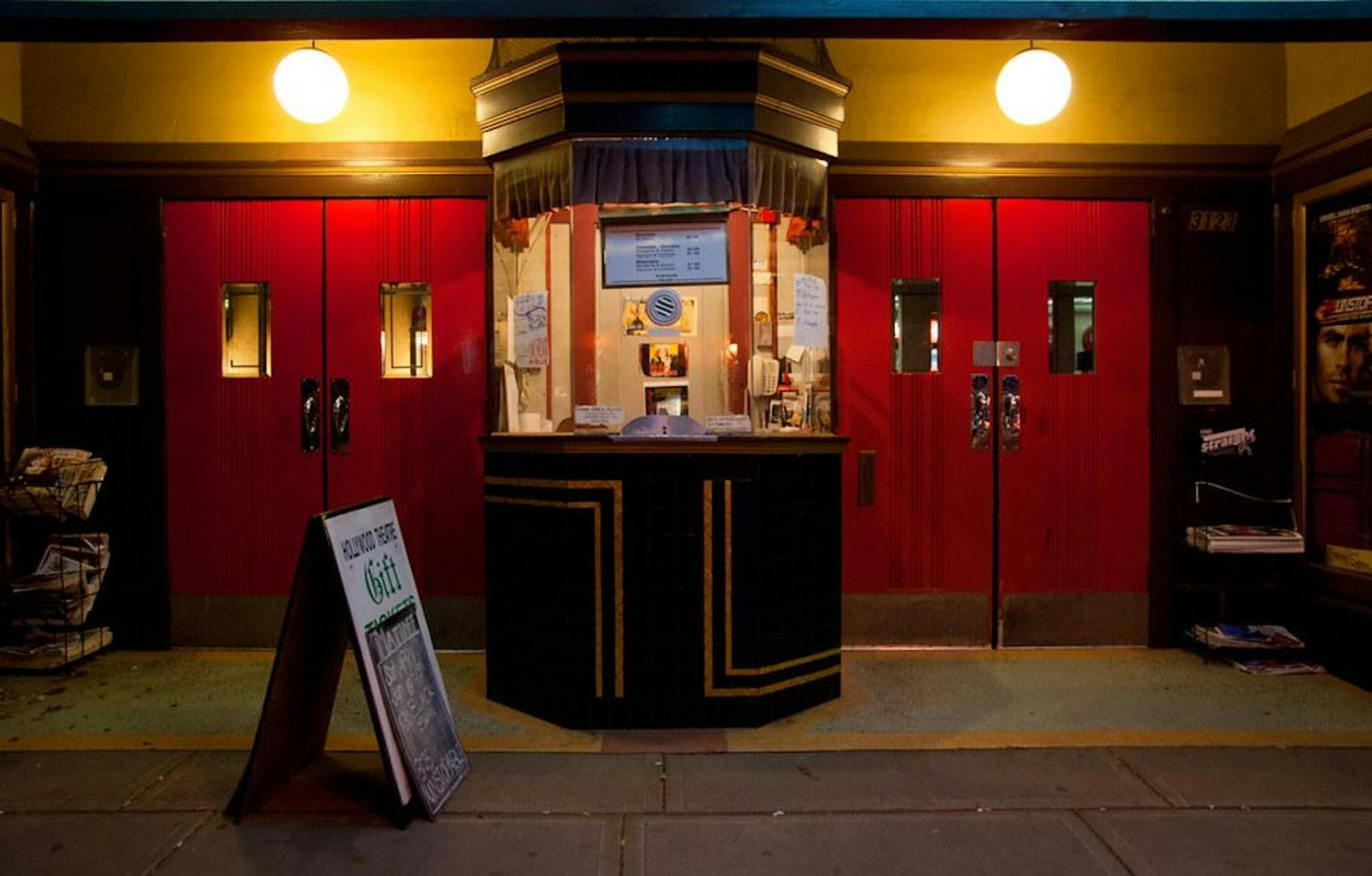
Moviegoers, critics and even casual fans often think that the coronavirus pandemic’s disastrous box office effects, coupled with the rapid increase in movies available to stream at home — even new releases — fundamentally altered the storied practice of theatergoing. This summer, though, the 2026 box office grossed a record of $4.67 billion.
Movie budgets are getting bigger and bigger, with 2026’s “Spider-Man: Brand New Day” costing $225 million to produce and making over $900 million domestically (almost $2.5 billion worldwide). Compared to the original “Spider-Man” film (2002), which cost $139 million and grossed just over $400 million domestically (almost $825 million worldwide), it has become clear that giant movie studios like Marvel and Sony are increasingly looking for ‘home run movies’ — movies that require a large investment with exponentially higher profit potential. Naturally, inflation plays a role in ballooning budgets and grosses, but until summer 2026, the types of movies making money corroborate the fact that movie studios were looking for box office success.
The 2010s in movies were unquestionably the decade of the Spider-Man franchise and Marvel at large. “Avengers: Endgame”, which capped off the superhero team’s decade in 2019, is still the second-highest-grossing film of all time, taking home more than $2.8 billion worldwide. Franchise films, as a general rule, are able to bring in these obscene numbers: nine of the top 10 highest-grossing films of all time are installments in franchises, including but not limited to other Marvel films, the “Avatar” series and the various “Star Wars” sagas. Franchise films are safe investments for high-budget producers: They create a captive audience of fans who become devoted to the characters and are more than willing to pay the price of admission.
The remarkable thing about 2026’s strong performance is that the types of movies doing well differ greatly from franchise fare, which has dominated the box offices of the previous decade. Though the most recent installment in the “Spider-Man” series, “Brand New Day,” quickly placed itself third among the highest-grossing films of all time, adult dramas with smaller budgets such as Olivia Wilde’s excellent “The Invite” or more mature blockbusters by major Hollywood auteurs like Christopher Nolan’s “The Odyssey” were given the budget and distribution to reach as wide an audience as they deserve. Smash horror hits from earlier in the year like “Backrooms” and “Obsession” — directed by young filmmaking upstarts Kane Parsons and Curry Barker, respectively — round out some of 2026’s biggest and best films.
There is nothing implicitly wrong with franchise mainstays, though. Seeing “Avengers: Endgame” and the resolution to a long arc alongside a packed crowd was one of my all-time favorite theatrical experiences. But if that kind of event is all movies have to offer, cinema’s full potential is simply not realized. 2026’s box office not only made a lot of money, but also allowed various kinds of movies on various budgets to profit. While “Spider-Man: Brand New Day” may have begun with an enormous budget, as most superhero films do, “The Invite” had a budget of under $15 million and grossed around $30 million worldwide. Although the net profit pales in comparison to “Spider-Man,” the success of Wilde’s film proves that the audience for smaller films that deal with serious subject matter never went away; the studios just didn’t see enough surplus value potential.
Great art often comes about during turbulent times, whether it be the explosion of European modernist art cinema in the wake of World War II or Bob Dylan writing protest songs amidst the Vietnam War and the Civil Rights Movement. Art has and always will be a filter through which we understand our contemporary culture and ourselves. Cinema has been successful in 2026 across genres, budgets and story structures. As a fan of movies, I hope this means that we can expect a similarly varied cinematic diet in the coming years. It also gives me hope that we are not just accepting our historical moment as an inevitability or simply lamenting it, but actively thinking through our shared situation using the art available to us.



