Skip to Content, Navigation, or Footer.

Science

whale.jpeg
Science

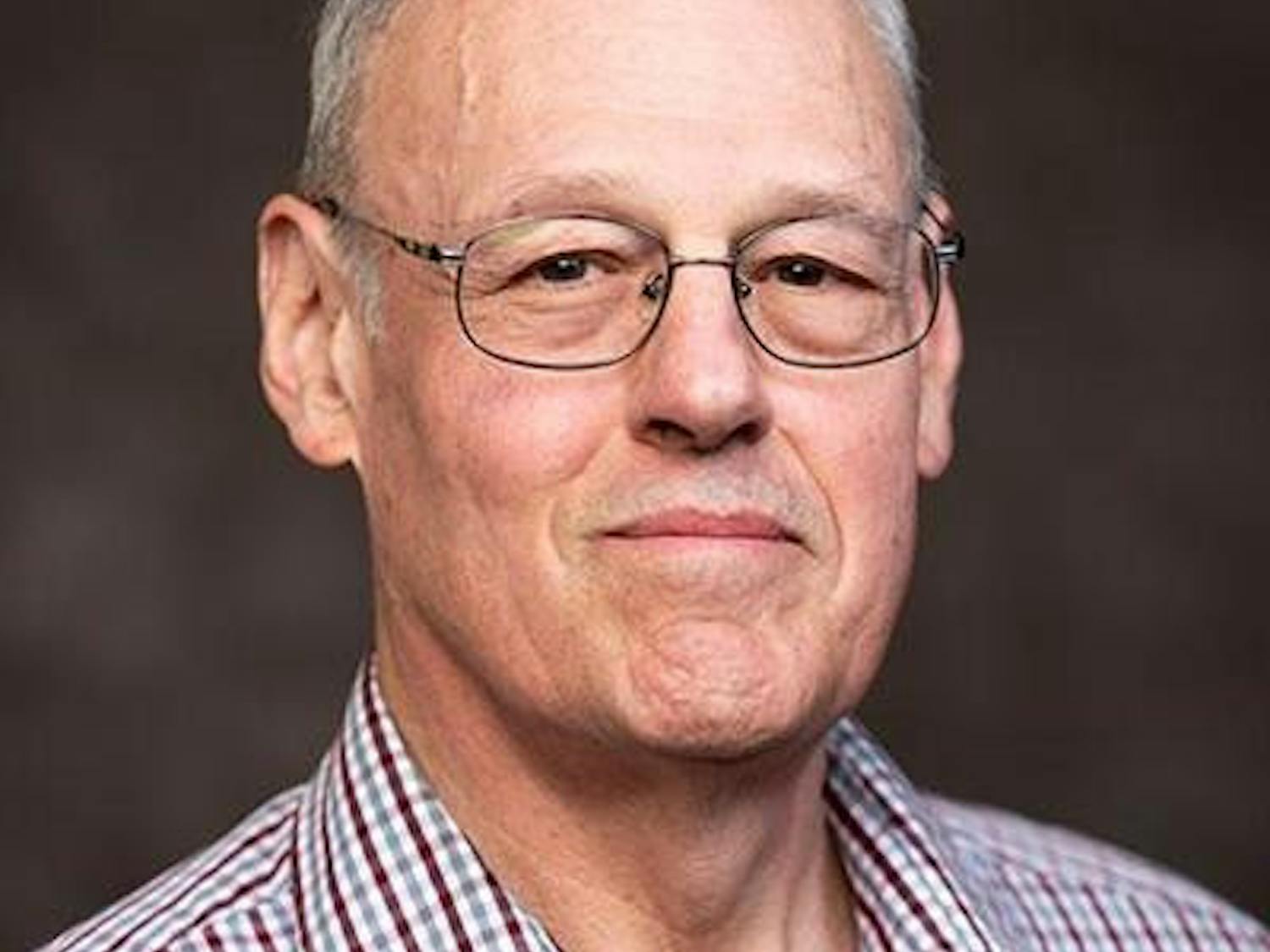
Life in STEM: Michael Moore on the right whale and declining marine populations

Below is an interview with Michael Moore, a senior scientist and veterinarian at the Woods Hole Oceanographic Institution. Much of Moore’s career has been dedicated to research on the health and growth of North Atlantic right whale populations. In his book, “We Are All Whalers: The Plight of Whales and Our Responsibility,” Moore links the collapse of the species to damage from shipping and fishing trauma. Below Moore joins me for a discussion on the immediate jeopardy of the North Atlantic right whale, and how we all contribute to the right whale’s extinction risk through supply chains and consumer demand.


mannequins.jpeg
Science

The uncanny valley vs. Hollywood’s immortal vision

What will live on after your death? According to Hollywood, it won’t just be your children, accomplishments or legacy. In fact, for many of the most acclaimed silver screen performers, the term “death” may be an exaggeration. Technological advancements in CGI and artificial intelligence made during the past 15 years are paving the way for the film industry to keep its actors evergreen, defying death and reversing age.


ozempic.jpeg
Science

Unraveling the Ozempic craze

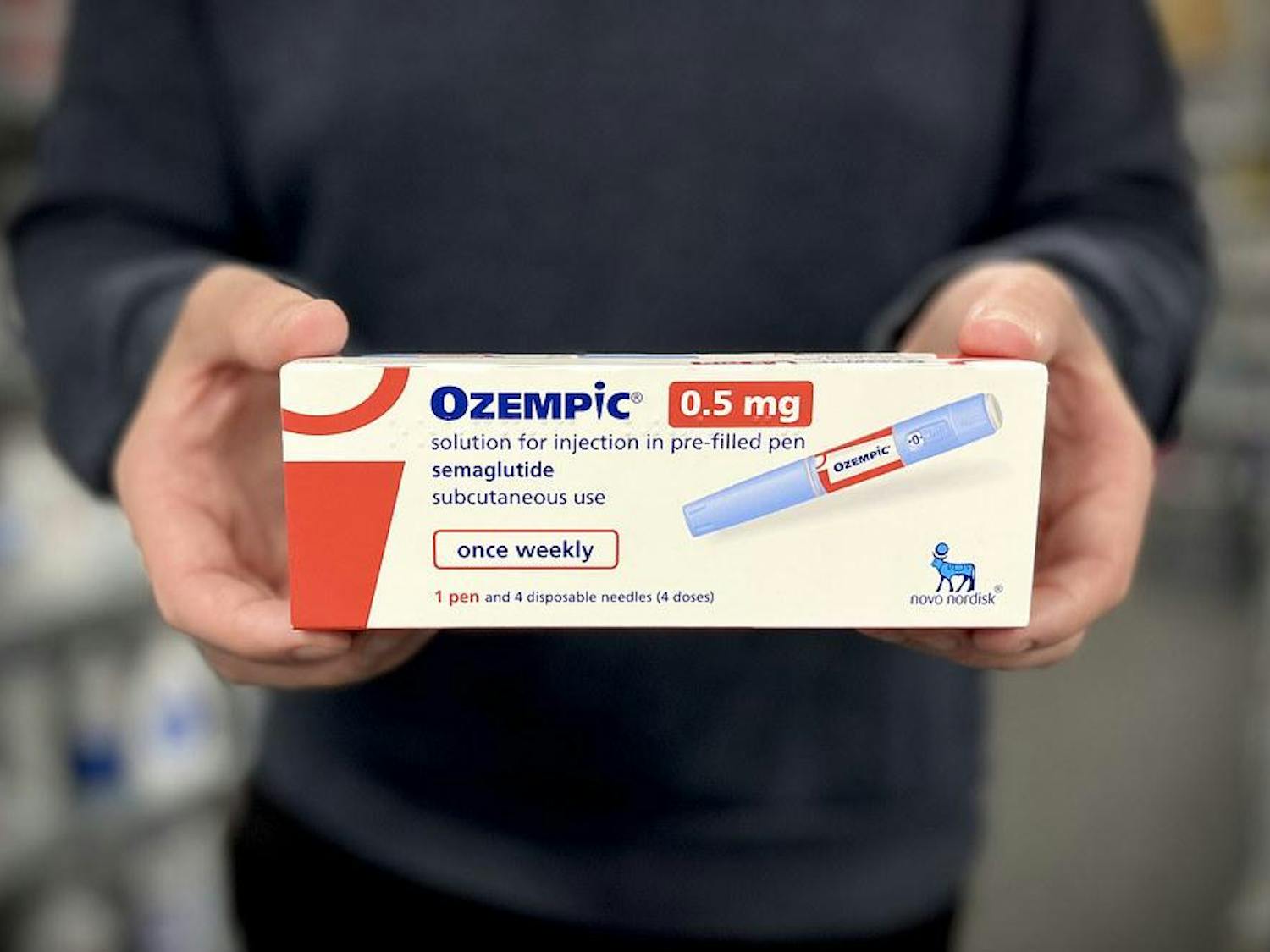
Over the past century, humanity has grown increasingly fascinated by the possible benefits of consuming all sorts of pills and potions to lose weight. The newest wave of this craze has come in the form of injectable medications like Ozempic and Wegovy.


Brain-954822_1280.jpg
Science

The ‘Brain Atlas’: Putting the puzzle together

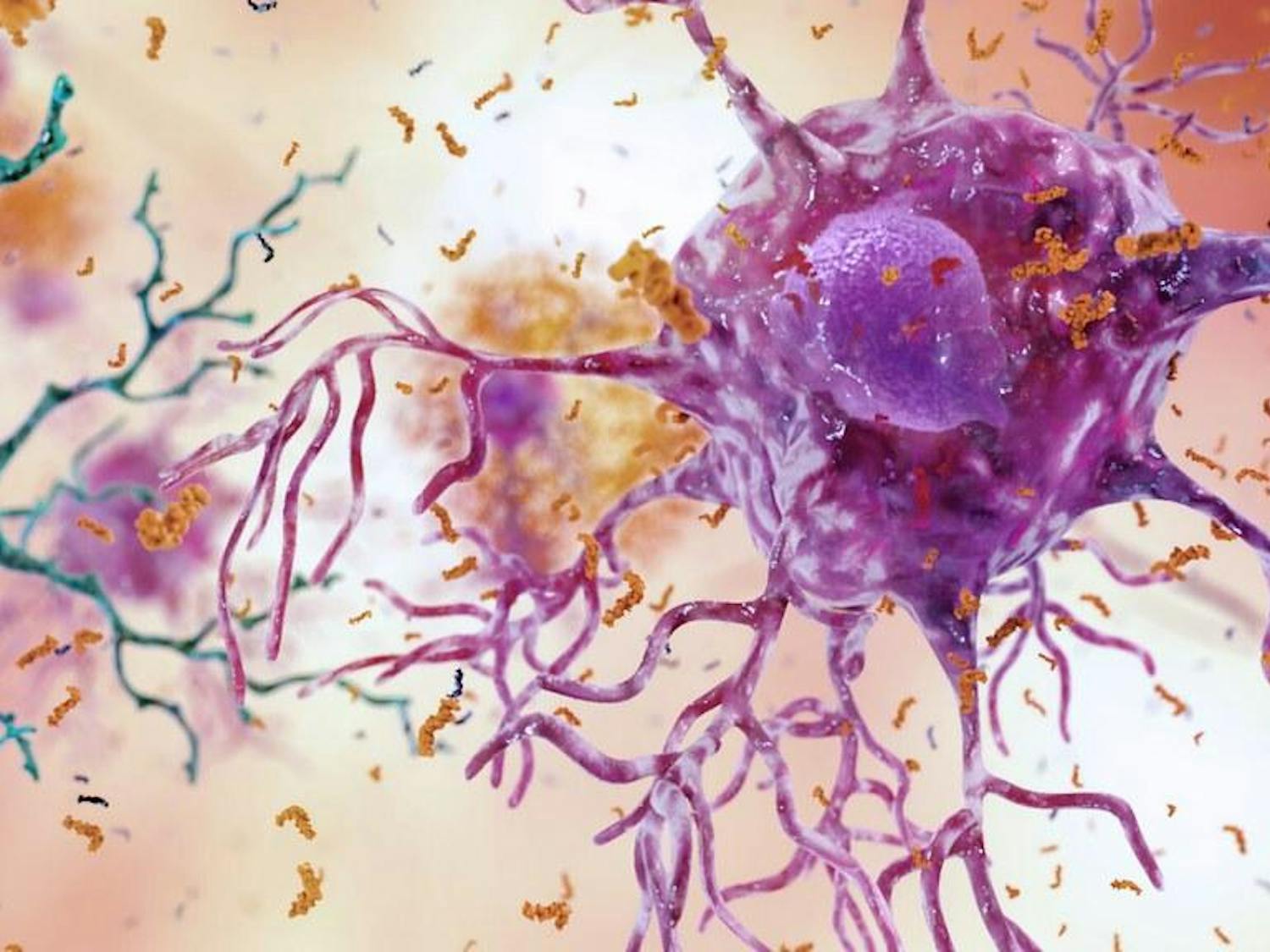
Think of the human brain like a puzzle: an elaborate system of communication between many different linking pieces. Except, a few of the pieces are dusty, and it’s hard to discern where they fit to make a larger picture. Scientists have been working to further differentiate the functions of these pieces — brain cells — to further examine brain function and potentially combat certain neurological diseases.


cough-syrup.jpeg
Science

Phenylephrine: The decongestant that leaves you stuffy

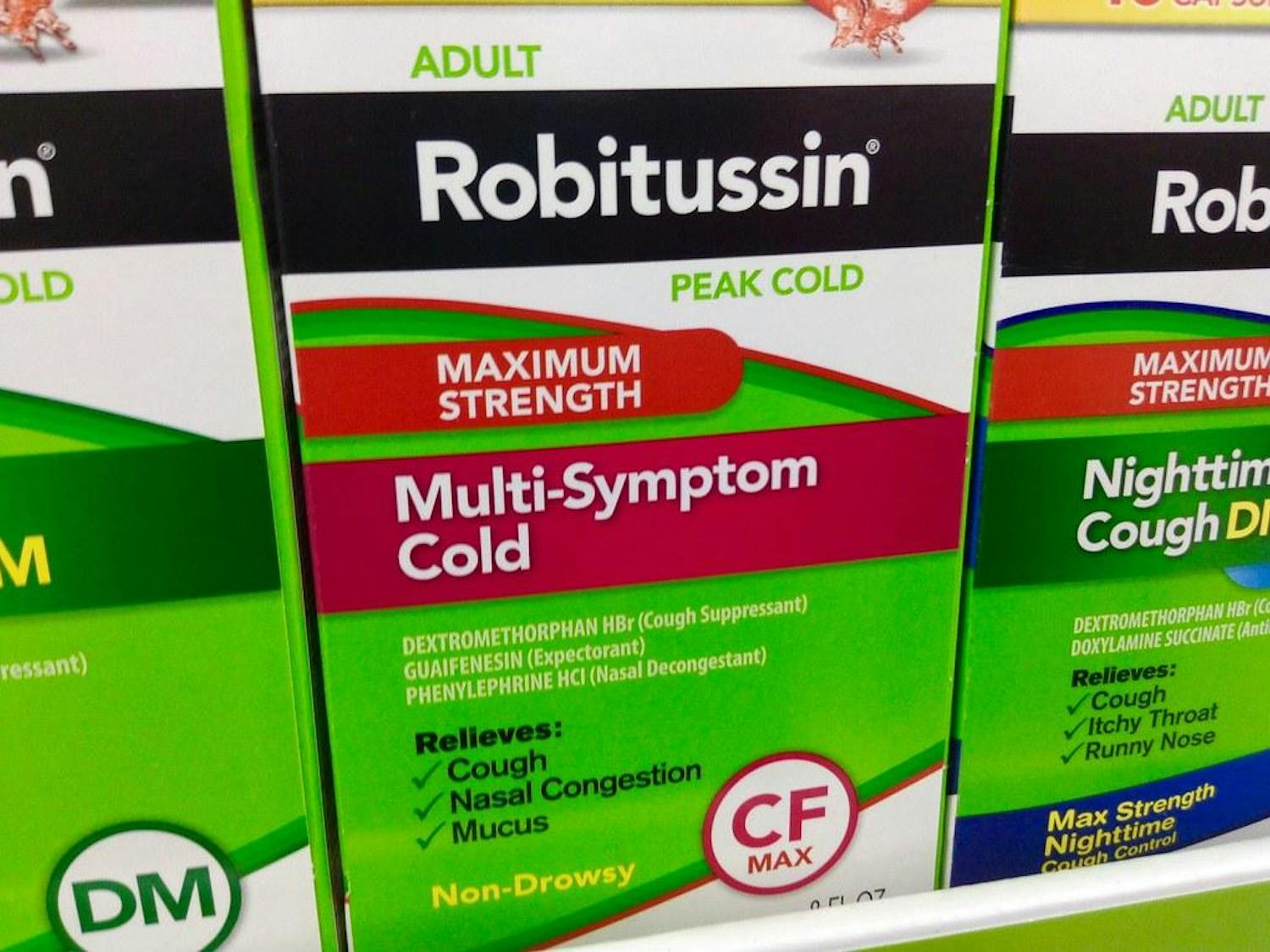
Going into winter, your cold medicines could end up looking a little different based on a forthcoming decision from the FDA. Phenylephrine is an over-the-counter decongestant in many different medicines, including Dayquil Cold and Flu Relief, Sudafed PE and Benadryl Allergy Plus Congestion. But an FDA advisory board recently concluded that at current dosages, oral phenylephrine is not effective. The independent advisory committee, assembled by the FDA, will now review the findings and determine whether phenylephrine is effective. If they come to the same conclusion that the committee did — which they often do — there would be a process to remove medications with phenylephrine from the shelves, and medications containing phenylephrine, especially those containing multiple active ingredients, such as Dayquil, would need to be reformulated. CVS has already announced that it will stop selling products containing oral phenylephrine.


quantum computing
Science

Quantum computers: Available for free from your own home

As you’re reading this, millions of dollars are being invested by big tech companies into developing quantum computers around the globe. Luckily, industry leaders like Microsoft and IBM have also decided that the pursuit of science should have no price tag. Thanks to them, you can run experiments on real quantum computers for free from the comfort of your own home.


Flu_Shot_Advertising.jpg
Science

Say ‘Shoo!’ to the flu this fall

When someone mentions “fall,” a few things may come to mind, like the changing leaves, a new NFL season or “Gilmore Girls” (2000–07). However, fall is also host to something much more insidious: the start of flu season. The influenza virus infects millions of Americans every year, with tens of thousands dying. The flu is known for constantly mutating, so scientists are annually working on vaccines to combat new strains. Time Magazine reports in 2023 that twice a year, the World Health Organization collaborates with professionals to evaluate which strains should be combated via vaccine in the Northern and Southern Hemispheres.


HELA_cells_stained_with_DAPI_and_Phalloidin.tiff_
Science

Henrietta Lacks and her legacy

Henrietta Lacks died of cancer in 1951 at age 31, not knowing that her cells would create the foundation for modern-day medicine and that her treatment would play a predominant role in the rise of medical ethics. During a hospital visit, doctors collected a tissue sample from Lacks without her consent. Biotech companies later went on to tremendously profit from Lacks’ cells without ever compensating her or her family. Sadly, this is one of many instances of blatant racism in the medical system, many of which do not receive nearly as much media attention.


IMG_1547-scaled
Science

ChatGPT: Love it or hate it, you have to understand it first

If you have been active on social media over the last four months, it is very likely that you have heard about the hype of ChatGPT. You might have experimented with it or used it for an assignment. But do you know how it works? Is it going to replace your job? Is this the start of an artificial intelligence powered apocalypse?


The Setonian
Science

Despite progress, STEM professions still lack gender representation

Edith Linwood Bush followed in her father’s footsteps, graduating from Tufts University in 1903. She was the head of mathematics at Chelsea High School and principal of Provincetown High School before being appointed as the assistant professor of mathematics at Tufts University in 1922. While this story doesn’t seem to be anything special today, it is one of its kind since, according to the Concise Encyclopedia of Tufts History, this made her the first female professor to teach in the College of Engineering.


640px-CRISPR_CAS9_technology
Science

Bite-Size Science: The contentious and groundbreaking endeavor of genome editing

Imagine if we could curate the ‘perfect’ human being — from changing their eye color to developing resistance against deadly illnesses. Is this a groundbreaking pursuit or an unethical idea? When He Jiankui, a Chinese scientist, announced in 2018 that he had changed the genetic makeup of three babies to make them resistant to HIV, he was placed in prison for three years. Nevertheless, the influence of his actions on the scientific field is strong and persistent.


CVS_Pharmacy_at_Target_Dadeland_Miami_Florida_2022
Science

Bite-Size Science: FDA approves over-the-counter Narcan, an antidote for opioid overdose

The U.S. Food and Drug Administration approved Narcan for over-the-counter sale on March 29. Narcan, which is also known by its generic name, naloxone, is a fast-acting nasal spray medication produced by Emergent BioSolutions that reverses opioid overdoses. The decision comes two weeks after the Nonprescription Drugs Advisory Committee and Anesthetic and Analgesic Drug Products Advisory Committee unanimously voted in favor of allowing the nasal spray to be sold over the counter.


640px-MOHAI_-_analog_computer_03
Science

Bite-Size Science: The return of analog computing, a brief on the latest quantum computing innovation

While digital computers have become entrenched in our daily lives, a new analog quantum computer offers a stark contrast in both its design and capabilities. A team of physicists from Stanford University and University College Dublin created the “Quantum Simulator platform,” making it possible to solve previously unsolvable problems. This new analog computer represents a breakthrough in how scientists understand superconductivity and its merits.


DSCF0435
Science

Tufts professors receive $8 million investment for biotech startup

Morphoceuticals, a biotech company co-founded by Tufts professors Michael Levin and David Kaplan, recently received $8 million in seed funding from Prime Movers Lab and Juvenescence. The company is taking a new approach to the challenge of regenerative medicine by exploring the bioelectric controls of the human body to induce the regeneration of tissue, limbs and organs. Levin hopes their work can revolutionize regenerative applications and help millions of people with various injuries and health conditions.


PDB_1o6a_EBI
Science

Collaboration between universities yields novel biodetection methods using proteins, silk

Imagine if there were ways for your mask to detect a COVID-19 infection or your bra to detect signs of breast cancer. Researchers at Tufts University and the University of Washington are working to make these speculations a reality. Labs at the two universities recently developed a novel way to detect viruses, toxins and other biomarkers through the use of de novo protein switches in a silk fibroin matrix. The research, published in Advanced Materials in December 2022, stemmed from a collaboration between the Silklab at Tufts and the Institute for Protein Design at the University of Washington.