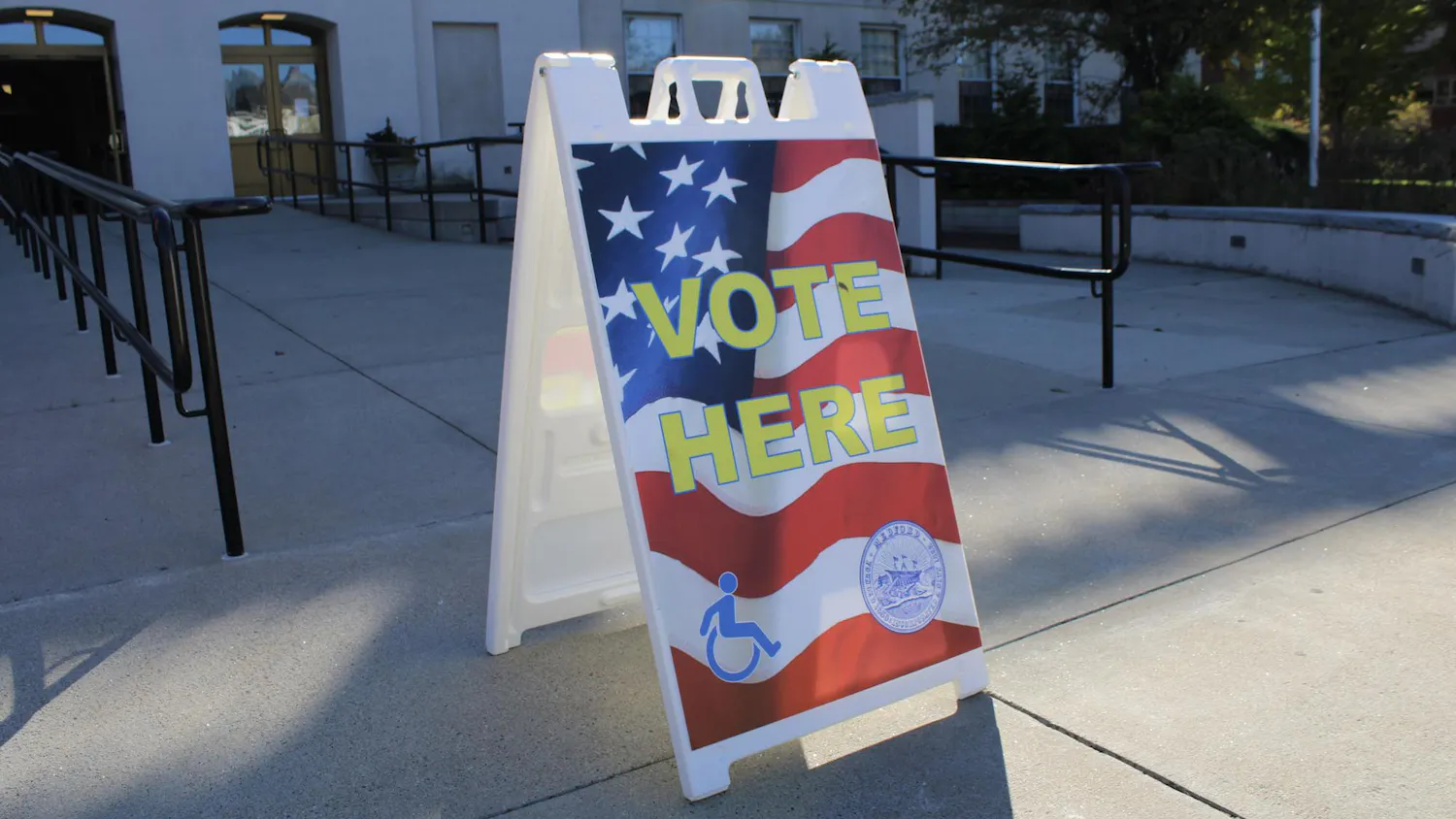
In the wake of a spring Tufts Community Union (TCU) Senate election season that saw atypically low participation and no competition for any of the 17 candidates, senators and administrators have cited an inadequate effort on the part of the Elections Commission (ECOM).
Twenty-one seats were available to rising sophomores, juniors and seniors; since only 17 students submitted the required signatures and paperwork, each seat was uncontested and there will be no election for senators held this spring.
The lack of contested seats has led a number of individuals, both in and outside the Senate, to question whether ECOM, whose five student members receive a $500 stipend per year-long term they serve, held up its end of the bargain in effectively advertising the open seats.
According to Senator Wyatt Cadley, a sophomore, ECOM this semester did not provide potential candidates or voters with sufficient information about the upcoming elections.
"Multiple factors went into the Senate seats going uncontested; the most important was ECOM," Cadley said. "Every student with a stipend has responsibilities, and the student body expects certain things to be provided right now that are not being provided, and that's very obvious."
Although junior and senior Senate seats are typically uncontested, Cadley said, candidates seeking to represent the sophomore class are usually met with challengers.
"It's somewhat expected that junior-[and] senior-year senators walk on," Cadley said. "The problem was that there wasn't a targeted effort to recruit freshmen to run for sophomore positions."
This marks the second time this year that ECOM has come under fire for inadequate advertising efforts. The body defended itself in the fall against criticism that it failed to sufficiently notify freshmen of the procedure for applying for Senate positions.
ECOM Chair Katherine McManus, a sophomore, maintained that the commission's advertising efforts for its general interest meetings and candidates meeting, which provide students with materials and procedures for how to run for Senate seats, were up to par. She attributed the uncontested election to lack of interest among freshmen.
"I don't think our publicity was the root of the problem," McManus said.
ECOM held two general interest meetings this month that attracted approximately 20 students each and were advertised through TuftsLife, flyers and a Facebook event, according to McManus.
ECOM's budget each semester, which draws from the student activities fee, was as of this April pegged at $1,477, according to TCU Associate Treasurer Matthew Schuman, a junior. Schuman said two-thirds of that sum is typically allocated for the presidential election, but the remainder is allocated for advertising general elections. He said the money should have been more efficiently used.
"If they're not going to spend the money we allocate them, why are we giving it to them?" Schuman said. "When we give money to groups, we try to make sure they have an ad in the Daily; it adds to the seriousness of the event."
ECOM cited budgeting constraints because of several special elections earlier in the semester as the reason it did not purchase an ad in the Daily.
The responsibility of generating student interest in Senate elections does not rest solely on ECOM. Cadley said in order to bolster participation in future elections, the Senate must become more appealing to Tufts students.
"It's about getting students to recognize that Senate is an organization that can bring about tangible change. We have to redirect our image from being about 35 people with an inflated ego arguing over amendments to being more driven and more about action," Cadley said. "I think that in the coming years there's going to be pressure on Senate to rebrand itself and to redefine its relationship with the administration and student body."
Office for Campus Life Director Joe Golia, the administrative contact for ECOM, agreed, saying the lack of student interest could be alleviated by sustained efforts by both ECOM and the Senate aimed at generating knowledge of opportunities on the body beyond election season, essentially giving the Senate a facelift and keeping students up-to-date on open positions.
"It's a matter of truly not understanding the work of Senate, and if more students understood those opportunities, they would want to be a part of it," Golia said. "They need to do more outreach on who they are, what they do and what they accomplish."
The current method, Golia said, of holding general elections once a year and filling each open Senate position as senators resign or take leave detracts from the overall election process, wasting time and money that could be better spent.
Golia has approached ECOM about amending its bylaws to create two full-fledged "election seasons" each semester rather than trying to fill each seat as it opens up.
"It has the potential to be much more organized. People know what's coming and what's happened; they're not just running for a new position every week," Golia said.
Golia said that amending ECOM's bylaws to create such an election system would require the leadership of ECOM members and enough votes to pass necessary amendments.
"It's a matter of someone taking the lead; I don't [think] anyone was opposed, but I don't think anyone's gone for it yet," he said.