When I came to Tufts in the fall of 2022, I was still in shock from the start of the full-scale invasion of my home country, Ukraine. I was exhausted by uncertainty: watching the horrific news unfold, not yet knowing how to cope with the daily tragedies caused by the bombings and fighting on the frontline. Speaking up about the war on social media was helping me to feel less powerless. When I heard about the Daily, I realized that writing for the newspaper would be another great way to raise awareness about the war — a tool to turn my frustration into helpful actions. At first I was not sure that I would find support for a column about Ukraine. However, from the very first meeting in the Opinion section, I felt encouraged to express my reflections about the war, and this support helped me tremendously to gain the courage to share my personal, often traumatic experiences through my writing.
At the time of that first meeting, I had not yet voiced the idea of the column but had simply suggested the topic of Ukraine when we were pitching articles. A few days later, I was incredibly surprised to see a piece about the war in the paper, written by a student who was also at the section meeting. Seeing it was a final push for me to apply to write a column, which I did shortly after. The author of the article later became my column editor for a semester, and I am incredibly grateful to him and to all the people from the Daily with whom I worked throughout these three years. All of my editors shared this journey of writing about war-induced death and suffering — but also positive developments and resistance — with me. Without their encouraging words and careful suggestions, not only would my writing not be as strong, but I would have also written less. Thoroughly covering such a traumatic topic without this support system would have been very challenging, especially considering that most of my projects at Tufts also revolve around the war in Ukraine.
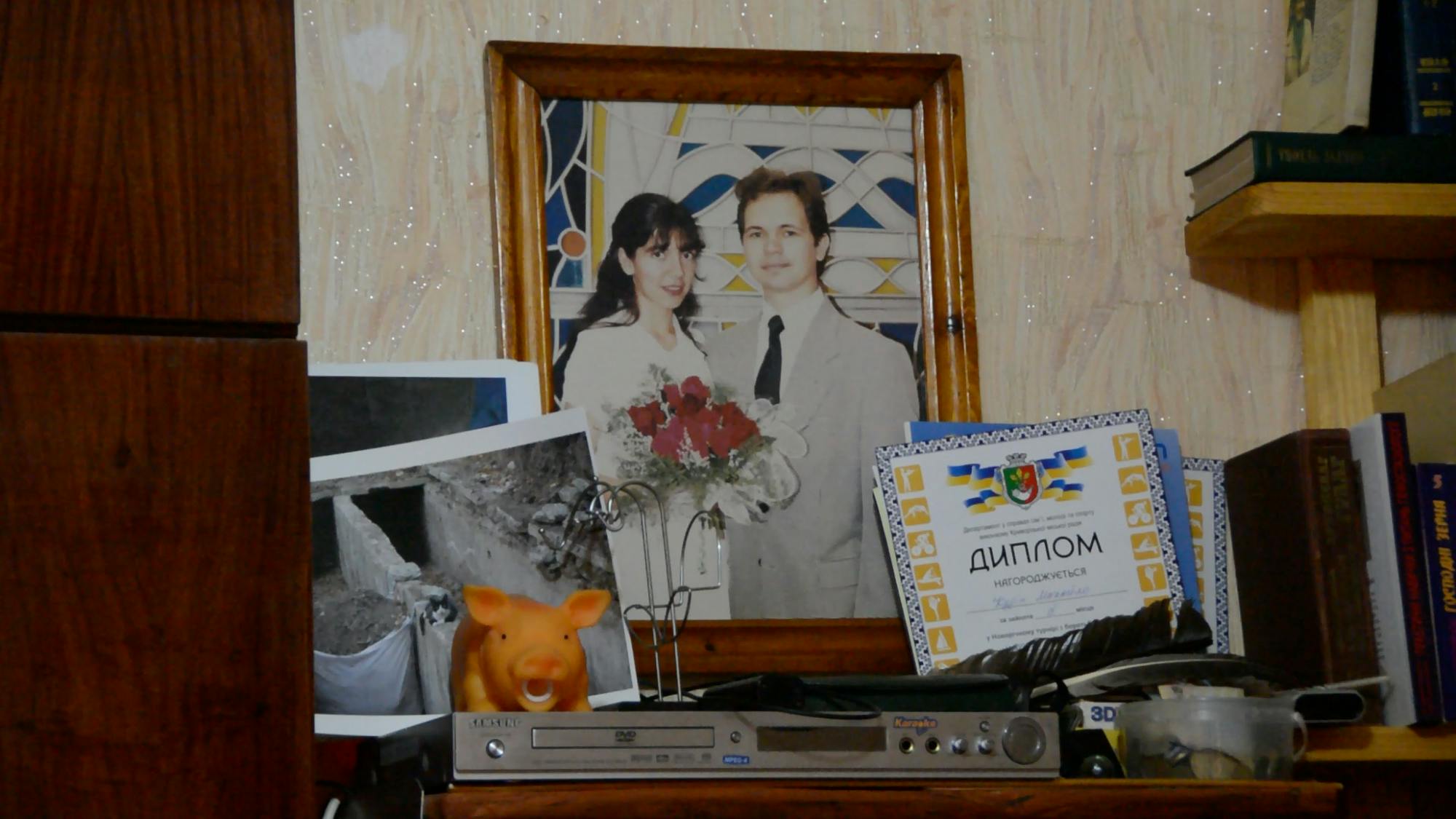
During my senior year, I have worked on two theses — a paper and a short film — both covering topics related to the war. My thesis paper focuses on the documentary “20 Days in Mariupol” (2023), directed by Mstyslav Chernov, and in some ways resembles the articles that I wrote for the column, as I have frequently covered the siege of Mariupol. The film that I created for my other thesis looks into how the war affects familial relationships. In particular, it explores how my parents’ relationship dynamic strengthened after my mom returned from her temporary migration to Poland at the beginning of the full-scale war. These projects carry a lot of emotional weight, and working on them in addition to writing my column was tough at times. However, due to the support of the Daily and the Tufts community in general, I was able to continue speaking about Russian atrocities in Ukraine. Seeing my work occasionally change the perspectives of people has been very rewarding. I distinctly remember my classmates who did not have ties to Ukraine telling me that my video work made them better understand the realities of the war.
The School of the Museum of Fine Arts and the Daily have given me a safe space to share my experiences and opinions, as well as a platform to learn using soft power (words) to develop the Ukrainian cause. I am beyond grateful that upon my graduation, I feel I am able to invoke at least some small change that could eventually bring justice for my country, and I most definitely feel a lot less paralyzed by the war. With every article and project, I grew to be more confident in expressing my political stances, and I am endlessly grateful to have had this chance to develop as a writer surrounded by such reassuring and caring people.