
As a native Texan, I’ve spent my fair share of time at Christian overnight camps, where many of my former bunkmates gradually shifted their summer plans from Bible study and kayaking to religious mission trips. These missionaries, predominantly white and Christian, waste no time posting on Instagram to commemorate the end of their missions. They often capitalize upon South American communities and exploit their interactions with children to garner empathy and praise from their peers without the consent of the families they work with.
Missionaries — individuals sent on religious missions abroad, often to promote Christianity — can unknowingly embody white saviorist and colonial practices through their attempts to re-educate with Christian ideology. They assume the self-serving role of mentors and shamelessly use the communities they ‘help’ for publicity and fame.
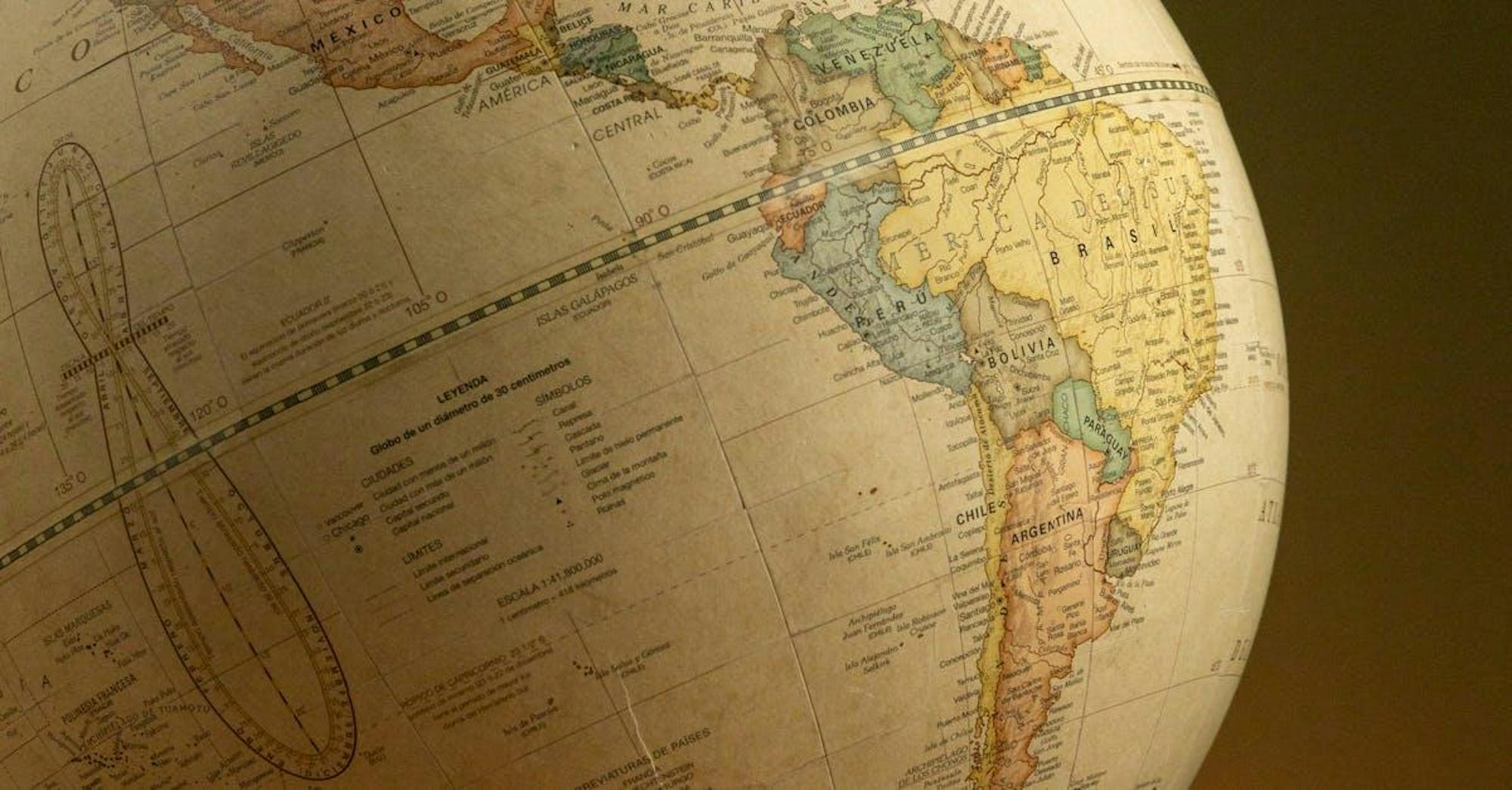
Although the brutal colonization that permeated Central and South America throughout the 15th century may have purportedly ended, traces of its sinister effects live on in modern religious mission trips. While today's missions may not involve the formal political control of colonialism, there are parallels between the saviorist attitudes of Spanish colonizers as they traversed across oceans to Christianize indigenous populations and modern Christian missionaries that impose foreign religious practices upon communities, sometimes without interest from the communities themselves.
After arriving in the Americas, Spanish colonizers terrorized indigenous populations, forcibly enslaving them, converting them to Christianity and ignoring their traditional social structures and religious practices. Many communities of Latin America were destroyed as the Spaniards enacted a cultural genocide upon them — one that resulted in lasting threats to the livelihood of Latin American communities, including the spread of disease, environmental degradation and economic instability.
Bartolomé de Las Casas, a Dominican friar and one of the first Spanish settlers in the Americas, dedicated himself to exposing the horrors of colonialism in Latin America after renouncing his association with the Spanish conquistadors. His work highlighted the abuse and dehumanization of the indigenous populations, whom Spain often deemed uncivilized. Other Spanish conquistadors continued to employ their privilege and painted themselves as the saviors of Latin America. They claimed to have brought civilization to the indigenous population that was so-called “lazy, idle, melancholy and cowardly,” as one 16th-century Spanish historian wrote. Their minimization of the indigenous populations — who already possessed complex trading systems that spanned the length of the Andean mountain range and established elaborate empires — was rooted in white saviorism.
White saviorism rests on the idea that it is the responsibility of white people to ‘help’ people of color because they “lack the resources, willpower and intelligence to help themselves.” White saviors — colonial or otherwise — inject themselves into marginalized communities to ‘make a difference’ without evaluating whether or not the work they’re doing is wanted or even beneficial.
Online resources promoting the benefits of Christian missions outright admit that “sharing the Gospel with people, whether they are receptive to it or not, is part of what makes a mission trip so fulfilling.” These resources acknowledge the white savior aspect of religious mission trips and note that they do not enter communities as “saviors.” Their transparency about their goals as an organization and commitment to understanding the role of privilege in service work is promising. However, the very foundation of their mission is to disseminate Christian ideology with or without the consent of the individuals they interact with. Without acting in accordance with their words, these Christian mission organizations perpetuate the cycle of white saviorism. The Church of Latter Day Saints, for instance — which represents only one of the Christian denominations participating in religious mission trips — reported 411 active missions worldwide in 2022, many concentrated in areas colonized by the Spanish.
Modern-day mission trips do assume a variety of objectives, from educational support to medical aid, infrastructure development, youth programs and disaster relief. The nuance that exists under the umbrella of ‘mission trip’ makes it difficult to evaluate. I have no doubt that many communities have benefited immensely from the work of missionaries. However, at their core, the majority of mission trips are innately associated with white saviorist ideals that parallel the ideology that guided Spanish colonization and imperialism. It’s imperative that missionaries and college students alike understand the historical context surrounding religion and colonialism in Central and South America.



