
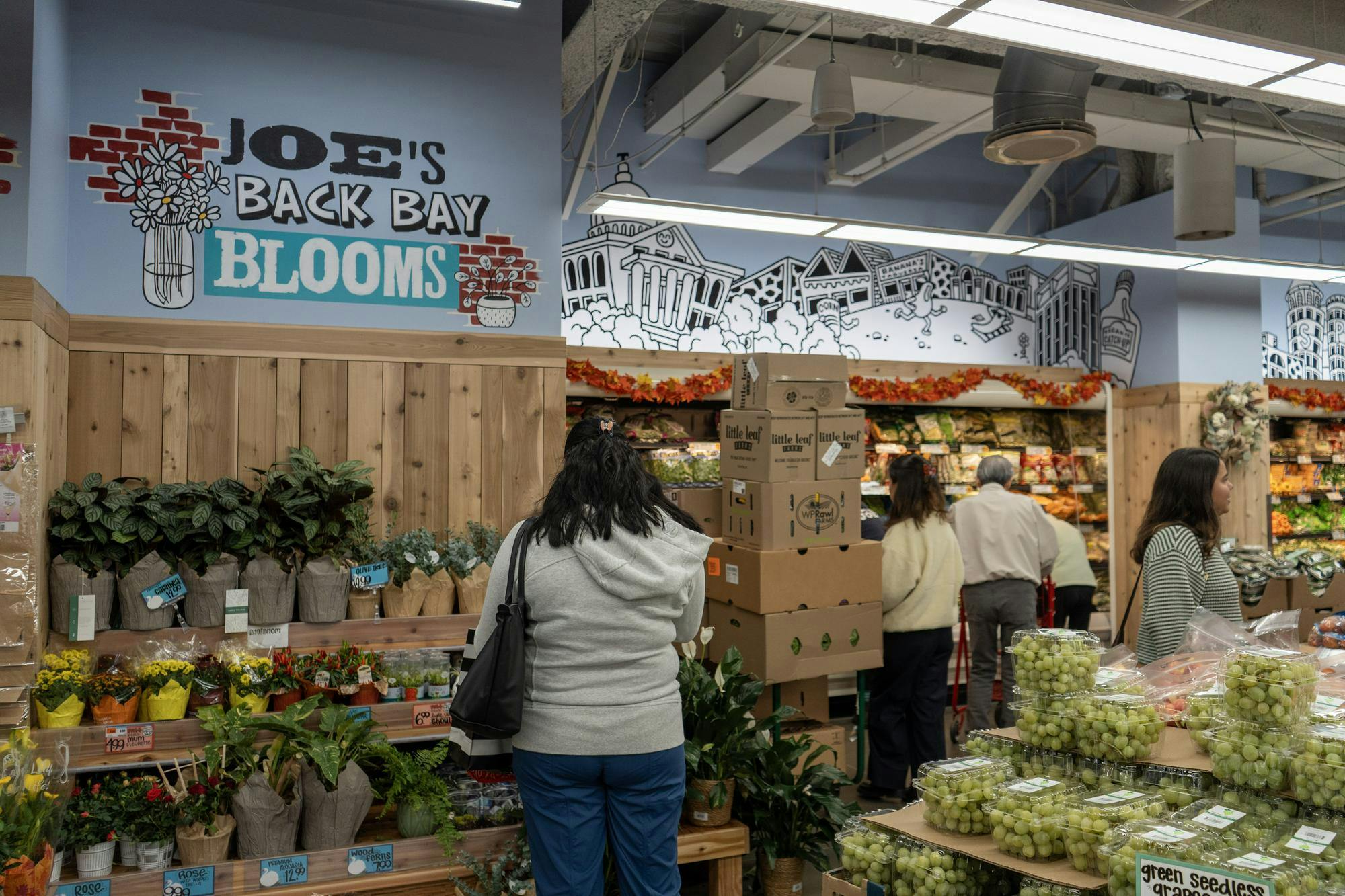
Roughly 41.7 million people rely on assistance from the Supplemental Nutrition Assistance Program. When the government shut down on Oct. 1, the U.S. Department of Agriculture determined that maintaining SNAP benefits wasn’t a priority — leaving nearly 42 million individuals across the country unsure of where their next meal would come from.
The reaction from the USDA was abominable — they blamed Senate Democrats for the federal failure to maintain snap benefits, claiming that they “[continued] to hold out for healthcare for illegal aliens and gender mutilation procedures” in place of “[reopening] the government so mothers, babies, and the most vulnerable among us can receive critical nutrition assistance.”
The longest government shutdown in U.S. history, prompted by a standoff between Senate Republicans and Democrats about healthcare subsidies, finally came to an end on Nov. 12. Arguments over enhanced subsidies, which benefit the poorest Americans, sparked the disagreement, with Democrats repeatedly holding votes to preserve the subsidies that were set to expire at the end of this year.
Although they’re claiming that Senate Democrats are viciously against resolving food insecurity, the USDA, commandeered by Republican leadership, ordered state governments not to take action to provide full SNAP benefits. States that didn’t comply were threatened with financial penalties. The government appears to be genuinely acting against the livelihood of Americans and fails to understand that bureaucratic actions have an impact on the roughly 42 million individuals depending on SNAP benefits.
The administration of President Donald Trump claims that Democrats are putting SNAP benefits at risk by shutting down the government over expiring enhanced subsidies. Should these enhanced subsidies be repealed, lower-income, older and middle-class individuals will bear the brunt of the impact. Households that qualify for SNAP have a gross monthly income at or below 130% of the federal poverty level — much like those who qualify for enhanced subsidies, which predominantly benefit those with incomes below 150% of the federal poverty level. Thus, the households and individuals benefiting from both SNAP and enhanced subsidies aren’t that different. Senate Republicans twist the narrative to blame Democrats for their blatant disregard of human life.
Although they’re claiming that Senate Democrats are viciously against resolving food insecurity, the Trump administration appears to be genuinely acting against the livelihood of Americans and fails to understand that bureaucratic actions have an impact on the roughly 42 million individuals depending on SNAP benefits.
On Oct. 31 — the eve of the day that millions lost their SNAP benefits — Trump threw a ‘Great Gatsby’ inspired Halloween party. This gross display of wealth is a dystopian reminder that the wealthy elite of this country continue to have no regard for those not in their rich circles.
Shockingly, many of the conversations I’ve had with my peers at Tufts have resulted in vaguely apathetic reactions towards the dystopian state of our government. Tufts is known as a school that encourages active civic involvement and democratic participation, so this less-than-outraged response caught me off-guard. However, considering that the median family income of Tufts students is roughly $225,000, with 77% of students coming from the top 20%, it’s likely that the majority of students at Tufts either don’t benefit from the SNAP program or have no reason to educate themselves on who does.
Tufts students live in a bubble of wealth that in no way reflects the economic situation of the United States as a whole. Within this bubble, groceries are either, from what I’ve observed, paid for by a parent, or food is provided as a result of the semesterly meal plan costing an unnecessarily high $4,453. When students are already drowning in academic work, they opt to ignore updates on the temporary cutoff of a government assistance program that likely doesn’t even benefit them. Instead, my peers fret about potential airline closures and long Transportation Security Administration lines, conversations they seem to be much more receptive to.
The temporary delay of SNAP benefits is a warning sign. It highlights the government’s ability to simply cut off access to food — a basic human need — without regard for those who need to eat. Students on campus might not reap the benefits of SNAP, but it’s imperative that the Tufts student body understands this for exactly what it is: a gross display of dictatorial power and a disinterest in the livelihood of the American population.
You might not have been directly impacted by this government shutdown or the temporary cutoff of SNAP benefits, but what’s to say you won’t be the government’s next target? It’s imperative that individuals across the nation — especially those with privilege and the ability to advocate for what’s right — understand how exactly the government works to disenfranchise the most vulnerable populations across the United States, so they’re able to combat this gross display of power.



