
Nelio Biedermann’s “Lázár” opens with an epigraph taken from a poem by German writer Alfred Lichtenstein. “A blond poet perhaps goes mad” is inscribed on the page in greeting, maybe in warning. And just as Lichtenstein’s blond poet unravels, so do Lázár’s subjects.
The novel was first published in German, the author’s native language, in 2025, and rapidly became a bestseller. It is now being translated into over 25 different languages, and Jamie Bulloch’s English translation was published on April 14. Rapidly, “Lázar” has broken into the American literary scene. Authors Patti Smith and Daniel Kehlmann called it “exquisite and masterly” and “astonishing,” respectively. The novel is already widely acclaimed by critics, and rightfully so. “Lázár” stands on its own as a stunning debut; however, the truly “astonishing” part of the novel is its author.
Biedermann is only 22 years old, still a student at the University of Zurich studying German literature and film. Indeed, much of the conversation surrounding the novel revolves around Biedermann’s age. The last thing expected from a Swiss student is a historical Hungarian epic that handles its topics with a sensitivity that would be impressive at any age. While the young author hails from Zurich, many of his family members were Hungarian, which is likely the cause for the novel’s setting.
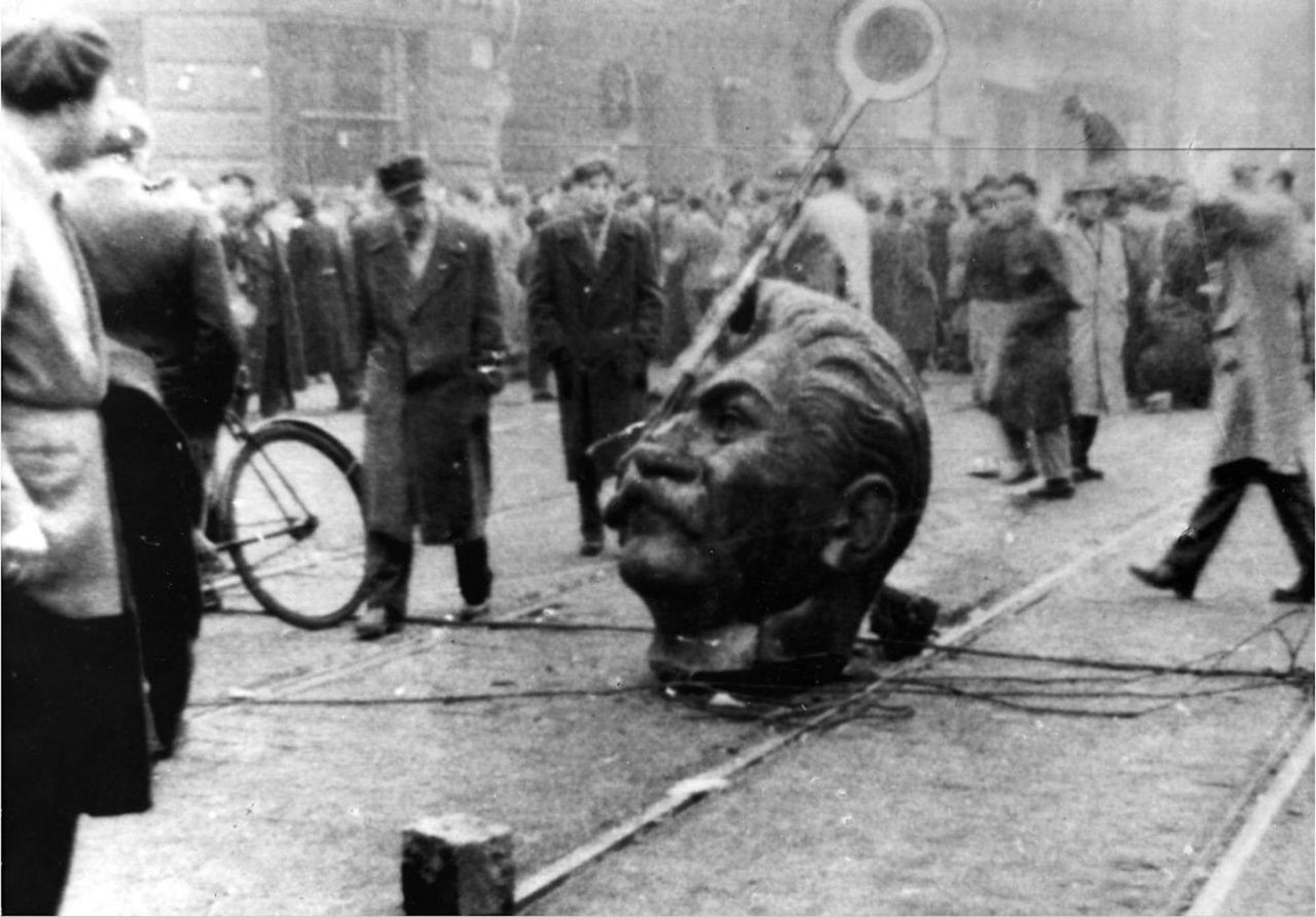
Despite its setting, “Lázár” has been particularly popular in Germany. Some believe this to be a result of the historical content of the story, which begins before the First World War and ends during the height of Stalinism, all of which is relatable to Germany because of the geographical and ideological proximity. This setting is just as instrumental to the telling of “Lázár” as any character.
The novel begins in a seemingly eternal manor enclosed by a dark wood on the day of Lajos von Lázár’s birth. Here begins the end of a dynasty, the crumbling of which occurs in front of the backdrop of one of the most tumultuous times in modern history. The novel, a generational saga, follows Lajos’ parents, Sándor and Mária, from his birth until their deaths. It then tells the story of Lajos and his sister, Ilona and Lajos’ children, Eva and Pista. All three generations of the Lázárs span only 272 fast-passing pages, and still, Biedermann manages for the novel to feel well-paced and gives adequate time to each character.
Lajos is a small, translucent-skinned and watery-eyed blond boy, parallel to Lichtenstein’s aforementioned poet. He too finds solace in writing, and Biedermann writes from the heart about this passion. “‘Love’ was actually the wrong word,” he narrates, “for he did not write out of love, but out of a compulsion that felt totally natural ... best compared to that of having to breathe.” Also like Lichtenstein, Biedermann embraces many of the tenets of the expressionist movement (for which Lichtenstein was famously instrumental): vivid use of color and emotion prioritized above objectivity and rawness. “Lázár” feels akin to looking at a huge expressionist mural from a hundred years ago; it’s hard to believe it is a fairly short novel that was only published this year.
Lichestein and the expressionist movement are far from being Biedermann’s only inspirations. “Lázár” also follows in the footsteps of Thomas Mann and Joseph Roth. It has the magical realism of Gabriel García Márquez, the simultaneously modern and historical voice of Maggie O’Farrell and the gothic, Victorian styles of the Brontë sisters. He also pays tribute to W.B. Yeats when he describes the turmoil of the First World War as a falling apart in which “the centre could not hold,” a line taken almost verbatim from Yeats’ “The Second Coming.”
The novel is so rich with history, so ripe with appreciation for its artistic forebears and so devastatingly honest that it feels as though Biedermann is acting as a mouthpiece for truths much older and more tragic than he could possibly know given his age. He writes of war and “the whisperings [that were] spreading across the globe like wildfire, telling of a conflict that would produce more heroes than the Trojan War,” of death, and the way “the body slipped from the world of the living into that of the dead” and of philosophical experiences and the “thought ... that this small world outside the window was still there when she was not looking at it” all with grace and tact.
The only small quibbles I have with the novel concern how much I enjoyed the first half and felt that the second half lost some of these strengths, though perhaps this was purposeful. Overall, it is a raw story delivered with beautiful prose that is both original and ancient. The only proper way to verbalize how reading this book felt would be to extract some of Biedermann’s writing: “when he was finally able to disengage from the pattern, it felt as if a part of him were still down there.” And in the same way, readers leave a part of themselves behind with “Lázár.”



