On Sept. 8, students are hosting a speak-out in response to the recent changes that have been made to the Tufts University Prison Initiative, including the suspension of the MyTERN re-entry program and change in directors. The event will be hosted at 10 a.m. on the Academic Quad and will include speeches from organizers, as well as any attendees who would like to share what the program means to them.
Joseph Auner, interim provost and senior vice president, sent an email in early August informing students and faculty that MyTERN would be suspended for the 2026-27 academic year. This suspension comes after a Cambridge shooting in May involving a former MyTERN student.
The university later published an update explaining that Melanie McFarlane, TUPIT's deputy director, would be taking over for founder and Executive Director Hilary Binda and that applications for the bachelor’s degree pathway would be paused indefinitely. Faculty also received an email outlining these changes.
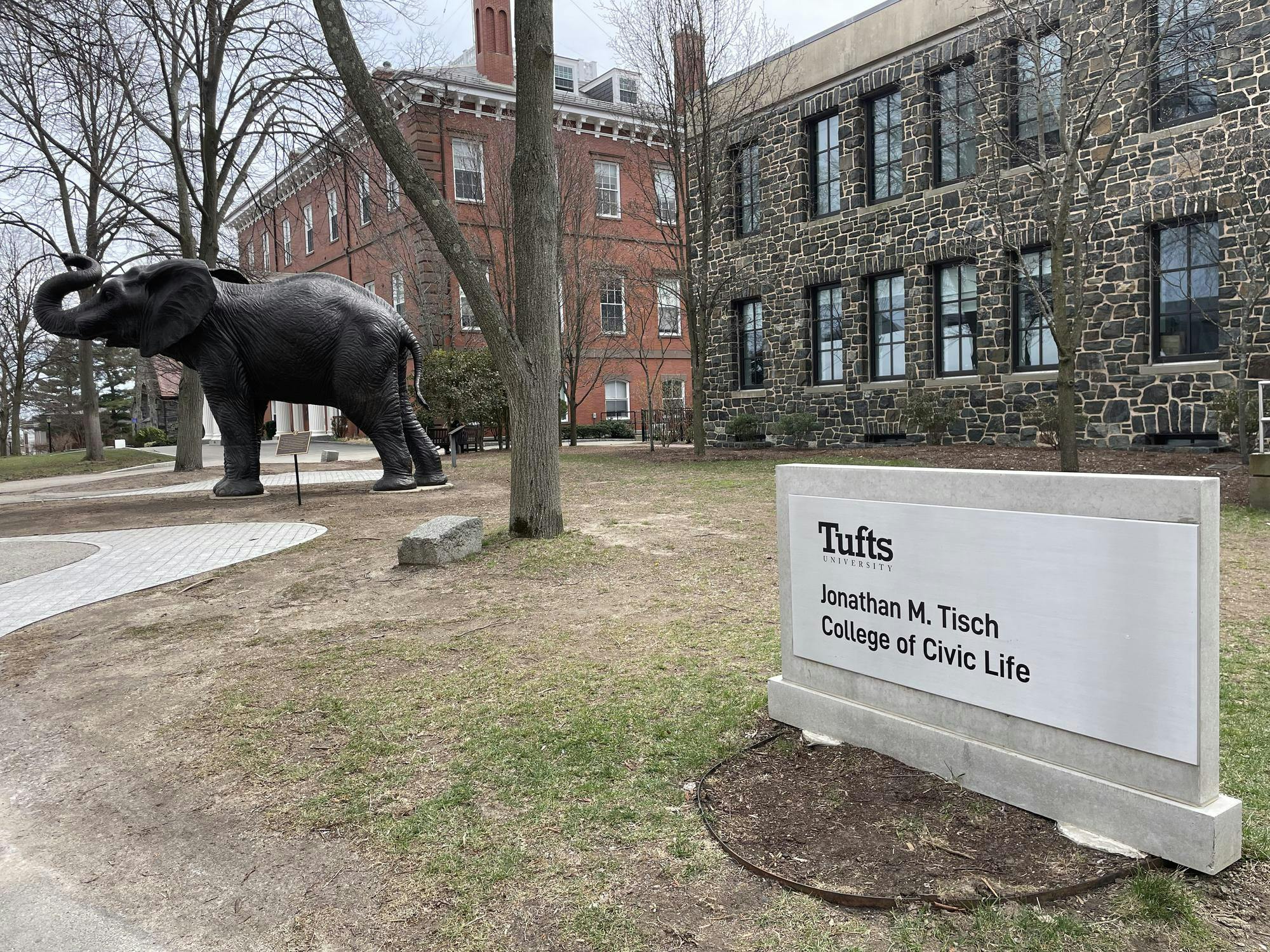
Assuming his role on July 1, Auner, who is also an Austin Fletcher professor of music, convened a working group to evaluate the structure and future of TUPIT. The group consists of faculty and staff from the School of Arts and Sciences, Jonathan M. Tisch College of Civic Life and the provost’s office.
The main grievance that has been expressed by students and faculty who have been involved in the program is their lack of representation within the working group.
Simrin Mehra, a senior who has been involved in TUPIT as a MyTERN student, teaching assistant and student assistant since her sophomore fall, explained where some of the grievances stem from.
“There are huge changes being made to this program, and no one’s communicating it, no one’s explaining it, no one’s asking for our opinion,” Mehra said. “Decisions are being made by people who know absolutely nothing about the program, or have never had any kind of serious involvement or understanding of it.”
Professor Andrew West, who has worked across three prison institutions with TUPIT and teaches in the chemistry department at Tufts, shared his thoughts about a group of students who had been anticipating applying for the B.A. program offered through TUPIT.
“[The pausing] hurts my heart because I got to know those guys, and they were so excited to apply to the Tufts bachelor’s degree, and they were so excited to be actual Tufts students,” West said.
Mehra also explained that once students complete the associate’s degree program, they have to apply to the Tufts bachelor’s program. With applications for the B.A. program now paused, students who have already completed the A.A. program will not be able to advance.
“So what that means is that there are students inside the prison who have been taking Tufts classes for two years, are supposed to continue this year, and were supposed to apply and start their B.A.s… and that’s just been suspended, and they’re just left completely in limbo,” Mehra said.
Faculty and students have also shared concerns over how these changes will impact individuals currently enrolled in the program. Professor Heather Nathans, who has six years of experience in various roles at TUPIT and teaches in the Theatre, Dance, and Performance department at Tufts, expressed the consequences in a statement to the Daily.
“For our incarcerated students and returning citizens, pausing our programs means the potential loss of a sustaining community,” Nathans wrote. “It also means losing the chance to transcend limitations imposed on them earlier in their lives.”
Shayla Dutta, a junior involved in MyTERN, emphasized the program’s value in social and emotional rehabilitation.
“So much of the work that the program does is taking people … who had been told to believe that they were worthless, who had been convinced that incarceration was the only path forward and who had never existed in a situation where they had been supported or uplifted, and breaking down those walls and building this community of trust,” she said. “[To take that away], it’s a serious change. It’s a serious betrayal.”
Senior Norah Higgins, who has been involved with TUPIT since her first year, is among several Tufts students who will be sharing at the speak-out. She expressed that transparency and greater involvement in TUPIT’s decision-making processes are ideal outcomes for the event.
“We want to include students and community members in decisions about TUPIT’s future, in providing clear explanations for the decisions being made,” Higgins said.
Despite its unclear future, faculty and students continue to advocate for the value of the program.
“TUPIT and MyTERN embody [diversity, equity, inclusivity and justice] and spotlight Tufts at its best — precisely because it is not easy[sic],” Nathans shared. “Yet, despite all the challenges, under the leadership of Professor Hilary Binda, Tufts has built a nationally-recognized program in prison education through a passionate commitment to putting those stated values into practice.”