Eight years after adapting Haruki Murakami’s “Barn Burning” into the spellbinding “Burning” (2018), novelist-turned-filmmaker Lee Chang-dong returns with “Possible Love” (2026), a Steinbeckian tale of Korean class disparity that is rich — at times overwhelmingly so — in visual and thematic detail. It carries a dedication to Krzysztof Kieślowski and Krzysztof Piesiewicz’s “Dekalog: Ten,” and an opening message that inspired Kieślowski and Piesiewicz’s 1989 film: “Thou shalt not covet.” Naturally both films are interested in wealth, but Cheng-dong displays absence here just as clearly as abundance, and the script shines when these forces are forced to not only collide, but coexist.
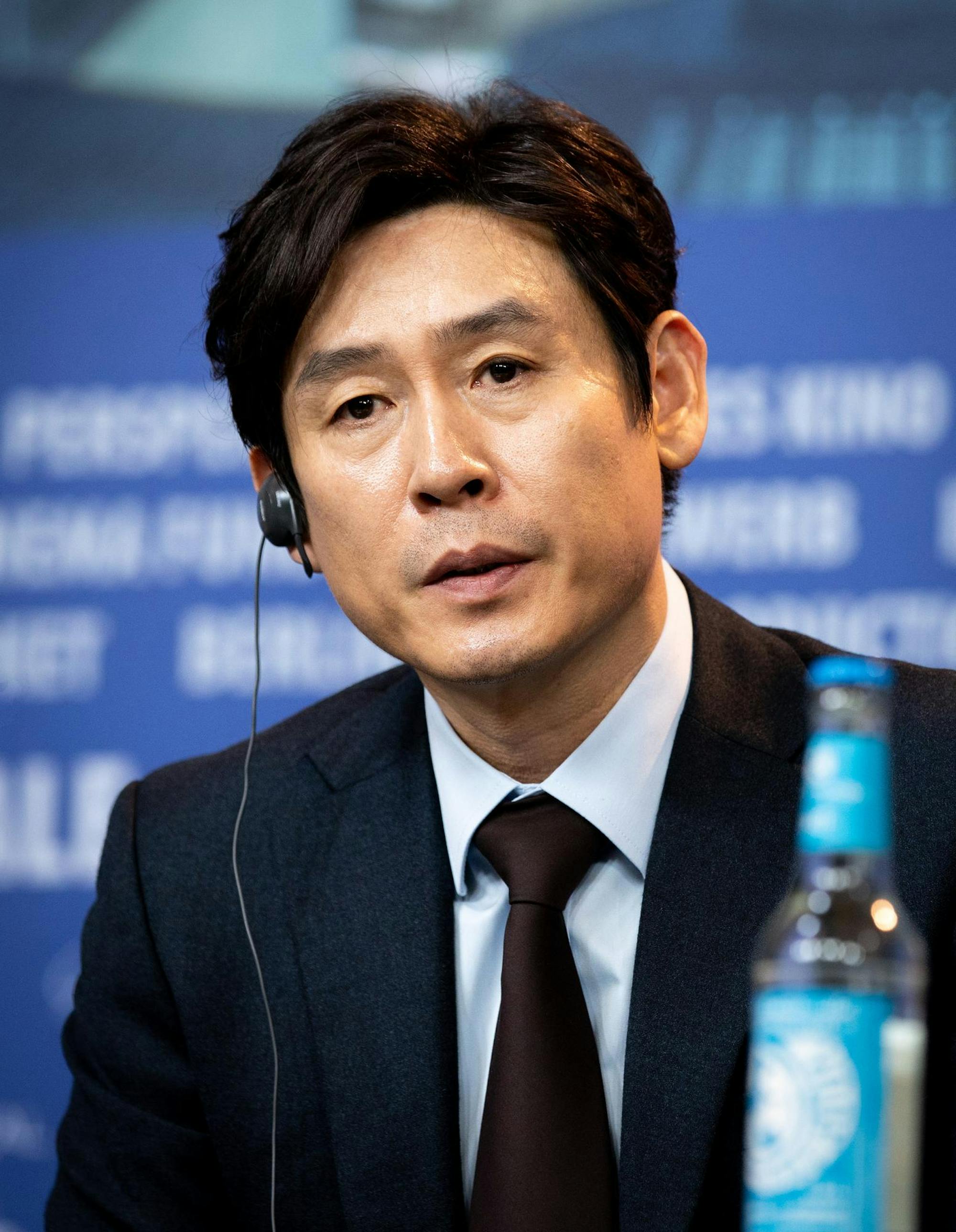
Though the funeral that opens the film is far from the brutal implied suicide of Cheng-dong’s 1999 film “Peppermint Candy” or the loss that scaffolds his 2007 film “Secret Sunshine,” it reflects a career-long habit of using death to explore the psychology of the living. Fittingly, the director employs the stars of those two efforts to embody one of the two couples central to this study, with “Peppermint Candy” leading man Sul Kyung-gu as laid-off factory worker Choi Ho-seok, and Jeon Do-yeon (“Secret Sunshine”) turning in another jawdropper as his weary yet even-keeled wife Ahn Mi-ok.
Though they haven’t yet met their more affluent counterparts, it’s clear from their unease in donning formalwear that Ho-seok and Mi-ok are on the side of the have-nots, with Mi-ok noting at one point that she’s worn sneakers for so long that dress shoes make her feet hurt. But none of this seems to matter much to their wide-eyed son Cheol (Jeong Seop), who is first introduced by letting a potato chip bag fly out of the backseat window and noting that “it’s flying” as he watches it flutter to the ground — one of many symbols of freedom that will be presented throughout.
The funeral is for one of Ho-seok’s former “brothers” from the production line. The fired workers call themselves “the dead” — with “the living” reserved for those kept on after the company’s sale to foreign private equity — but this man, the film seems to say, has made the label literal. Well-dressed independent documentarian Ye-ji (Cho Yeo-jeong, in a role that would fit well double-billed with her work in Bong Joon Ho’s 2019 “Parasite”) is perhaps unaware of her obtrusiveness in this situation, and mutterings among the attendees soon bring to light that she is getting footage for an upcoming project. Still, she goes relatively unnoticed until Ho-seok, disobeying his wife’s rule that forbids him from drinking away from home after a history of soju-fueled altercations, decides to make a point of her presence. A flustered Mi-ok flees to the parking lot to smoke, and when her wedding ring unsubtly slips from her thinning finger, it is only with the aid of the headlights of a white Porsche operated by Sang-woo (Zo In-sung) that she is able to retrieve it.
Using her documentarian’s eye for a good story — and maybe a touch of narrative convenience — Ye-ji takes an interest in Ho-seok’s stoic, almost tortured demeanor. But Ho-seok is a tough nut to crack, so she decides to form a bond with Mi-ok first.
Our cast throughout is perpetually in flux, and Chang-dong is careful to shed light on their emotional insecurities to accentuate how false the lines that divide them may be. Ye-ji takes offense when Sang-woo describes her newfound friendship with her as “method acting” but nonetheless makes clear that she is aware of the power dynamics at play.
More plot follows and more of Ho-seok’s shocking past naturally comes to light in a film that feels like a ticking time bomb from the opening credits until a loud, climactic scene. But amid all that conflict, the symbols of transcendence that have run through Chang-dong’s work for nearly three decades (fruit in “Poetry,” fire in “Burning”) will return too. The narrative’s tension gains its weight from visual clues such as water glittering as it sprays in the sun and the moon in its quietude, and these motifs do well to strike a balance between cinematic magnificence and symbolic weight.
A contemporary bard of the highest order, Chang-dong is able to turn the 10th Commandment into something more like a question: “Covet what?” It’s no spoiler to say that no one leaves this tale satisfied, but the characters grow more aware of the vacancies in their lives, both material and emotional. Viewers should, and likely will, take note of the same fissures in their own lives.