Whether it was those participating in Tufts’ annual Garba Night to celebrate the end of Navratri — a nine-day Hindu festival — or students breaking fast after Yom Kippur, last week was their first time celebrating away from home for many new members of the Tufts community. This can seem daunting at first, but celebrating with friends can make the holidays just as special.
“It is definitely a challenge, especially for students who have never been away from home … trying to figure out what the holiday means for them,” Katie Hamelburg, a senior educator at Tufts Hillel, said.
At Tufts Hillel, traditions blend with modern campus life, and they promote that there is something for everyone. On Yom Kippur, Hamelburg encourages students participating in the fast to come to the Hillel Center and play board games together to pass the time until sundown.
“During Yom Kippur, we’ll have something called Hungry, Hungry Jumbos, like the board game Hungry, Hungry Hippos,” Hamelburg said. “[Students who] want a space to be in community and be with other people will come and they’ll sit and play board games in our space for many hours throughout the day.”
Students can also get involved in leading services, with Tufts Hillel offering opportunities for them to lead prayers as well as organize supplemental programming such as a community walk along Mystic River. The aim of these programs is to cultivate a welcoming and meaningful environment for participants. For many celebrating Rosh Hashanah or Yom Kippur away from their families for the first time, that sense of community matters more than ever.
“We just want to make it a fun space [where] people feel like they’re seen … and that they have a community around them — that’s our whole point,” Hamelburg said. “Holidays are supposed to be fun and special.”
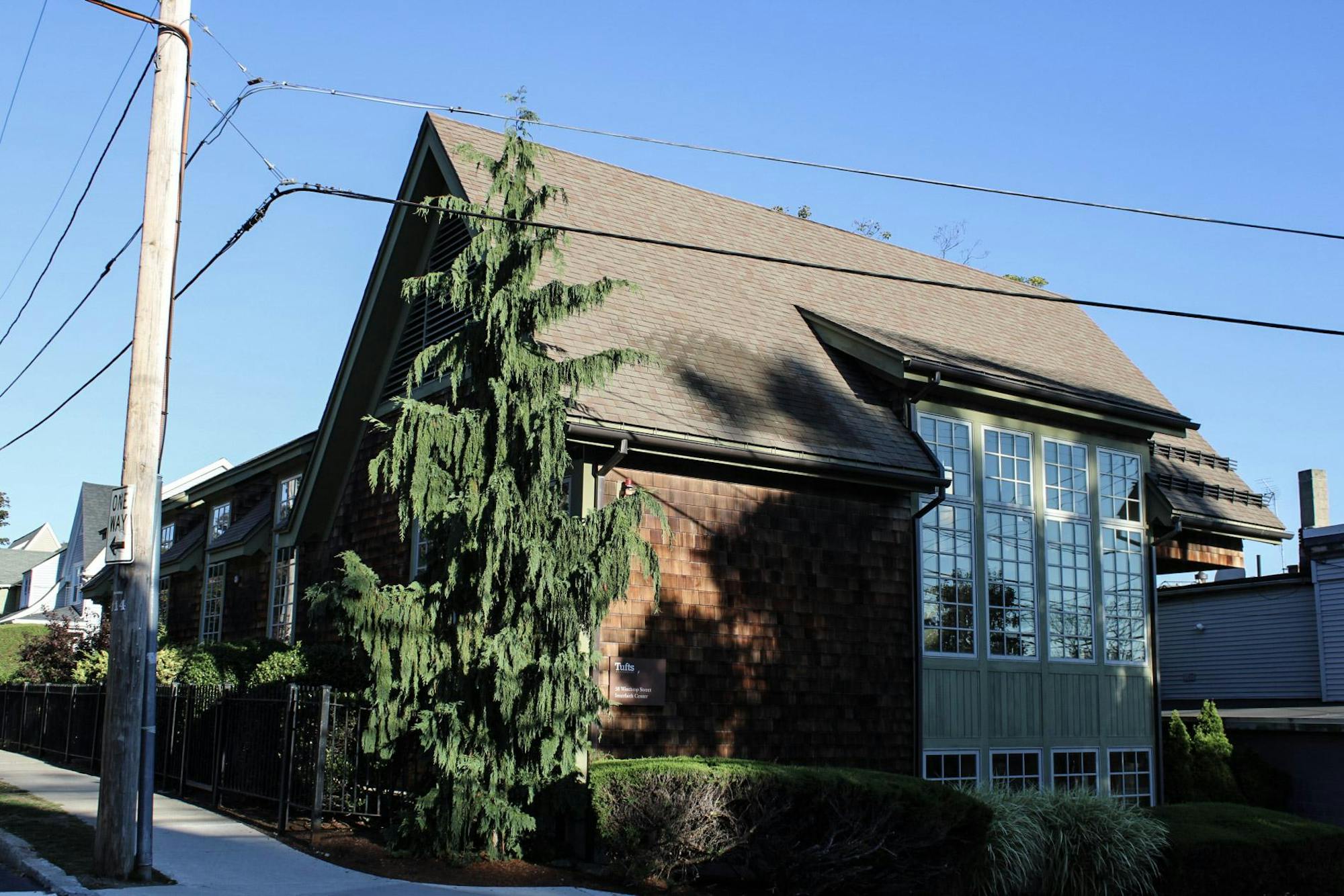
The Hillel Center itself is open to everyone on campus, regardless of religious affiliation, and has services for all different branches of Judaism.
“Our job is to support [students],” Rabbi Naftali Brawer, the Neubauer executive director and university Jewish Chaplain, said.
For Tufts’ South Asian students, Garba — a traditional Gujarati dance performed during the Hindu festival of Navratri — is another way the Tufts community comes alive during the holiday season. On Oct. 4, Garba Night — hosted by the Hindu Student Association, the Tufts Association of South Asians and Tufts JumboRaas — was a roaring success, with students showing up in brightly-colored kurtas and lehengas to dance the night away.
With so many students involved in the organization of the event, each bringing their unique backgrounds to the table, members of these three student groups were able to explore things that they have never done before, making the holiday extra special.
“I have never experienced some of these events until I came to Tufts,” Mahika Pai-Mazar, a member of TASA, said.
At Tufts, particularly through TSA and HSA, South Asian students are able to both celebrate their own holidays and create new traditions, integrating them into campus life and sharing them with the wider community.
“When [Pai-Mazar] joined TASA, we didn’t have an event for [the Hindu god] Ayyappa, which she told us about. We had never heard of Ayyappa before, so we started a full new event,” Vihaan Desai, another TASA member, said.
Tufts has strengthened cultural ties when it comes to celebrating holidays due to the breadth of community here. This means that being away from home does not entail missing out on your home’s traditions.
“My experience as a South Asian is far more pronounced being away from home than it was when I was actually a student [there],” Pai-Mazar said.
It is especially meaningful for students where this is their first time celebrating the holidays away from home. Tufts plays a key role in helping students bring their traditions to life, offering both support and resources to make celebrations meaningful while also encouraging students to go out and have fun. However, it is ultimately up to the students to take charge and create the community that they want to see on campus.
“Tufts gives you funding and can give you space and the opportunity,” Desai said. “[But] it falls down to the individual members on how you want to make the experience a memorable one for everybody.”
While students of course still miss their families during the holiday seasons, these religious and cultural organizations can serve as homes-away-from-home.
“I think it’s a lot about taking the traditions that you’ve learned from home and then reimagining it at a new place,” Pai-Mazar said.
“As you go throughout the year … you make your friends your family,” Desai said.