
Though it may seem like mindless entertainment, spy fiction isn’t just about gadgets, secret codes or daring escapades. Rather, it’s a mirror for the world’s biggest fears. From 19th century diplomacy to today’s espionage, the genre has evolved alongside global conflicts, shifting power dynamics and the anxieties that shadow them. Every twist, betrayal and covert mission reveals something deeper — what societies dread, how they interpret danger and how they try to grasp control over the uncontrollable. In many ways, the evolution of the espionage thriller is a record of our collective fears written in ink and, now, on the big screen.
The first real surge of spy fiction emerged in the years around World War I, but its roots stretch back to Britain’s prewar anxieties about German expansion. At the turn of the 20th century, invasion novels like Erskine Childers’ “The Riddle of the Sands” — a story that follows a British yachtsman and a friend discovering a German invasional plot — reflected and intensified a public fear. It fed worries that Germany was rising and Britain was losing its edge. By the time war began, readers had already been primed for spy novels by hundreds of tales of secret plots and covert operatives.
Out of this climate came the early spy thriller: stories built on real intelligence work — codebreaking, undercover missions and cross-border paranoia — that turned geopolitical chaos into something narratively contained. They offered a world where danger could be named, tracked and sometimes defeated, at least in fiction, making the era’s escalating fears feel strangely graspable.
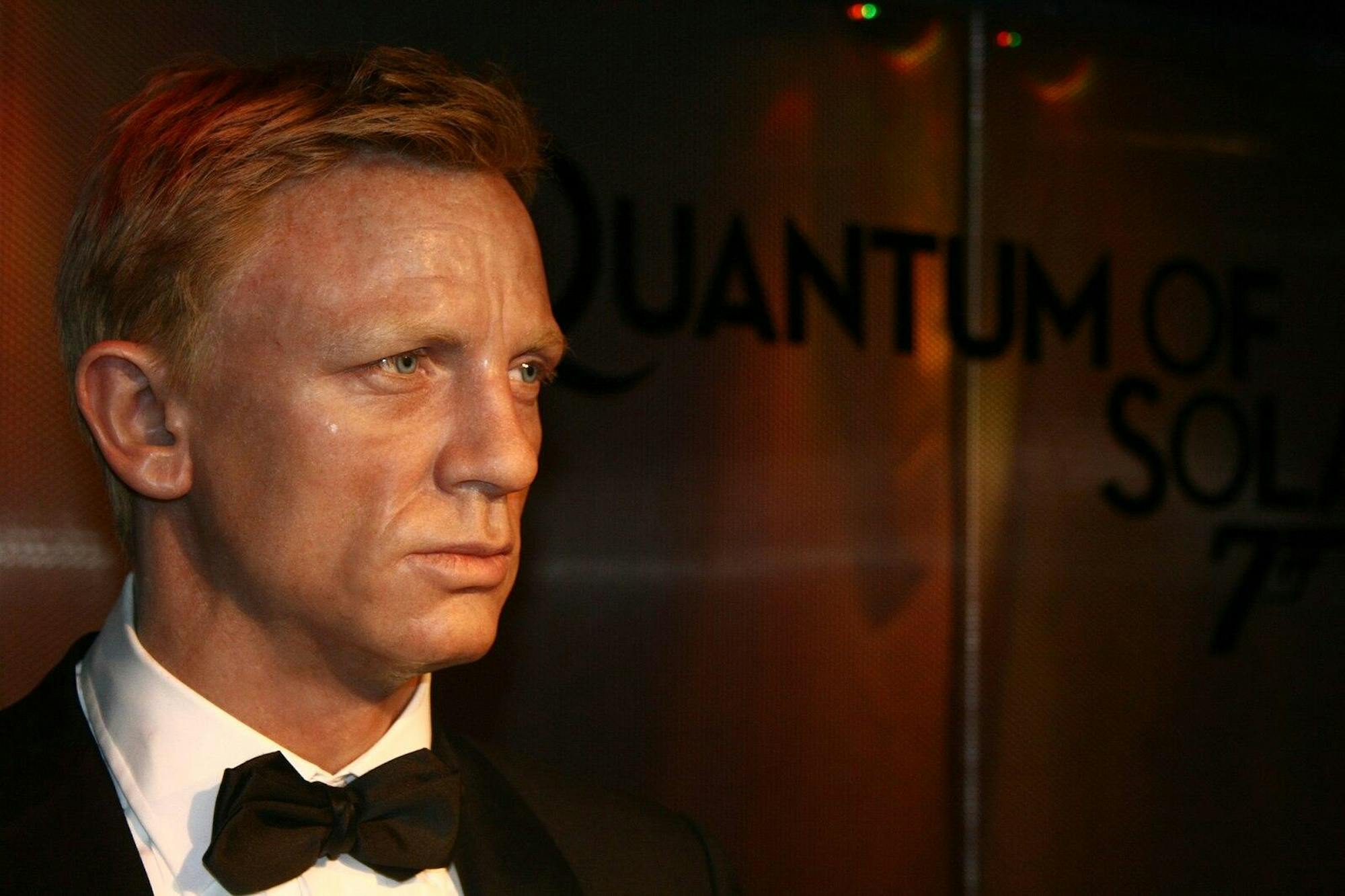
By the mid 20th century, the spy novel had split into two distinct strands, both shaped by the trauma and paranoia of the Cold War. One was the glamour and adrenaline of Ian Fleming’s “James Bond” — a fantasy of British power, post-war swagger and the belief that a single, hyper-competent, alpha male hero could protect the free world with his charm, gadgets and unshakable confidence. Bond was theatrical, seductive and, ultimately, reassuring. The world might have been dangerous, but spy stories made it seem manageable.
The other strand of story couldn’t have been more different. Writers like John le Carré captured the moral fog of real intelligence work: stagnant offices, bureaucratic infighting and operatives who paid for loyalty with parts of their souls. Le Carré reframed espionage as something far grayer — a grinding bureaucracy where there are no true winners and everyone loses something. The Cold War thriller became a study in ambiguity, sacrifice and the emotional toll of intelligence work.
Spy fiction thrived when there was a clear enemy. It surged during World War I, when Germany loomed large, and peaked during the Cold War, when the Soviet Union was the definitive threat. The stability — and the stasis — of the Cold War gave the genre room to flourish. But once the Cold War ended, spy fiction stalled. Without an obvious adversary, the genre struggled to answer a basic question: Who exactly were spies spying on now?
That period of uncertainty lasted until Sept. 11, when the Global War on Terror reshaped not just geopolitics but also the narrative logic of espionage fiction. The traditional framework gave way to stories centered on counterterrorism, digital surveillance and the United States’ deeply entangled military presence in the Middle East. Shows like “Homeland” (2011–2020) became emblematic of the new era, portraying intelligence work as a constant, high-stakes scramble against threats that were harder to locate, predict and understand.
Where does the spy thriller stand now? Even if we’re not seeing a new le Carré-level, genre-defining literary figure, the genre is far from dead. Now, it is arguably thriving most in film and television, which is understandable given the expansion of visual media over the last few decades.
Two of the genre’s biggest recent successes — “The Night Agent” (2023–) and “Slow Horses” (2022–) — show how contemporary spy fiction has turned sharply inward. “The Night Agent” taps into fears of domestic corruption, centering conspiracies and the unsettling possibility that the real threat isn’t lurking overseas, but embedded inside the White House Situation Room itself.
“Slow Horses,” meanwhile, is a portrait of bureaucratic dysfunction. It strips espionage of any lingering glamor, depicting intelligence work as a grind of office politics, institutional negligence and emotional fallout. Its operatives aren’t battling foreign masterminds so much as the incompetence and indifference of their own agency.
Modern spy stories feel anxious because the world feels anxious. And maybe to understand the state of things, we only need to pay attention to the art and media we consume. Espionage thrillers end up serving as both a mirror and a lens: They show us what we fear, and they let us imagine how we might survive when the threats feel too big or too tangled to parse in real life.



