Skip to Content, Navigation, or Footer.

Opinion

The Setonian
Viewpoint

Investors must consider risks when investing in cryptocurrency

From celebrities appearing in cryptocurrency commercials to the repetitive, self-proclaimed investing gurus on TikTok, cryptocurrency has grounded itself in social media and pop culture. However, its swift growth on the internet has exposed many of the dangers of the business. While investing money is smart, and a new realm like cryptocurrency is encouraging for people looking to make money, the lack of understanding that most people have of cryptocurrency is frightening. Cardify, a market research platform, conducted various studies on the state of cryptocurrency in recent years and found thatover 83% of investors reported having only a moderate to low understanding of what they were investing in. As people are bombarded with information about cryptocurrency online, many feel pressure to get involved without any knowledge of the business, for fear of missing out. This trend of rash decision making, especially with something as volatile as cryptocurrency, has the potential to lead to significant loss. 


The Setonian
Guest

Op-ed: Endowments blossomed. Will they seed fairer admissions?

Two years ago, Johns Hopkins University announced that they had quietly phased out legacy preferences in admissions decisions, beginning in 2014. Their logic was simple: Legacy preferences, admission advantages given to families of alumni, were limiting their ability to admit talented students from diverse backgrounds. Since then, news outlets have denounced legacy admissions, activists have mounted aggressive campaigns and states have passed legislation discouraging or prohibiting their use. Despite these efforts, many universities, including Tufts, have been loath to end such policies. Their principal reasoning for upholding the status quo stems from their conviction that legacy admissions result in increased donations from alumni. 


The Setonian
Viewpoint

"Rules for thee but not for me": The role of leaders in containing COVID-19

n Jan. 19, British Prime Minister, Boris Johnson, announced that many of the more stringent measures Britain had taken to curb the spread of COVID-19 early on in the pandemic would officially end on Jan. 26. Since the end of January, those in Britain are no longer required to wear masks indoors or show NHS COVID Passes to enter public venues, and the government no longer advises people to work remotely. Additionally, the government announced that they intend to end the legal requirement for those who test positive for COVID-19 to self-isolate. The current regulations are set to expire on March 24, after which they will not be renewed. Along with this announcement, Johnson continued to encourage British citizens, among whom 65% of eligible people are fully vaccinated and boosted, to practice cautious behavior like handwashing and ventilating rooms, and he urged those who remain unvaccinated to step forward and receive their vaccines.


The Setonian
Guest

Op-ed: TCA's New Year’s resolutions on carbon neutrality, fossil fuel divestment

The start of a new year offers space for reflection on the past year and airing of hopes for the coming year. In September, Harvard announced that it would stop investing in fossil fuels and wind down its existing investments in them. At the same time, BU announced that it would divest from fossil fuels. The COP26 summit of October and November further emphasized the urgency of the climate crisis. In December, Boston Mayor Michelle Wu signed an ordinance requiring the City of Boston to divest from fossil fuel industries by the end of 2025. Also in December, Tufts’ Chief Investment Officer Craig W. Smith presented the Fossil Fuel Divestment and Tufts Endowment Webinar as part of the Path to Carbon Neutrality Webinar Series, organized by the Tufts Office of Sustainability. 


The Setonian
Column

Countering China: Chinese doomographics

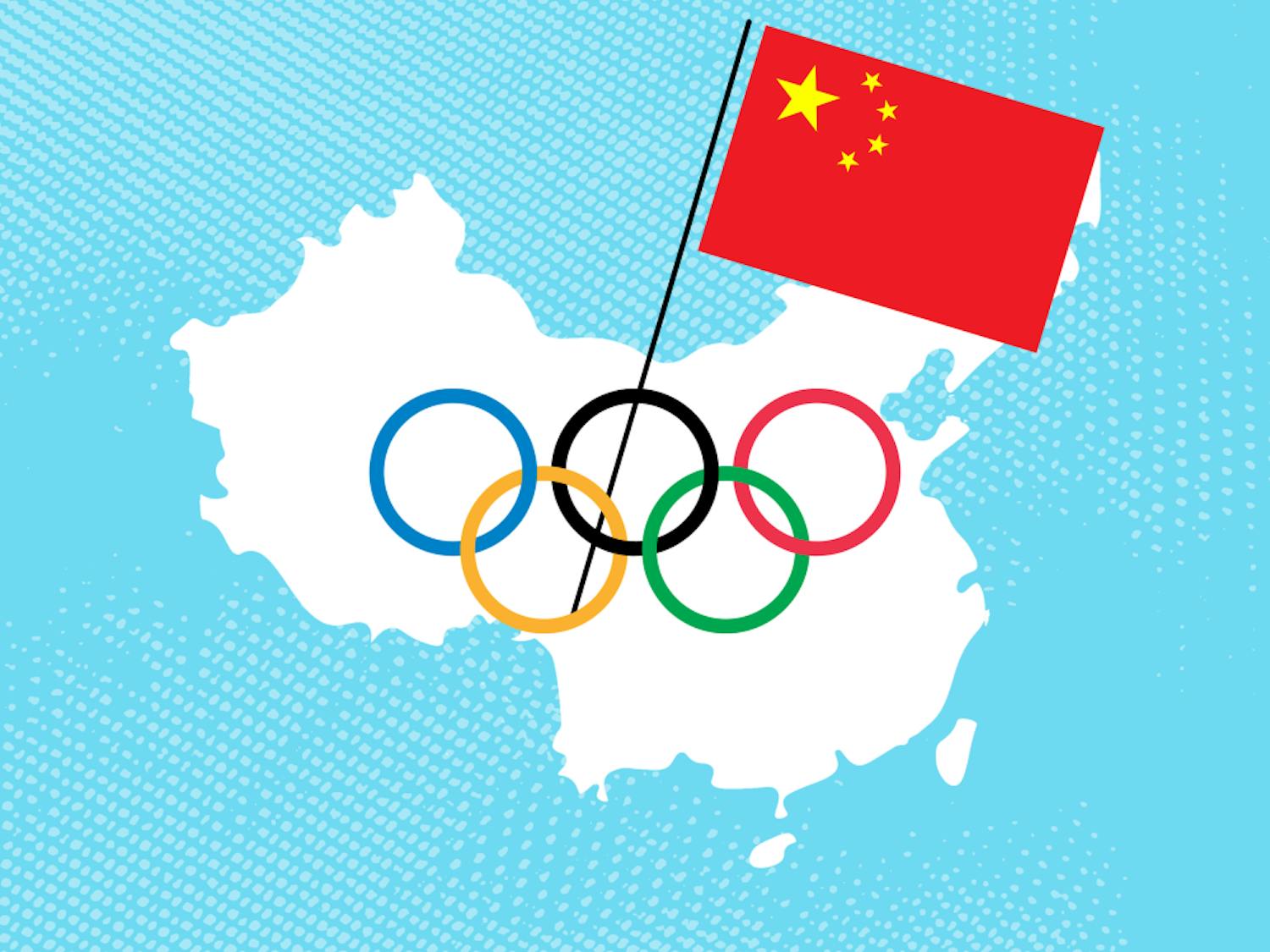
To the rest of the world, China may seem like a strong nation, but in reality, domestic insecurity drives a large portion of its posturing abroad. Specifically, and as outlined by Tufts’ own Professor Michael Beckley, Chinese demographics and resource scarcity make it so that if China does not capitalize on potential gains from aggression overseas now, its economy would suffer greatly, and it would no longer have the capacity to realize some long-term strategic goals.


The Setonian
Guest

Op-ed: The world’s ‘dumbest environmental problem’ (and how to combat it)

One of the most enigmatic and troublesome failures of our modern socioeconomic system lies within our impractical food network. Food waste has been dubbed “the world’s dumbest environmental problem,” and for good reason. While 40% of the food supply in America goes to waste, over 38 million people in the United States experience food insecurity. Globally, 1.3 billion tons of food go to waste every year, which accounts for about a third of total food produced. When we talk about hunger in our country and in our world, it’s clear that these problems don’t arise from a deficiency in food production systems. So what is the cause of these harrowing statistics?


The Setonian
Viewpoint

Ukraine: What will it take for the West to react?

The fall and dismantling of the Soviet Union humiliated the newly created Russian Federation and left it in grave economic trouble. The countries that emerged from this process chose diverging paths when it came to relations with Russia. 11 of the 15 ex-USSR countries joined the Commonwealth of Independent States (CIS), essentially vowing to collaborate and align with Russian politics. Most importantly for Russia, this union was a political successor to the Cold War-era collective defense treaty known as the Warsaw Pact. The ex-superpower hoped this would prevent its young neighbors from joining NATO and bringing American weaponry to their doorstep. 


The Setonian
Column

Countering China: Collision Course for the 21st Century (Chinese Revanchism and Revisionism)

China, under the rule of Xi Jinping, is the nation that represents the greatest threat to the international status quo that has existed since the end of the Cold War. Although there are areas where cooperation between China and the United States may be both desirable and highly necessary, like dealing with climate change, such instances are far and few between. Instead, the seemingly inevitable collision of the two powers is sure to determine the fate of the 21st century.


The Setonian
Guest

Letter from the Editor in Chief: Welcome back to the hill

Hi, everyone! My name is Alex Janoff, and I am the Editor in Chief of The Tufts Daily for this upcoming spring semester. As the Tufts community returns to campus over the course of the next week or so, I — personally — have started to make that oh-so difficult but necessary mental switch from the winter break lifestyle to thinking about classes, readings, exams and assignments. As I prepare for this upcoming semester, I would like to use this space to both introduce myself and also share some thoughts I have for this spring semester regarding the Daily’s production.


The Setonian
Viewpoint

Tufts students and university officials must support facilities staff and dining workers

Dining workers and custodial staff keep our campus running, supporting students, educators and administrators alike. Without them, we would not be able to function as an educational institution. Amidst the height of the COVID-19 pandemic, during which operations were expanded and immense uncertainty loomed over our campus, they continued to work tirelessly, risking their own health in the process. Tufts custodial and dining staff are integral members of our community and we must do more to support them.


Image-from-iOS-7
Editorial

Editorial: Installing a crosswalk by the Joyce Cummings Center is vital to student safety 

Already buzzing with conversation and collaboration, the Joyce Cummings Center opened to students two weeks ago today and has seen an influx of students, faculty and staff traveling to and from the new$90 million academic building. But with heavy Green Line Extension construction and no easy-access crosswalks in sight, students have been forced to navigate busy streets and illegally jaywalk over College Avenue in order to access the building. 


unpaid-internships
Viewpoint

Nepotism and networks: Inequity in internship access for students

For undergraduate students, the process of applying to internships can be a daunting one, further complicated by the advantages and networks that only some have access to. Depending on the industry, the timelines for submitting an application can vary greatly, with some summer internships in fields like finance starting as early as the fall.Staying on top of these recruitment and application deadlines is important if you want to stand out among the numerous other applicants. However, those with the right connections are often the ones who can navigate the process most easily, successfully taking hold of the many internship opportunities.


The Setonian
Guest

Op-ed: Mentors matter

Enhanced knowledge. An impressive resume. A high paying job. All these things come up time and time again when talking about what someone gets out of a college degree. But what about mentors? Taking advice from someone with more knowledge and experience than you may seem terrifying for many college students. But for some, finding teachers who serve as mentors are the single most valuable aspect of an undergraduate degree. According to aGallup study, students who had professors that inspired and motivated them to achieve their goals were more likely to thrive.


VirgilAbloh-01
Viewpoint

True glory: Remembering Virgil Abloh

“Being displayed in museums and staying in the streets: that is true glory,”  Sophie Fontanel wrote on Giorgio Armani. I would argue this quote suits Virgil Abloh as much, if not more — a man who grew to become one of the most popular designers on Earth. Virgil Abloh, the artistic director of Louis Vuitton, founder of Off-White and a unique force in the fashion industry, passed away last week at the young age of 41, victim to a cancer he had been privately fighting. While Abloh was a master of social media, gaining success as he publicized his brand on various platforms, he was able to protect his private life, highlighting the resilience with which he soldiered on while facing such a ruthless disease. Just as impressive was his versatility in his work. Indeed, the Illinois native never restricted himself to the medium of clothing. Far from it.


Untitled_Artwork
Viewpoint

It was only a matter of time: What we must keep in mind with the omicron variant

It was only a matter of time before researchers discovered another mutation of COVID-19. On Nov. 26, the World Health Organization reported omicron as a “variant of concern,” triggering the adoption of travel bans by various governments and a wave of panic that has begun affecting populations around the world. Still, many questions remain regarding what makes this variant different, making much of the panic we see, fueled by rumors and misinformation, unproductive. 


Op-ed submissions are an integral part of our connection with you, our readers. As such, we would like to clarify our guidelines for submitting op-eds and what you can expect from the process.

Read More
The Tufts Daily Crossword with an image of a crossword puzzle
The Print Edition
Tufts Daily front page