Skip to Content, Navigation, or Footer.

Hande Naz Kavas


think.jpg
Science

Accessible, low-cost biomedical innovations at Tufts’ research lab

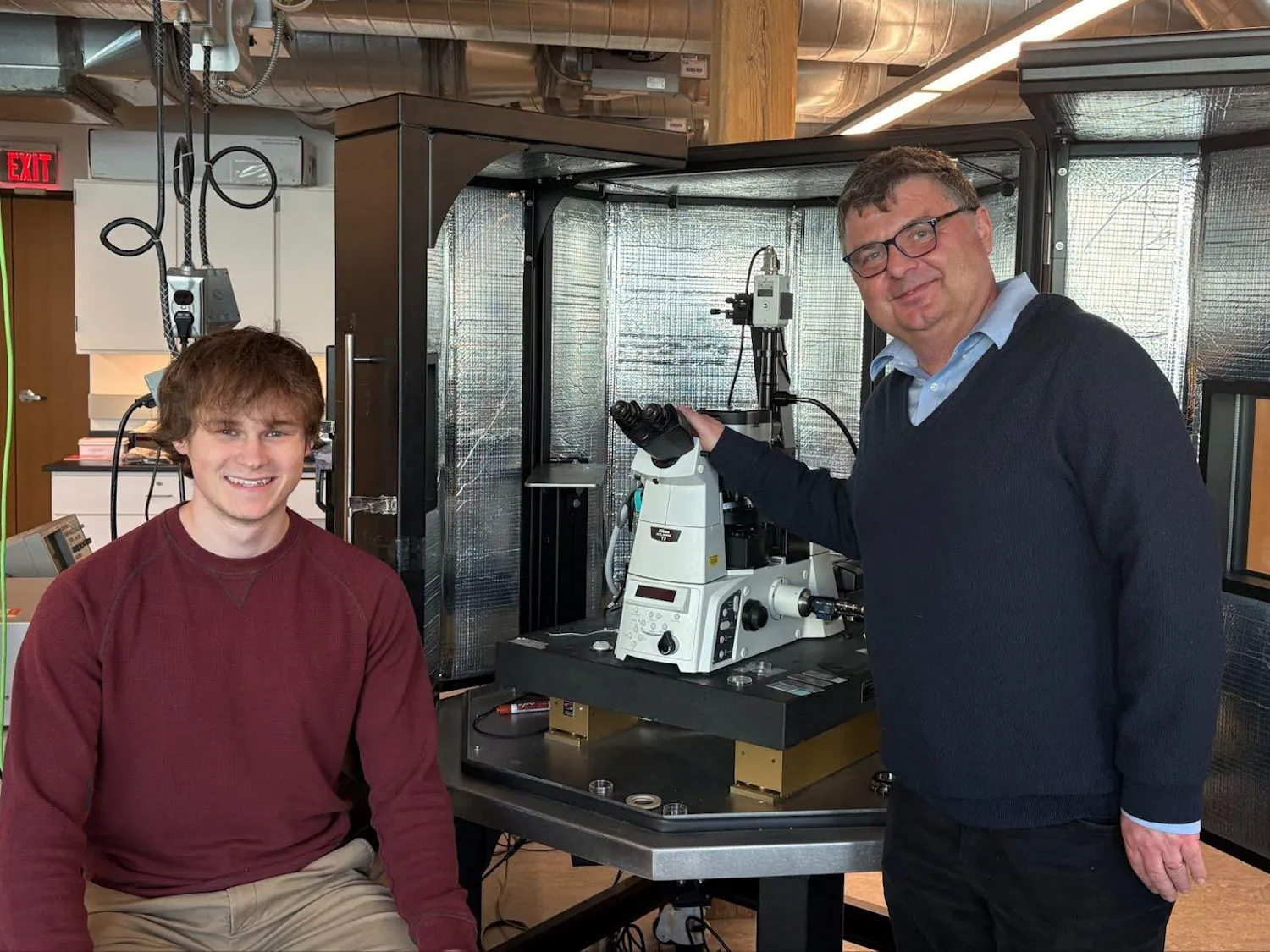
From ingestible pills that track gut health to smart bandages that can autonomously provide required treatment to wounds, Tufts University’s Sonkusale Research Lab has been engineering impactful patents with feasibility principles. The lab differs from ordinary research centers because of the high value it places on the feasibility and accessibility of its solutions. The lab’s mission is to build innovations that users can afford and reproduce without expensive materials. In my interview with Sameer Sonkusale, we discussed how their lab facilitates interdisciplinary collaboration and maximizes the accessibility of their innovations, as well as some of their current projects.

image.png
Science

Keeping inner thoughts ‘private’

Last month, a spark was ignited within the scientific community as a team of researchers demonstrated a scientific method for decoding one’s inner thoughts. The team implanted microelectrode arrays in the brain tissues of four BrainGate2 patients who lost their ability to speak due to amyotrophic lateral sclerosis. Each patient was then asked to perform various tasks, including responding to spontaneous questions, counting shapes and reading sentences, while the researchers collected electrical data from their brains to analyze their thoughts. This electrical data was then used to mechanically build an alternative communication channel.

More articles »